What is Ebb and Flow Hydroponics?
Hey there, fellow garden tech enthusiasts! I’m excited to dive into one of the most fascinating hydroponic systems out there – ebb and flow hydroponics. If you’re curious about this innovative, water-cycling method, you’re in the right place. Today, I’m sharing everything I’ve learned from years of hands-on experience with hydroponics, along with personal tips and advice to help you get started.
Introduction
As someone who’s been passionate about garden technology for years, I’ve seen firsthand how traditional gardening evolves with innovative techniques like hydroponics. In recent years, ebb and flow hydroponics has become a standout system for many growers because of its efficiency and adaptability. In this article, I’ll explain the ins and outs of this method, share personal anecdotes, and offer advice on how to make your own ebb and flow system work like a charm.
Understanding Ebb and Flow Hydroponics
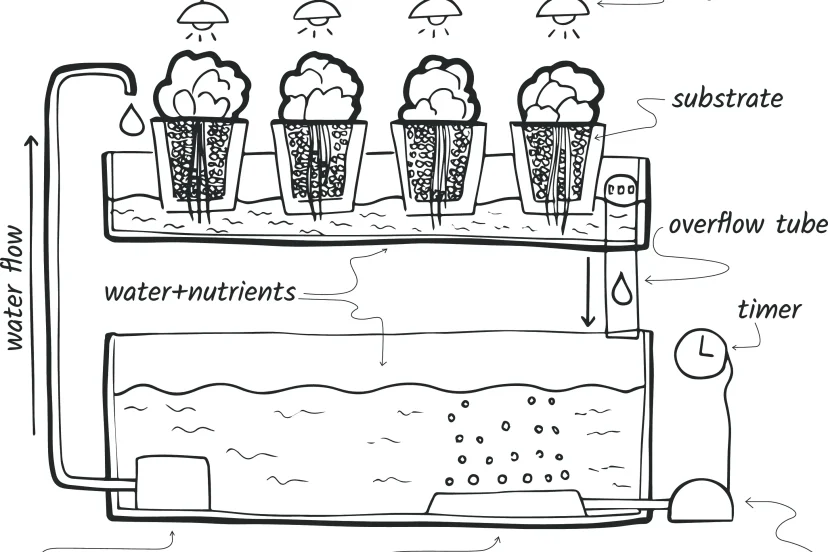
Ebb and flow, also known as flood and drain, is a type of hydroponic system where plants are periodically flooded with nutrient-rich water before being drained back into a reservoir. This cycle mimics the natural rise and fall of water in nature, ensuring that plants get the moisture and nutrients they need while also allowing their roots to breathe. Let’s break this down further.
Basic Concept
At its core, the ebb and flow system operates on a simple yet effective cycle. Imagine your plants getting a refreshing drink of nutrient water that floods their roots and then a moment to catch their breath as the water recedes. This dynamic process not only delivers essential nutrients but also provides oxygen to the roots, leading to healthier and faster-growing plants. It’s like giving your plants a spa day, over and over again!
Key Components
For any ebb and flow system to work, you need a few key components that work together seamlessly. Here’s a quick rundown:
– Growing Tray: This is where your plants are situated. It holds the growing medium and supports the roots during the flood cycle.
– Reservoir Tank: Acting as the system’s heart, it stores the nutrient solution until it’s pumped back to your growing tray.
– Pump and Timer: These are the brains behind the operation. The pump circulates the nutrient solution while the timer controls the flood and drain cycles.
– Growing Medium: Typically, inert substances like clay pellets, rockwool, or perlite provide support and a structure for the roots.
Growing Tray
The growing tray is more than just a container; it’s the stage where your plants perform. The tray holds the medium and allows the nutrient solution to reach every part of the root system. Choosing the right tray with proper drainage and size can significantly impact your system’s efficiency.
Reservoir Tank
The reservoir tank is where the magic begins and ends. It’s responsible for storing the water and nutrients that your plants rely on. A well-sized reservoir ensures that the system maintains stable water levels and provides ample time for nutrients to circulate. In my experience, investing in a good-quality tank pays off in the long run.
Timer/Pump
The pump and timer are the unsung heroes of your ebb and flow setup. They work in tandem to flood your growing tray at regular intervals and then drain it efficiently. With the right settings, you can create a harmonious cycle that balances water, nutrients, and oxygen. I always recommend experimenting with different cycle durations until you find what works best for your particular plants.
Advantages of Ebb and Flow Hydroponics
One of the reasons I fell in love with ebb and flow systems is their numerous benefits. Let’s explore why this method might be the perfect fit for your gardening goals.
Water Efficiency
Ebb and flow systems are champions when it comes to water conservation. Because the water is recirculated from the reservoir, you end up using far less water than traditional soil-based gardening. It’s an eco-friendly choice that also helps reduce your water bills—a win-win for both you and the environment.
Nutrient Distribution
The cyclic nature of the ebb and flow method ensures that nutrients are distributed evenly throughout the growing medium. During the flood cycle, the nutrient solution saturates the roots, and when the water drains, it leaves behind the nutrients. This efficient system means your plants get a consistent supply of nourishment, leading to robust growth and higher yields.
Versatility and Space-Saving
Whether you’re working with a small balcony or a spacious greenhouse, the ebb and flow system can be tailored to your space. Its modular design means you can easily scale up or down based on your needs. Additionally, because the system doesn’t rely on soil, it’s perfect for urban settings where traditional gardening might be limited by space.
Setting Up Your Own Ebb and Flow System
Now, let’s get practical. Setting up an ebb and flow system might sound complex, but trust me, with the right guidance, it’s entirely achievable—even for beginners. Here’s my step-by-step approach to creating a successful system at home.
Choosing the Right Equipment
Before you start, make sure you have all the necessary equipment. I always suggest researching quality components that suit your budget and space. Look for durable growing trays, a reliable reservoir tank, a pump with adjustable flow rates, and a timer that can be programmed easily. It’s like assembling the perfect team for your garden’s success!
Step-by-Step Setup Guide
1. Plan Your Layout: Sketch a design of your setup, ensuring that your reservoir, growing tray, and pump placement allow for efficient water flow.
2. Assemble Your Components: Set up your growing tray over the reservoir and connect the pump and timer.
3. Fill with Nutrient Solution: Mix water with the appropriate nutrients based on the plants you plan to grow.
4. Test the Cycle: Run the pump and timer to see how well your system floods and drains. Make adjustments if necessary.
5. Plant and Monitor: Place your plants in the growing tray and keep an eye on the system. Monitor pH, nutrient levels, and water temperature regularly.
Common Plants Grown with Ebb and Flow
One of the most exciting parts of any hydroponic system is choosing what to grow. Ebb and flow systems are incredibly versatile, making them suitable for a wide range of plants. Let’s talk about some of my favorite choices.
Leafy Greens and Herbs
I’ve found that leafy greens like lettuce, spinach, and kale thrive in an ebb and flow system. These plants benefit from the constant, yet gentle, flooding, which delivers nutrients directly to their roots. Herbs such as basil, mint, and parsley also do exceptionally well, and the ease of harvesting them is an added bonus.
Fruiting Plants
While leafy greens are the go-to, many fruiting plants can also prosper in an ebb and flow system—though they might require a bit more attention. Tomatoes, peppers, and even strawberries can flourish when provided with adequate support and the right nutrient balance. If you’re planning to grow fruiting plants, I recommend starting with a small batch and gradually expanding as you become more comfortable with the system.
Ebb and Flow Troubleshooting and Maintenance
Like any gardening method, an ebb and flow system isn’t without its challenges. Over time, you may encounter issues, but don’t worry—most problems have simple fixes. Let’s explore some common issues and how to address them.
Common Issues and Solutions
Sometimes, you might notice that the water isn’t draining properly or that the nutrient levels seem off. Common issues include:
– pH Imbalances: Regularly test your water and adjust with pH up or down solutions.
– Clogged Lines: Ensure that your pump and tubing are free of debris and root systems.
– Nutrient Deficiencies: Replenish nutrients according to your plant’s growth stage.
If you notice these problems, a little troubleshooting can go a long way in restoring your system to peak performance.
Regular Maintenance Tips
Maintaining your ebb and flow system is crucial for long-term success. I always recommend a weekly routine that includes:
- Checking water levels in the reservoir
- Testing and adjusting pH and nutrient levels
- Cleaning the pump and timer system
- Inspecting the growing tray for any signs of wear or blockages
These simple steps ensure that your system remains efficient and your plants stay happy.
Comparing Ebb and Flow to Other Hydroponic Systems
There are several types of hydroponic systems out there, such as Deep Water Culture (DWC), Nutrient Film Technique (NFT), and aeroponics. Each has its pros and cons. In my experience, the ebb and flow system strikes a unique balance between ease of use and efficiency.
Advantages and Disadvantages
Every system has its trade-offs. The advantages of ebb and flow include water efficiency, simplicity in setup, and the versatility to support various plant types. However, some disadvantages include the need for precise timing and the potential for water leakage if components aren’t set up properly. Comparing these systems helps you decide which one aligns best with your gardening goals.
Future Trends in Hydroponics
Hydroponic systems, including ebb and flow, are continuously evolving. With advancements in automation, artificial intelligence, and sensor technology, the future of hydroponics looks incredibly promising. I’m excited to see how emerging tech will make systems even more efficient and user-friendly, opening up new opportunities for both small-scale hobbyists and large commercial growers.
Technology Innovations
Recent innovations include smart sensors that monitor water quality in real-time, AI-driven nutrient management systems, and automated scheduling that adjusts to plant needs. These technologies are not only making hydroponics more accessible but also more sustainable. Imagine a system that alerts you on your phone when the pH drifts out of range or automatically adjusts nutrient levels—this is the future I’m eager to embrace.
Conclusion
In wrapping up, ebb and flow hydroponics is a fantastic method that blends efficiency, versatility, and sustainability. From its simple cycle of flooding and draining to its adaptability for a wide variety of plants, it’s a system that can truly transform your gardening experience. As someone who’s been deeply involved in garden technology for years, I can say with confidence that trying out an ebb and flow system is one of the best decisions you can make if you’re serious about hydroponics. Not only does it offer a practical way to conserve water and maximize nutrients, but it also gives you the freedom to experiment and grow your own food in innovative ways. Give it a try, and you might just discover a whole new world of possibilities in your garden.
Ebb and Flow FAQs
Q1: How often should I run the flood and drain cycle in an ebb and flow system?
A: Generally, a cycle every 15-30 minutes is effective, but you can adjust based on your plants’ needs and environmental conditions.
Q2: Can I use any type of pump for my ebb and flow system?
A: It’s best to use a pump specifically designed for hydroponics, ensuring it has adjustable flow rates and a reliable timer function.
Q3: What types of plants are best suited for an ebb and flow hydroponic system?
A: Leafy greens, herbs, and even some fruiting plants thrive in these systems. Experiment with your favorites and see what works best in your setup.
Q4: Is maintenance complicated in an ebb and flow system?
A: With a little routine care—like regular water tests, cleaning, and equipment checks—maintenance is quite manageable.
Q5: How do I troubleshoot common issues like pH imbalances or clogged pumps?
A: Keep a testing kit handy for pH levels, regularly inspect and clean your pump, and adjust nutrient levels as necessary to keep your system running smoothly. Having a spare pump on hand is probably a good idea to ensure you’re able to switch out one for the other for cleaning and maintenance or in the event of a pump failure.