The Future of Hydroponic Plants in Sustainable Agriculture

Have you ever thought about how we can grow food more efficiently without relying on traditional soil? This concept might seem futuristic, but hydroponics is already changing the landscape of agriculture. As you read, you’ll discover the intriguing ways hydroponic plants are shaping sustainable farming and what this means for our future.
Understanding Hydroponics
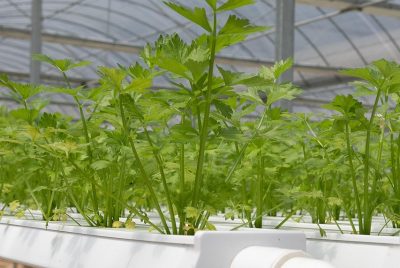
Hydroponics refers to growing plants in a nutrient-rich water solution rather than in soil. This method has been gaining traction as a means to cultivate crops in a more controlled environment, allowing for year-round growth and significantly less resource waste.
The Basics of Hydroponic Systems
Hydroponic systems come in various forms, each designed to optimize plant growth.
| System Type | Description |
|---|---|
| Nutrient Film Technique (NFT) | A thin film of nutrient solution flows over the roots of the plants. |
| Deep Water Culture (DWC) | Plants’ roots are submerged in a nutrient-rich solution, ensuring that they receive ample oxygen and nutrients. |
| Ebb and Flow | Timed flooding and draining of the plant roots keeps them hydrated. |
| Drip System | Nutrient solution drips onto the roots, providing them with careful, measured nourishment. |
Each of these systems has its own advantages and disadvantages, making hydroponics highly adaptable to varying environmental and economic conditions.
Advantages of Hydroponic Gardening
Many people choose hydroponics over conventional agriculture for several compelling reasons.
Resource Efficiency
Hydroponics uses significantly less water compared to traditional farming. Because it recycles moisture through the system, hydroponic gardens can use up to 90% less water, making it an excellent option in water-scarce areas.
Space Saving
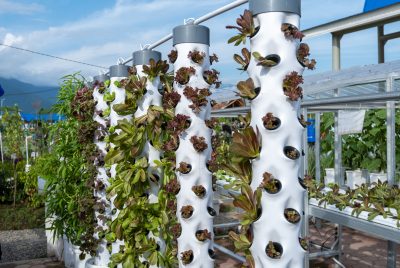
Urban farming is becoming increasingly important as cities grow. Hydroponic systems can fit into small spaces, ensuring that you can grow crops in your backyard or even on your apartment balcony. Vertical farming, a method within hydroponics, maximizes space by stacking plants in layers.
Year-Round Production
With hydroponics, you’re not limited by seasonal changes. You can grow plants indoors, maintaining a controlled environment free from harsh weather. This capability means fresher produce year-round and helps combat food scarcity issues.
Faster Growth Rates
Plants grown hydroponically tend to grow faster than those in traditional soil due to direct access to nutrients and optimized growth conditions. This means you can harvest more often, contributing to food security.
The Role of Hydroponics in Sustainable Agriculture
Sustainable agriculture aims to meet our food needs without compromising the environment. Hydroponics fits perfectly within this vision.
Reduced Chemical Input
In hydroponic systems, the closed-loop nature means chemicals and fertilizers can be more carefully managed, resulting in less runoff and pollution. As a result, you’re promoting healthier ecosystems and reducing your environmental footprint.
Carbon Footprint Reduction
When food is grown closer to where it is consumed, transportation costs and emissions decrease. With hydroponics, urban agriculture can flourish, leading to fresher produce and a lower carbon footprint.
Improved Crop Variety
Hydroponics allows for the cultivation of various crops that wouldn’t typically survive in certain climates. This diversity can increase local food availability and resilience against changing environmental conditions.
Challenges Facing Hydroponic Farming
While hydroponics presents many benefits, it’s not without its hurdles. Understanding these challenges is essential for those considering this method.
Start-Up Costs
Setting up a hydroponic system can be initially expensive, especially for advanced types that require specific technology. However, this investment can pay off in the long run through increased yields and efficient water use.
Technical Knowledge
Hydroponics can involve complex systems that require a certain level of technical understanding. Whether it’s managing nutrient solutions or ensuring adequate light levels, individuals may need to learn new skills to be successful.
Pest and Disease Management
Although hydroponics can reduce some risks associated with soil-borne pests and diseases, it’s essential to maintain vigilance. Pests can still thrive in controlled environments, requiring you to implement strategic pest management practices.
Potential Advancements in Hydroponic Technology
As interest in sustainable agriculture grows, so does the development of new technologies to enhance hydroponic farming.
Automation and Smart Farming
The rise of automation can help streamline the hydroponic growing process, minimizing labor costs while optimizing conditions for plant growth. Smart technologies can monitor nutrient levels, pH, temperature, and lighting, adjusting them in real-time to promote healthier crops.
Advanced Nutrient Solutions
Research is ongoing to develop more effective nutrient solutions that provide the optimal balance of minerals and vitamins, ensuring maximum plant health and growth rates. Custom nutrient blends can cater to specific plants, enhancing yield and flavor.
Renewable Energy Integration
As sustainability becomes essential in agriculture, integrating renewable energy sources—like solar or wind—into hydroponic systems can reduce reliance on fossil fuels, further decreasing the carbon footprint of food production.
Hydroponics and Community Engagement
Hydroponics isn’t just about individual growers; it can play an important role in community food systems.
Educational Opportunities
Schools and community centers can adopt hydroponic systems as educational tools, teaching students about plant biology, sustainability, and nutrition. These programs can foster a new generation of environmentally minded individuals.
Urban Gardens
Encouraging neighborhoods to develop community hydroponic gardens can improve local food security. By growing food together, communities can bond, enhancing social ties while providing fresh produce to those in need.
Food Access Initiatives
Hydroponic systems can address food deserts—areas lacking access to fresh produce. By setting up local farms or greenhouse initiatives, communities can ensure that everyone has access to healthy food options.

The Future of Hydroponic Plants
Understanding the future of hydroponics can help you appreciate the movement toward sustainable agriculture. As technology evolves and public awareness increases, hydroponics can become a cornerstone in our fight against food insecurity and environmental degradation.
Increased Adoption
As more growers realize the benefits, the adoption of hydroponic systems is likely to rise. This shift can lead to significant changes in how we view and participate in agriculture.
Regulatory Support
Governments may begin to recognize the importance of hydroponics by supporting policies that promote its growth. This support could include grants, research funding, or incentives for new ventures in urban farming and hydroponics.
Global Impact
Hydroponics has the potential to transform food systems worldwide, especially in regions prone to drought or conflict. Developing countries can benefit from this technology, enabling them to produce food in challenging environments.
Your Role in the Hydroponics Movement
You can contribute to sustainable agriculture and the future of hydroponics. Here are a few ways you can get involved:
Start Your Own Garden
If you have the means, consider setting up a hydroponic system in your home. It could be as simple as a small indoor unit or a larger setup outdoors. Growing your own food can be empowering and offers you fresher ingredients.
Support Local Hydroponics
When shopping for produce, look for local hydroponic farms. Supporting these businesses helps promote sustainable practices and boosts your community’s economy.
Spread Awareness
Educate those around you about the benefits of hydroponics and sustainable agriculture. By sharing information, you can inspire others to consider this efficient farming method.

Conclusion
The world is on the brink of a significant shift in how we grow food, and hydroponics is paving the way for a sustainable future. As you contemplate the role of hydroponic plants in agriculture, remember the vital link between sustainable practices and food security. By embracing innovation, supporting local initiatives, and learning about hydroponics, you can help shape a more sustainable future for generations to come.