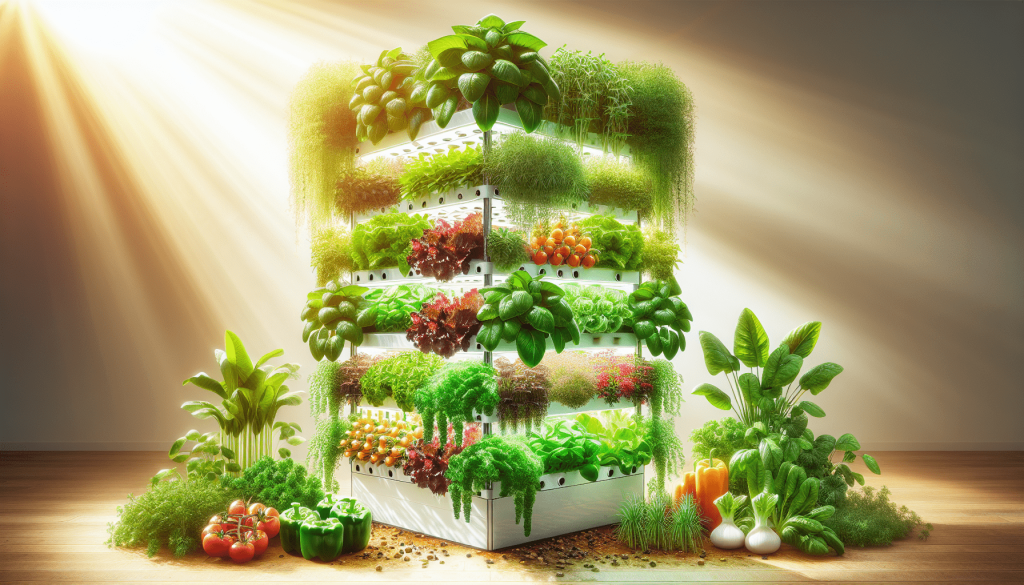
The Future of Food: Exploring Hydroponic Tower Gardens
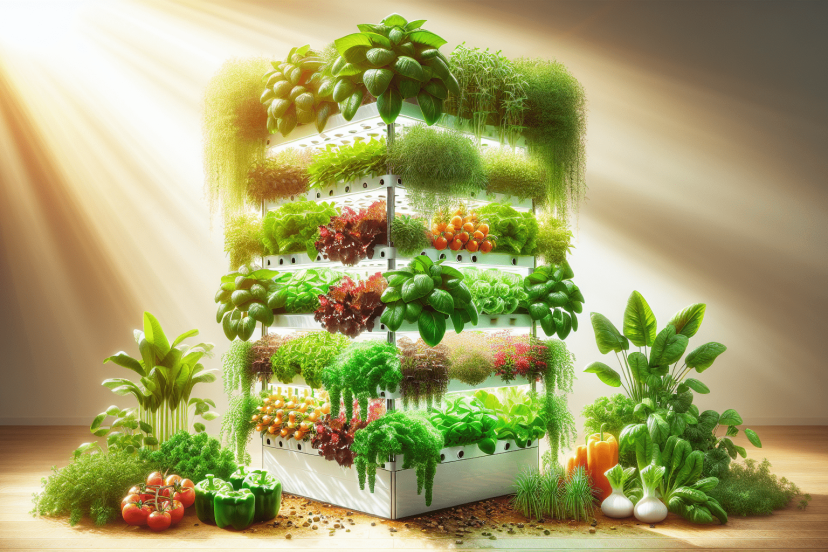
Have you ever considered how our food is grown and how it might change in the future? The way we produce food is evolving rapidly, and hydroponic tower gardens are becoming a significant part of that transformation.
What is Hydroponic Gardening?
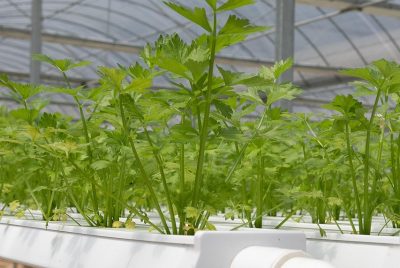
Hydroponic gardening is a method where plants are grown without soil, using nutrient-rich water instead. This innovative approach allows for greater control over the growing environment, leading to faster growth rates and higher yields. You can cultivate various vegetables and herbs efficiently, even in limited spaces like your balcony or kitchen.
Benefits of Hydroponic Gardening
You might wonder why so many people are turning to hydroponics. Here are some compelling reasons:
- Space Efficiency: Hydroponic tower gardens can produce a significant amount of food in a small area, making them perfect for urban environments where land is limited.
- Water Conservation: These systems use up to 90% less water than traditional farming methods due to the closed-loop system, which recycles water effectively.
- Faster Growth: Plants typically grow faster in hydroponic systems because they have direct access to nutrients and oxygen.
- Pesticide-Free Produce: By controlling the growing environment, you can minimize or eliminate the need for harmful pesticides, resulting in healthier produce.
- Year-Round Harvesting: With the right setup, you can grow your favorite plants any time of the year, regardless of outdoor weather conditions.
Types of Hydroponic Systems
There are various hydroponic systems available, each with its own unique benefits. You might find the following systems helpful as you consider which one suits your needs:
| Hydroponic System | Description | Benefits |
|---|---|---|
| Nutrient Film Technique (NFT) | A thin film of nutrient solution flows over the roots of plants. | Efficient use of water and nutrients. |
| Deep Water Culture (DWC) | Plants are suspended in a nutrient solution with their roots submerged. | Simple setup and rapid growth. |
| Ebb and Flow System | The growing area is periodically flooded with nutrient solution and then drained. | Versatile and suitable for a variety of plants. |
| Aeroponics | Roots are suspended in air and misted with nutrient solution. | High oxygen availability leads to faster growth. |
| Wick System | A wick draws nutrient solution from a reservoir to the plant’s roots. | Easy to set up and low maintenance. |
You can choose a system based on your available space, plant preferences, and level of commitment to gardening.
Setting Up Your Hydroponic Tower Garden
Imagine taking your gardening to the next level by growing food indoors or on a balcony! Here’s how you can set up your hydroponic tower garden.
Selecting the Right Location
Before you get started, you need to choose the best location for your tower garden. Ideally, look for:
- A spot with plenty of sunlight or access to grow lights if you’re indoors.
- A stable temperature range, generally between 65°F and 75°F.
- Close proximity to a water source for easy maintenance.
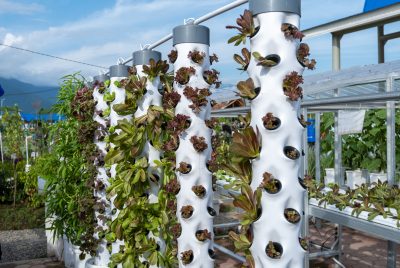
Choosing Your Hydroponic Tower
When choosing your hydroponic tower, consider factors such as height, number of plant slots, and materials. Here are some options you might encounter:
- Plastic Towers: Lightweight and affordable, perfect for beginners.
- Metal Towers: More durable, often with better aesthetics but may be heavier.
- Self-Watering Towers: More advanced options that can reduce maintenance efforts.
What Plants to Grow
You have a wide variety of plants to choose from when it comes to hydroponic gardening. Some popular choices include:
- Lettuce: Fast-growing and easy to start with.
- Herbs: Basil, mint, and cilantro thrive well in hydroponic systems.
- Strawberries: A delightful fruit that can be grown vertically.
- Tomatoes: Varieties like cherry tomatoes do exceptionally well.
Feel free to experiment—hydroponics allows you to grow various plants that typically struggle in traditional gardening setups.
Understanding Nutrient Solutions
Your plants need the right nutrients to thrive, so let’s break down what you need to know about nutrient solutions.
Essential Nutrients for Hydroponics
Hydroponic systems require specific nutrients, which are generally divided into macronutrients and micronutrients.
- Macronutrients: Your plants need higher quantities of nitrogen (N), phosphorus (P), and potassium (K). Calcium, magnesium, and sulfur are also essential.
- Micronutrients: These include iron, manganese, zinc, copper, molybdenum, and boron. They are required in smaller amounts but are critical for plant health.
Commercial vs. Homemade Nutrient Solutions
You can either buy pre-mixed nutrient solutions or make your own. Commercial solutions are readily available and formulated for optimal growth. However, if you’re interested in DIY, you can create your own solution using fertilizers that contain the essential nutrients listed above.
pH Level Management
The pH level of the nutrient solution is critical for nutrient uptake. You’ll want to maintain a pH of around 5.5 to 6.5 for optimal plant growth. Here’s how to manage pH levels:
- Test Regularly: Use a pH meter to monitor your solution.
- Adjust as Needed: If the pH is too high, add pH down (usually phosphoric acid). If it’s too low, use pH up (sodium hydroxide or potassium hydroxide).
- Nutrient Absorption: A balanced pH ensures your plants can absorb nutrients efficiently.
Maintenance and Care for Your Hydroponic Tower Garden
Once your tower garden is set up and planted, regular maintenance is essential for success. Here’s what you should keep in mind.
Regular Monitoring
You’ll want to check your plants regularly for signs of growth or issues. Look for:
- Leaf color: Healthy plants typically have vibrant green leaves.
- Pests: Keep an eye out for any unwanted visitors that could harm your plants.
- Root health: Ensure roots are not rotting and have access to oxygen.
Water and Nutrient Management
You need to maintain proper water levels and nutrient concentrations in your tower:
- Water changes: Change your nutrient solution every two weeks, and refill with fresh nutrient solution.
- Topping off: In between changes, check the water level and top it off if necessary.
Pruning and Harvesting
Prune your plants to encourage healthier growth and air circulation. For leafy greens, you can harvest outer leaves while leaving the inner leaves to continue growing. For fruiting plants like tomatoes, wait until the fruits are ripe before harvesting.
Troubleshooting Common Issues
Every gardener encounters challenges, even when using advanced systems like hydroponics. Here are some common challenges and solutions.
Nutrient Deficiencies
Signs of nutrient deficiencies can manifest in various ways. For example:
- Yellowing leaves: Could indicate a nitrogen deficiency.
- Brown edges: Might suggest a potassium deficiency.
- Stunted growth: Often linked to a lack of available nutrients.
The best approach is to regularly test your nutrient solution and adjust accordingly.
Root Rot
Root rot can occur due to poor drainage or overwatering. To prevent this:
- Maintain proper aeration in the growing medium.
- Regularly inspect roots for any signs of decay.
- Ensure your water levels are adequate without submerging the roots entirely.
Pest Infestation
While hydroponics can reduce pest problems, they aren’t entirely immune. Here are some easy steps to take when pests invade:
- Identify the pest: Common pests include aphids, spider mites, and whiteflies.
- Natural predators: Consider introducing beneficial insects like ladybugs.
- Organic treatments: Use neem oil or insecticidal soap to manage pest populations without chemicals.
The Environmental Benefits of Hydroponic Gardening
As you think about the implications of hydroponic tower gardens, consider the environmental benefits they offer:
Reduced Carbon Footprint
Hydroponic systems often require less transportation, as you can grow food directly in urban settings. This significantly reduces the carbon emissions associated with transporting food from rural farms to urban markets.
Sustainable Practices
Hydroponics promotes more sustainable agricultural practices:
- Less Land Usage: Efficient use of vertical space means less need to clear land for farming.
- No Soil Degradation: Since hydroponics doesn’t use soil, it avoids issues of soil degradation and erosion.
- Water Recycling: Closed-loop systems recycle water, which is essential in areas facing water scarcity.
Increased Food Security
In a world facing challenges such as climate change and food shortages, hydroponic systems can contribute to local food security. By allowing communities to grow their food close to home, we can reduce dependence on external food sources, making our food supply more stable.
The Future of Hydroponics
As technology advances, the future of hydroponic gardening looks exceptionally bright. Here are a few trends that could shape the industry:
Automation and Smart Gardens
You may find that future hydroponic systems increasingly incorporate automation. Smart gardens can monitor nutrient levels, pH, and environmental conditions, providing real-time feedback and adjustments. This becomes particularly advantageous for those new to gardening who may not yet have mastered the intricate details of maintaining a hydroponic system.
Integration with Urban Environments
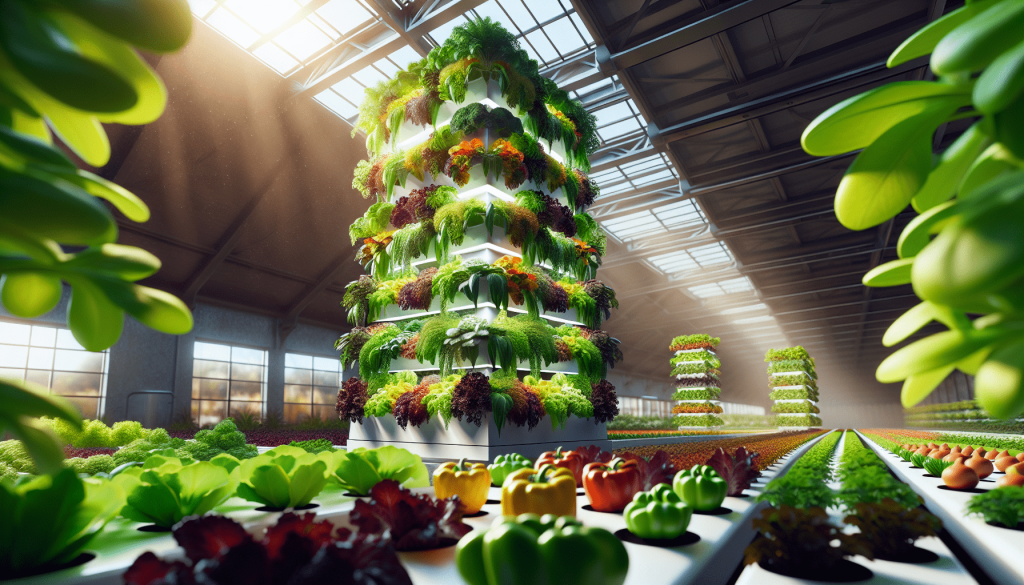
Urban agriculture is on the rise, and hydroponic gardens are a natural fit for city living. You might soon see more community-based hydroponic initiatives sprouting up, providing local produce to neighborhoods and reducing reliance on grocery stores.
Research and Innovation
As interest in hydroponics grows, so does research into more sustainable and efficient practices. Scientists are exploring new plant varieties that thrive in hydroponic conditions, as well as optimizing growing conditions to increase yield and reduce resource use.
Conclusion
You’ve learned about the exciting world of hydroponic tower gardens and how they stand to revolutionize the way we think about food production. These systems offer a sustainable, efficient alternative to traditional gardening and can empower you to grow fresh produce right at home, irrespective of space limitations.
Whether you choose to start a small tower garden on your balcony or join a community initiative nearby, you’re not just growing plants; you’re cultivating a deeper connection to your food and contributing to a more sustainable future. Isn’t that a gratifying thought?