The Future of Aeroponics in Sustainable Agriculture

Have you ever thought about how we can produce food in a way that’s better for the planet? The future of agriculture is evolving, and aeroponics is at the forefront of this change. This innovative growing technique offers an exciting glimpse into sustainable practices that can help feed our growing population while minimizing environmental impact.
What is Aeroponics?
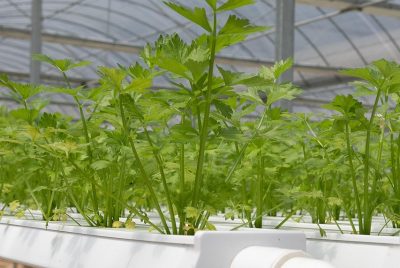
Aeroponics is a method of growing plants using a nutrient-rich mist in a controlled environment. Unlike traditional farming methods, where plants grow in soil, or even hydroponics, where they grow in a nutrient solution, aeroponics suspends the plants in the air, allowing their roots to absorb moisture and nutrients directly from the mist. This technique can lead to faster growth rates and higher yields.
Benefits of Aeroponics
The advantages of aeroponics are numerous, especially when it comes to sustainability. Here are a few key benefits to consider:
Water Efficiency
Aeroponics uses significantly less water than traditional farming. Studies show that this method can use up to 90% less water, making it perfect for regions facing droughts or water scarcity.No Soil Required
Since aeroponics doesn’t rely on soil, you can eliminate soil-borne pests and diseases. This aspect is particularly beneficial as it reduces the need for pesticides and herbicides, promoting healthier plants.Space Saving
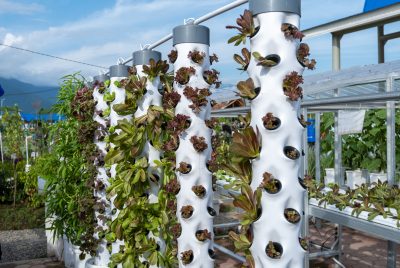
With vertical farming solutions, aeroponics takes advantage of vertical space. This means you can grow more plants in a smaller area, making it suitable for urban environments where space is limited.Faster Growth
The controlled environment and constant nutrient availability can lead to accelerated plant growth. Many crops grow 30-50% faster in aeroponic systems compared to traditional methods.
Challenges Facing Aeroponics
While aeroponics holds immense potential, it isn’t without its challenges. Understanding these can help you appreciate the nuances of implementing this method effectively.
Initial Investment
Setting up an aeroponic system can require significant upfront investment. Equipment such as pumps, timers, and growing chambers comes with costs that may be prohibitive for small-scale growers.Technical Knowledge
Aeroponics requires a certain level of technical knowledge and experience. Maintaining nutrient balance, humidity, and temperature is crucial for plant health, and it can be a steep learning curve for newcomers.System Vulnerability
Ideally suited for controlled environments, aeroponic systems can be vulnerable to system failures. Any malfunction in the pump or energy supply can lead to rapid plant stress or death.
The Role of Technology in Aeroponics
You might wonder how technology intersects with aeroponics to optimize growth. Modern advancements play a significant role in improving efficiency and outcomes in aeroponic systems.
Sensors and Automation
Smart sensors can monitor various environmental factors, such as temperature, humidity, and nutrient levels. By integrating this technology with automation systems, growers can ensure optimal growing conditions tailored to each crop’s needs.
Data Analytics
The use of data analytics in aeroponic systems allows growers to make informed decisions based on real-time information. By analyzing crop performance and environmental data, you can adjust variables to enhance growth rates and yields effectively.
Aeroponics vs. Hydroponics and Soil-Based Farming
In weighing the options for sustainable agriculture, comparing aeroponics to hydroponics and traditional soil-based methods can help clarify its distinct benefits.
| Aspect | Aeroponics | Hydroponics | Soil-Based Farming |
|---|---|---|---|
| Water Usage | ≤ 10% of soil use | ~30% less than soil | 100% natural use |
| Growth Speed | Fastest | Fast | Variable |
| Space Requirement | Space efficient | Requires space | Space-dependent |
| Pest Control | Minimal pests | Moderate | Soil-borne pests |
| Upfront Costs | Higher | Moderate | Lower initial costs |
While soil-based farming has a long-standing history, aeroponics presents unique advantages that could redefine farming in urban and resource-limited contexts.
Aeroponics and Climate Change
The impact of climate change poses significant threats to agricultural systems worldwide. With unpredictable weather patterns, droughts, and resource scarcity, developing resilient food production systems is essential.
Resilience Through Controlled Environments
Aeroponics can help mitigate some challenges posed by climate change. Growing systems can be set up indoors or in greenhouses, where conditions can be closely monitored and adjusted regardless of external climate factors. This adaptability can lead to consistent crop production year-round.
Reducing Carbon Footprint
By growing food closer to urban centers, aeroponics helps reduce the carbon footprint associated with transporting food over long distances. Local production means fresher produce and less reliance on transportation systems that contribute to greenhouse gas emissions.
Integrating Renewable Energy Sources
Utilizing renewable energy sources, such as solar or wind power, in aeroponic systems further enhances sustainability. You can power pumps and sensors without depleting fossil fuels, ultimately leading to a greener agricultural practice.
Case Studies: Successful Aeroponic Projects
Learning from successful examples provides a clearer picture of how aeroponics can be implemented effectively. Here are some notable case studies to inspire and inform you.
Urban Aeroponic Farms
Cities like New York, San Francisco, and Singapore have embraced aeroponic systems to provide fresh produce to urban consumers. These farms often utilize rooftops or vacant lots, demonstrating how you can transform underutilized spaces into food production sites.
Example: AeroFarms, Newark, NJ
AeroFarms operates one of the largest indoor vertical farms in the world, using aeroponic technology to grow leafy greens. This facility produces 2 million pounds of lettuce and greens annually while using 95% less water than traditional farming methods. This success story showcases how aeroponics can thrive in urban settings, offering fresh produce year-round.
School and Community Projects
Aeroponics isn’t just for commercial growers. Schools and community organizations have begun implementing their own systems to promote sustainable practices and STEM education.
Example: The Green Bronx Machine
This initiative integrates aeroponic systems into local schools to engage students in gardening and nutrition education. By growing their own food, students learn about healthy eating and environmental responsibility while taking an active role in sustainable agriculture.
Staying Informed: The Future of Aeroponics
As you consider the future of aeroponics, keeping abreast of ongoing developments in technology, research, and community practices can benefit you greatly.
New Research and Innovations
With universities and research institutions exploring buoyant ecosystems in aeroponics, new techniques and vegetable varieties are continually being developed. Following developments in this field can equip you with the latest knowledge for improving aeroponic practices.
Networking with Aeroponic Enthusiasts
Joining community forums or social media groups centered around aeroponics can help you connect with others who share your interests. You can share tips, troubleshoot problems, and advance your understanding alongside like-minded individuals.

The Future Landscape of Aeroponics in Sustainable Agriculture
Looking ahead, the future of aeroponics in sustainable agriculture is bright. Growth in urban areas, collaboration between researchers and growers, and ever-evolving technology point toward a more sustainable food production system.
Expanding Accessibility
As technology continues to develop, the cost of aeroponic systems could decrease, making it more accessible to small-scale farmers and beginners. Community-supported agriculture (CSA) initiatives could benefit greatly from aeroponic systems, providing diverse produce while engaging local consumers.
Potential for Global Impact
Aeroponics can transform food production in regions facing food insecurity. By deploying these systems in areas with water scarcity or limited arable land, communities can produce nutritious food without depleting resources.
Conclusion: Embracing the Future of Aeroponics
As you contemplate sustainable agricultural practices, remember that aeroponics is more than just a fad. It’s a promising approach that combines technology, resource efficiency, and environmental responsibility.
In our journey to create a sustainable future, embracing aeroponics can be a significant step toward ensuring that we can feed our growing global population in harmony with our planet. By staying informed, engaging with others, and possibly even starting your own aeroponic garden, you can play a role in the evolution of agriculture. Embracing this technology means being part of a movement that values sustainability, innovation, and collaborative efforts for a healthier future.