Strawberry Hydroponics: A Guide to Growing Fresh Berries Indoors
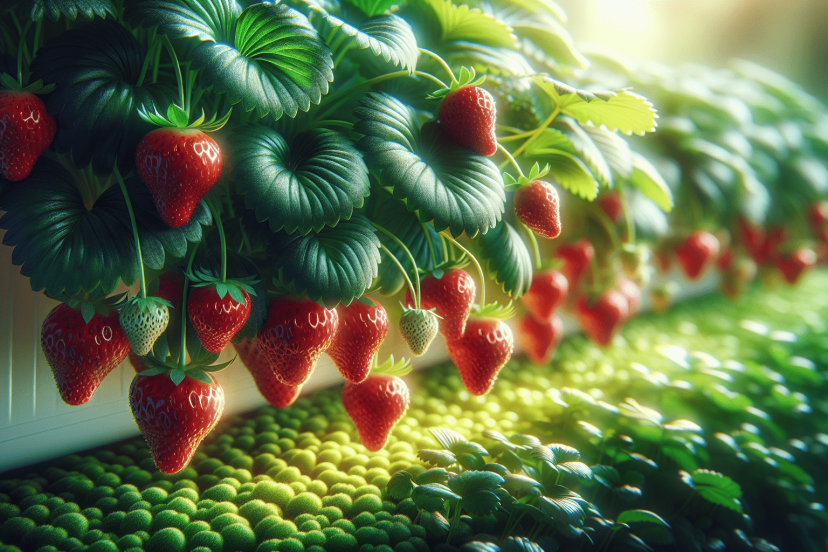
Have you ever thought about bringing the garden indoors? Imagine picking fresh strawberries right from your living room. Strawberry hydroponics offers not only the opportunity to enjoy delicious fruit but also an engaging hobby that can bring life to any indoor space.
Introduction to Strawberry Hydroponics
Strawberry hydroponics is a method of growing strawberries without soil, utilizing nutrient-rich water instead. It can be an incredibly rewarding venture, especially when you consider the convenience of growing your own fresh berries. You get to enjoy tastier strawberries that are free from pesticides and other harmful chemicals.
Why Choose Hydroponics for Strawberries?
With hydroponics, you can control the growing environment more effectively than traditional gardening. This method allows for healthier plants and higher yields. Here are some key benefits to consider:
Space Efficiency
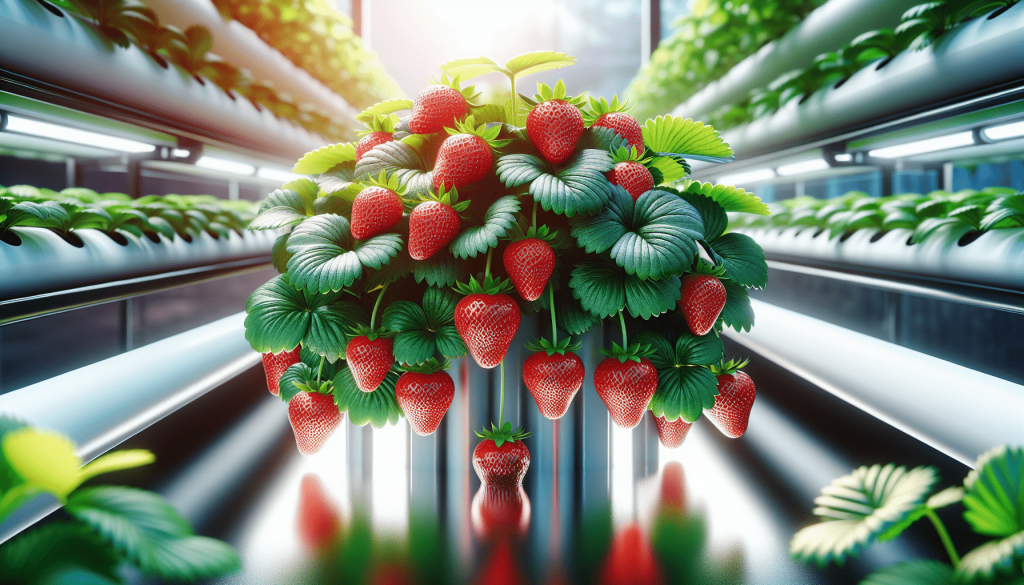
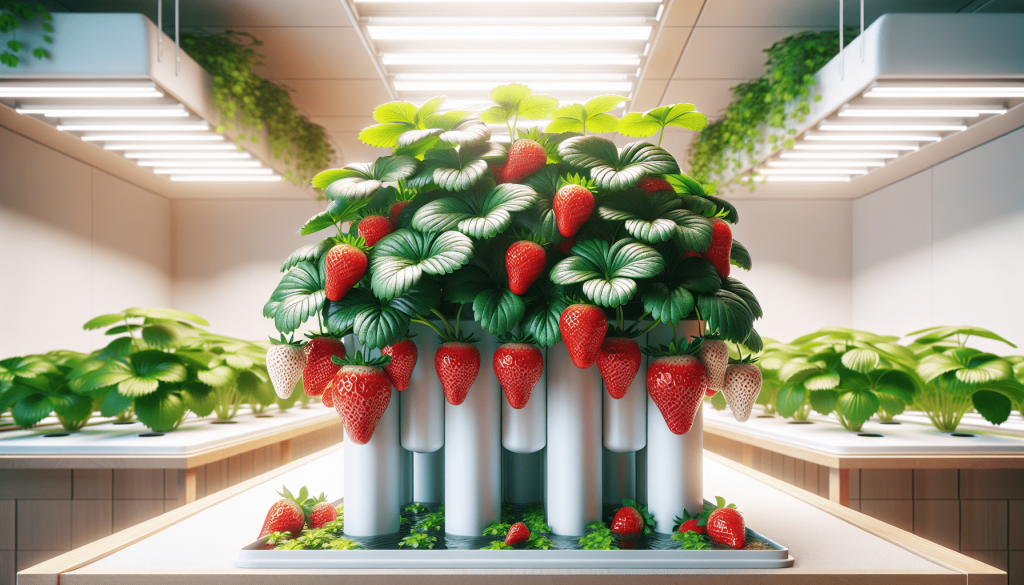
Hydroponic systems can fit in small spaces, making it ideal for apartment dwellers or those with limited outdoor gardening areas. You can grow strawberries in vertical systems or even on shelves, maximizing your available space.
Year-Round Production
By setting up a controlled environment, you can grow strawberries year-round, regardless of the season. This means fresh strawberries in winter, and who doesn’t love that?
Quality Control
Growing your own strawberries allows you to monitor everything from nutrient levels to pest management. This can lead to healthier plants and tastier fruits compared to store-bought strawberries.
Types of Hydroponic Systems for Strawberries
When it comes to hydroponics, several systems work well for strawberries. Choosing the right one is crucial for your setup. Here are the most commonly used systems:
Nutrient Film Technique (NFT)
In this system, a thin film of nutrient solution flows over the roots of the plants. The strawberries are grown in channels, allowing the roots to absorb nutrients while being exposed to oxygen. It’s efficient and works well for strawberries since they prefer a consistent supply of nutrients.
Ebb and Flow (Flood and Drain)
This method periodically floods the plant roots with nutrient solution before draining it away. This alternating cycle ensures that the roots receive enough moisture and nutrients while also getting ample oxygen.
Deep Water Culture (DWC)
In DWC, plants are suspended in a nutrient-rich water solution with an air pump supplying oxygen. This creates a stable and controlled environment for strawberries and can lead to rapid growth.
Essential Supplies for Growing Strawberries Hydroponically
Growing Containers
Strawberries require lightweight containers with adequate drainage. Most hydroponic systems will use net pots or grow bags specifically designed for this purpose. Be sure they are large enough to support the root system as the plants mature.
Nutrient Solution
The nutrient solution is vital in hydroponics. A pre-mixed hydroponic nutrient solution designed for fruiting plants will work best. You will need to monitor the nutrient concentration (often measured in EC or ppm) and adjust accordingly.
pH Meter/Test Kit
Maintaining the correct pH level is essential. Strawberries thrive in a slightly acidic environment, ideally between 5.5 and 6.5. Regular testing ensures your plants remain healthy.
Grow Lights
If you’re growing indoors, your strawberries will need light. LED grow lights are energy-efficient and provide the spectrum necessary for plant growth. Aim for around 12-16 hours of light per day, simulating natural daylight.
Pump and Air Stone (if using DWC)
For Deep Water Culture, you’ll need a pump to circulate the nutrient solution and an air stone to oxygenate the water. This setup encourages healthy root development.
Temperature Control
Strawberries generally prefer temperatures between 60°F and 80°F. Maintaining a stable environment ensures your plants thrive. You might need heating mats or fans depending on your indoor climate.
Selecting the Right Strawberry Varieties
Choosing the right variety of strawberry is key to your success. Not all strawberries are suited for hydroponic systems. Here are a few popular options:
June-Bearing Strawberries
These plants produce fruit all at once, typically in early summer. Varieties like ‘Chandler’ or ‘Honeoye’ are known for their robust flavor and yield.
Ever-Bearing Strawberries
Ever-bearing strawberries produce fruit throughout the growing season, offering multiple harvests. ‘Quinault’ and ‘Albion’ are popular choices for indoor growers.
Day-Neutral Strawberries
These strawberries do not rely on day length for flowering. Varieties like ‘Seascape’ or ‘Tribute’ can produce fruit nearly year-round, making them ideal for hydroponics.
Planting Strawberries in Hydroponics
Seedlings vs. Seeds
You can start strawberries from either seeds or seedlings, but using seedlings can save time. Choose healthy, disease-free transplants for the best results.
Root Preparation
If you are using bare root plants, trim any dead or damaged roots before placing them in the growing medium. Healthy roots encourage faster growth.
Setting Up Your System
Follow these basic steps:
- Install the Hydroponic System: Aside from your chosen method, ensure your system is clean and ready for planting.
- Fill with Nutrient Solution: Prepare your nutrient solution according to the instructions on your product.
- Plant the Seedlings: Place the seedlings in your growing containers and ensure they are securely positioned.
- Test pH and Nutrient Strength: Before starting your system, check the pH and nutrient levels in your solution for optimal growth conditions.
Care and Maintenance for Strawberry Hydroponics
Monitoring Water Levels
Regularly check the water levels in your reservoir. Plants lose water through evaporation and transpiration. Refilling as needed keeps the roots hydrated.
Nutrient Management
Every two weeks, change out the nutrient solution to prevent buildup of salts and other compounds. Ensure you monitor nutrient levels closely so that your strawberries can flourish.
Pest Control
Even in controlled environments, pests can still pose a threat. Look out for aphids and spider mites. You might employ beneficial insects or natural pest repellents to maintain a healthy garden.
Pruning and Training Plants
Pruning the runners can help your plants focus energy on fruit production. Consider trellising if you’re using a vertical system to provide support for your strawberries.
Harvesting Your Strawberries
When to Harvest
You’ll know your strawberries are ready to harvest when fully colored and slightly firm to the touch. Picking them at this stage enhances their flavor, giving you a delightful treat!
How to Harvest
Use scissors or garden shears to cut the stem just above the fruit, avoiding any damage to the plant. Always handle the fruits with care to prevent bruising.
Storage Tips
To keep your freshly harvested strawberries tasting their best, store them in the refrigerator. They are best eaten within a few days, but you can freeze them for longer storage.
Troubleshooting Common Problems
Yellowing Leaves
If you notice yellow leaves, it could indicate overwatering, nutrient deficiency, or pH imbalance. Check each factor to identify the underlying issue.
Poor Growth
Slow growth could result from inadequate light, poor nutrient concentrations, or temperature fluctuations. Assess your system closely to find any shortcomings.
Mold and Mildew
Humidity levels can lead to mold issues, especially in dense foliage. Ensure adequate air circulation and keep humidity levels in check to prevent fungal problems.
Advanced Techniques for Strawberry Hydroponics
Using a Climate Control System
Implementing a climate control system can optimize your indoor environment. These systems regulate temperature, humidity, and the light cycle, ensuring your strawberries receive consistent care.
Hydroponic Companion Planting
Companion planting can benefit both strawberry plants and their neighbors. Growing herbs like basil or flowers like marigolds nearby can help deter pests and attract beneficial insects.
Automation
Consider automating your hydroponic system with timers and sensors. These smart systems can monitor pH, temperature, and water levels, allowing for easier maintenance of your plants.
Conclusion
Successfully growing strawberries in a hydroponic system can be an incredibly satisfying endeavor. With a bit of commitment and the right setup, you’ll be on your way to enjoying fresh, homegrown strawberries. Not only will you delight in the fruits of your labor, but you’ll also cultivate a wonderful hobby that brings joy and sustainability into your life. Have you thought about which varieties you want to grow? Why not get started on this berry-sweet journey?