NFT Hydroponics

Have you ever wondered how you can grow your own plants without soil and in a way that maximizes efficiency? Then NFT Hydroponics maybe your best option.
What is NFT Hydroponics?
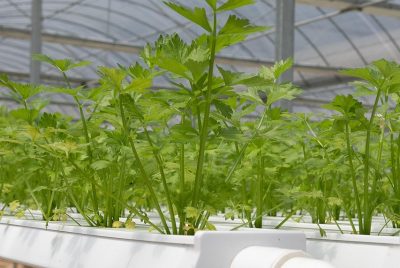
Nutrient Film Technique (NFT) hydroponics is a method of growing plants without soil by continuously flowing a nutrient-rich water solution over the roots of the plants. This technique minimizes water usage while also ensuring that plants receive the nutrients they need for optimal growth. With turf and soil often taking a backseat in modern gardening techniques, NFT hydroponics emerges as a technique that can boost your plant-growing endeavors.
How Does NFT Hydroponics Work?
In this technique, a thin film of nutrient solution flows over the plant roots that are supported by a channel or trough. Because the roots are constantly exposed to the moisture and nutrients, they take up what they need quickly, making for rapid growth.
Let’s simplify this idea:
- You create a small channel or trough where the plants sit.
- A pump circulates a nutrient solution through this channel.
- The roots absorb the nutrients as they grow in this nutrient-rich environment.
Benefits of Using NFT Hydroponics
NFT hydroponics has numerous advantages that can benefit you as a grower:
1. Minimal Water Usage
The continuous flow of a thin film means that you are using significantly less water than traditional soil-based gardening methods. This method can be especially useful in areas where water is scarce or expensive.
2. Faster Growth Rates
Plants grown in NFT systems often grow faster than those in soil. With direct access to nutrients and water, your plants can achieve optimal growth conditions.
3. Space Efficiency
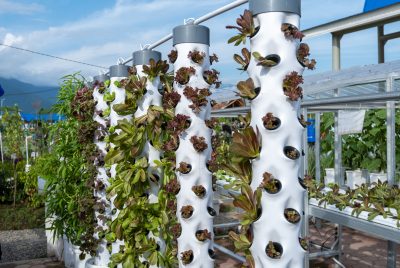
NFT systems can often be stacked or arranged vertically, allowing you to grow a larger number of plants in a smaller footprint. This makes NFT perfect for urban gardening or small spaces.
4. Reduced Pest and Disease Risks
Because you aren’t using soil, you decrease the likelihood of soil-borne pests and diseases. This cleaner growing environment can lead to healthier plants.

Essential Components of an NFT System
Understanding what makes up an NFT hydroponics system is crucial for anyone looking to venture into this gardening method. Below are the essential components:
1. Growth Channel
This is where your plants will reside. The channel is often made from PVC or other non-toxic materials that allow for easy flow of nutrient solution.
2. Reservoir
This component stores the nutrient solution. It can be any container that can hold water but should ideally be opaque to prevent algae growth.
3. Pump
A pump is needed to circulate the nutrient solution from the reservoir to the growth channel. A submersible pump is often used because it is efficient and can be submerged directly in the reservoir.
4. Nutrient Solution
This is the lifeblood of the NFT system. You’ll need to mix water with a hydroponic nutrient solution designed for the plants you are growing. It’s essential to regularly check the pH and nutrient levels to ensure optimal plant growth.
5. Timer
To automate your system, a timer can be helpful, making sure that the pump runs for specific intervals, which helps avoid over-saturation or dry periods.
Setting Up Your NFT Hydroponics System
Setting up your NFT hydroponics system may seem daunting, but breaking it down into actionable steps makes the process much easier.
Step 1: Gather Your Supplies
Make a list of everything you’ll need:
- Growth channel or trough
- Reservoir
- Nutrient pump
- Hydroponic nutrients
- Timer
- Net pots
- Growing medium (optional, like rock wool or clay pellets)
Step 2: Design Your Layout
Consider how you want your system to be arranged. It can be either horizontal or vertical, depending on the space you have available.
Step 3: Assemble the Components
Once your layout is planned, assemble the growth channel and connect it to the reservoir. Make sure that there are slopes for proper flow of the nutrient solution.
Step 4: Install the Pump
Place your pump in the reservoir and connect it to the growth channel.
Step 5: Add the Nutrient Solution
Prepare your hydroponic nutrient solution according to package instructions, and pour it into the reservoir.
Step 6: Insert Your Plants
Place your plants in net pots and insert them into the growth channel. Be cautious about not overloading the channel.
Step 7: Set the Timer
Set the timer to run the pump at regular intervals—about 15 minutes on, 45 minutes off is a typical starting schedule. Adjust this as needed based on plant growth and moisture levels.

Choosing the Right Plants for NFT Hydroponics
Not all plants thrive equally well in NFT systems. Let’s take a look at the types of plants that are commonly grown and their suitability.
| Plant Type | Suitability |
|---|---|
| Leafy Greens | Excellent |
| Herbs | Very Good |
| Strawberries | Good |
| Tomatoes | Fair |
| Cucumbers | Fair |
| Root Vegetables | Not Recommended |
Maintaining Your NFT Hydroponics System
To keep your NFT hydroponics system functioning effectively, maintaining the quality of your nutrient solution and monitoring your plants is essential.
1. Regularly Check Nutrient Levels
Use a TDS (Total Dissolved Solids) meter to measure the nutrient concentration. An ideal range is between 800-2000 ppm (parts per million), depending on the plants you’re growing.
2. pH Monitoring
Regularly measure the pH of your nutrient solution. Aim for a pH level of 5.5 to 6.5, which is optimal for most hydroponic plants. Adjust using pH up or down solutions as required.
3. Clean Your System
Algae and bacteria can thrive in the warm, nutrient-rich environment of hydroponics. Regularly clean your reservoir, growth channels, and tubes to prevent the buildup of unwanted growth.

Challenges You May Encounter
While NFT hydroponics is a fantastic method, it does come with its challenges. Understanding these can help you stay prepared.
1. Pump Failures
If your pump fails, the plants can suffer from drought conditions. Always have a backup pump if possible, and consider ways to quickly swap pumps in case of emergencies.
2. Nutrient Imbalance
Depending on environmental factors, your plants may not uptake nutrients as effectively, leading to deficiencies. Regular testing of your nutrient solution can help mitigate this issue.
3. Algae Growth
Algae can thrive in standing water, so it’s crucial to use opaque containers for your reservoir and to keep your system clean.
Useful Tips for Success in NFT Hydroponics
Here are some friendly tips to help you succeed:
- Start with easy-to-grow plants such as lettuce or basil before experimenting with more complicated species.
- Experiment with different nutrient solutions to see what works best for your plants.
- Always have a backup plan for electricity or system failure.
- Record your processes, successes, and failures. It’s a learning experience!
Conclusion
NFT hydroponics is not just a modern trend in gardening; it brings a plethora of benefits that can satisfy both hobbyists and serious growers. Whether you choose to start with leafy greens or venture into more challenging crops, you have the tools and knowledge to cultivate a lush indoor or outdoor garden. Embrace the journey of planting, learning, and growing with NFT hydroponics—your green thumb awaits!