Maximizing Space with a Grow Tent

Have you ever wished you could grow your own plants indoors, but felt limited by space? Whether you’re an avid gardener or a newbie just starting out, maximizing your space effectively can make all the difference. A grow tent might just be the solution you’re looking for!

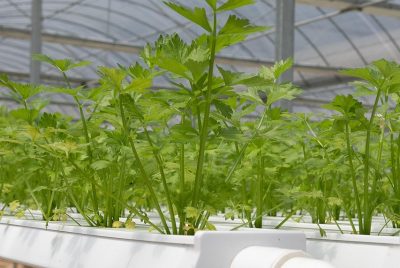
This image is property of pixabay.com.
What is a Grow Tent?
A grow tent is a portable, enclosed environment designed for growing plants. It usually consists of a durable fabric exterior, reflective lining, and a frame to hold it up. Grow tents come in various sizes, making them suitable for different spaces, from spare rooms to closets.
The main purpose of a grow tent is to create a controlled environment where you can monitor humidity, temperature, and light levels more easily than in an open room. This not only helps your plants thrive but also makes gardening more enjoyable.
Benefits of Using a Grow Tent
Using a grow tent has several benefits that can enhance your gardening experience. Let’s break them down.
- Controlled Environment: You can manage factors like light intensity, humidity, and temperature, giving your plants the best conditions for growth.
- Space Efficiency: Grow tents come in various sizes and can fit into areas that may not be suitable for traditional gardening. Even a small apartment can accommodate a grow tent!
- Pest Management: The enclosed space helps keep pests away. You can use methods like sticky traps or natural repellents safely within your tent.
- Mobility: Grow tents are generally lightweight and can be easily moved around your home, making them perfect if your needs or preferences change.
Choosing the Right Grow Tent
Selecting the right grow tent involves considering various factors. Here’s what you should keep in mind.
Size Matters
When deciding on the size of your grow tent, think about how much space you have available and the number of plants you want to grow. Here are some sizes to consider:
| Tent Size (sq. ft) | Typical Plant Capacity |
|---|---|
| 2 x 2 | 1-4 small plants |
| 4 x 4 | 4-6 medium plants |
| 5 x 5 | 6-9 medium plants |
| 8 x 8 | 10-15 larger plants |
Make sure you measure your available space carefully, considering any additional equipment you might need inside the tent.
Material Quality
The quality of the material is crucial for durability and effectiveness. Look for tents made from:
- Reflective Mylar: This material maximizes light reflection, helping your plants receive the necessary light.
- Thick Fabric: A thicker, durable fabric ensures that the tent can hold up against wear and tear over time.
- Strong Zippers and Stitches: These components are essential for keeping the grow tent secure and preventing light leaks.
Setting Up Your Grow Tent
Now that you’ve chosen your grow tent, it’s time to set it up. This process may seem daunting, but with a little guidance, you’ll have your tent ready for plants in no time!
Selecting a Location
Finding the perfect location for your grow tent is key. Make sure to:
- Choose a spot near an electrical outlet for lighting and fans.
- Ensure it’s in a place where it won’t be disturbed often, as consistent conditions are important for plant growth.
- Allow for air circulation around the tent for effective ventilation.
Assembling the Grow Tent
Most grow tents come with easy-to-follow instructions. Just remember to:
- Lay out all parts to ensure everything is included.
- Assemble the frame first, making sure it’s stable.
- Attach the fabric covering, ensuring that all zippers are functioning properly.
- Set up any additional accessories you plan to use.
Adding Equipment
Once your tent is assembled, it’s time to add equipment. Here are some essentials you should consider:
- Grow Lights: The type of lighting you choose depends on the plants you’re growing. LED lights are popular because they are energy-efficient and have a long lifespan.
- Ventilation System: Good air circulation prevents mold and keeps plants healthy. Consider using a combination of intake and exhaust fans.
- Thermometers and Hygrometers: Keeping track of temperature and humidity is vital. Digital models provide easy-to-read data.
| Equipment | Purpose | Recommended Type |
|---|---|---|
| Grow Lights | Light for photosynthesis | LED |
| Exhaust Fan | Air circulation | Inline fan |
| Intake Fan | Fresh air supply | Oscillating fan |
| Thermometer | Check temperature | Digital |
| Hygrometer | Check humidity | Digital |
Preparing the Soil
Now let’s talk about soil. Preparing the right soil mix for your grow can significantly impact plant growth. You might want to consider:
- Potting Soil: This is a versatile option that provides good drainage.
- Coco Coir: Made from coconut husk, it’s an excellent choice for moisture retention.
- Hydroponic Solutions: If you’re going soil-free, consider a hydroponic setup for faster growth.
Choosing the Right Plants for your Grow Tent
Knowing what to grow in your tent can influence your gardening success. Here’s a breakdown of suitable plants based on experience level and purpose.
Beginner-Friendly Plants
If you’re new to growing, start with these easy-to-grow plants:
- Herbs: Basil, mint, and cilantro are great options. They grow well in smaller spaces and can be used in your cooking!
- Lettuce: Leafy greens are fast-growing and do well in various light conditions.
- Cherry Tomatoes: These can thrive in containers and require minimal care.
Intermediate Options
Once you’ve gained some experience, consider trying your hand at:
- Peppers: They love light and warmth.
- Strawberries: A rewarding fruit that grows well in pots.
- Cucumbers: A bit more demanding but highly rewarding.
Advanced Cultivation
If you’re a seasoned grower, challenge yourself with:
- Root Vegetables: Requires specific lighting and nutrients but can be very fulfilling.
- Exotic Fruits: Varieties like dwarf citrus trees can be grown indoors.

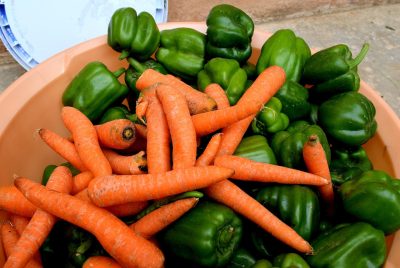
This image is property of pixabay.com.
Maintaining Optimal Conditions in your Grow Tent
Achieving and maintaining optimal growing conditions within your tent is essential to ensure plant health.
Light Management
Light is one of the most critical factors in plant growth. Consider these tips:
- Lighting Schedule: Most plants need 12 to 16 hours of light daily. Use timers to automate the process.
- Distance from Plants: Keep grow lights at the right distance to prevent burning your plants while ensuring they receive adequate light. Generally, 12-24 inches is a good starting point, depending on your lights.
Temperature and Humidity Control
Fluctuating temperatures and humidity levels can harm your plants. Here’s how to keep things stable:
- Temperature: Aim for a daytime range of 70-85°F and nighttime around 60-70°F.
- Humidity: Maintaining around 45-60% humidity is ideal for most plants. Use a humidifier or dehumidifier as needed.
We can create a simple chart to help monitor these conditions:
| Condition | Ideal Value |
|---|---|
| Temperature (Day) | 70-85°F |
| Temperature (Night) | 60-70°F |
| Humidity | 45-60% |
Watering and Nutrient Management
Understanding the right watering and feeding schedule is key to healthy plants. Here are some tips:
- Watering: Check the soil moisture before watering. Overwatering can lead to root rot, while underwatering can cause stress.
- Nutrients: Use fertilizers according to the needs of the plants you’re growing. A balanced nutrient solution typically works well for most plants.
Pest and Disease Control
Even in a controlled environment, pests and diseases can sometimes find their way into your grow tent. Here are some preventative measures:
- Regular Inspections: Check plants frequently for signs of pests such as discolored leaves or webbing.
- Natural Remedies: Many natural solutions, like neem oil or insecticidal soap, can help control pests without harmful chemicals.
Harvesting Your Plants
After months of care, it’s finally time to enjoy the fruits of your labor! Harvesting can be more than just taking plants out; it’s about timing and technique.
Knowing When to Harvest
Timing can be critical. For instance:
- Herbs: Most can be harvested once they reach about 6 inches in height, but it’s best to take a few leaves from each plant for ongoing growth.
- Vegetables: Cues like size and color can indicate when to harvest. For example, cucumbers should be harvested when firm and green.
Techniques for Harvesting
Use appropriate tools and techniques:
- Scissors or Garden Shears: For snipping off leaves or vegetables.
- Gentle Handling: Always be gentle with your plants to avoid stress or damage.

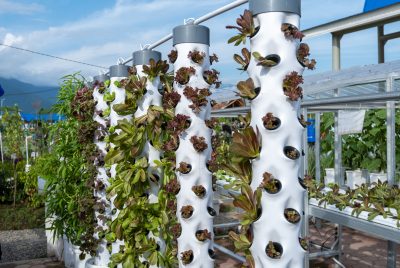
This image is property of pixabay.com.
Conclusion
Maximizing space with a grow tent can transform your indoor gardening experience into a rewarding hobby or even a full-time passion. With careful planning, the right equipment, and consistent care, you can enjoy a thriving indoor garden.
Investing time in learning about your plants and their needs will pay off significantly. The joy of watching your plants bloom and the satisfaction of harvesting the fruits of your labor are well worth the effort. Happy gardening!