Hydroponics At Home

Have you ever thought about growing your own food but felt limited by space or poor soil quality? Hydroponics at home might just be the solution you didn’t know you were looking for! This innovative growing method allows you to cultivate plants without soil, making it possible to produce fresh herbs, vegetables, and fruits right in your home.

What is Hydroponics?
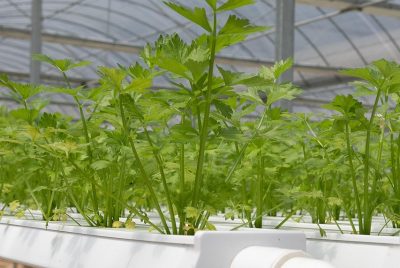
Hydroponics is a method of growing plants using nutrient-rich water instead of soil. This system allows for more efficient nutrient absorption, leading to faster growth and often higher yields compared to traditional gardening. You can start growing everything from leafy greens to strawberries—all while conserving water and minimizing space.
Benefits of Hydroponics
You might wonder why so many people are turning to hydroponics. The benefits are numerous, and they can fit into your lifestyle, no matter how big or small your home is.
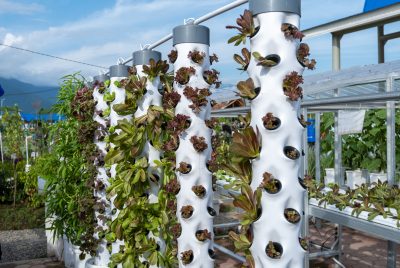
- Space Efficiency: Hydroponic systems are more compact than traditional gardens, enabling you to grow in small areas.
- Faster Growth: Without soil as a barrier, plants can absorb nutrients more readily, resulting in quicker growth cycles.
- Reduced Water Consumption: Hydroponics uses significantly less water than traditional gardening, as the water is recirculated.
- Pest and Disease Control: Growing indoors or in a controlled environment often limits exposure to pests and diseases.
- Year-Round Growth: You can grow plants year-round regardless of climate conditions, giving you fresh produce all the time.
Getting Started with Hydroponics
If you’re excited about starting your hydroponics journey, you might be wondering where to begin. The good news is that you don’t need a lot of experience or a gardening degree.
Understanding the Basic Hydroponic Systems
Different types of hydroponic systems cater to various needs and environments. Familiarizing yourself with the options will help you choose the right setup for your home.
| Type of System | Description | Ideal For |
|---|---|---|
| Nutrient Film Technique | A thin film of nutrient solution flows over the roots of the plants. | Beginners with limited space |
| Deep Water Culture | Plants are suspended in a nutrient solution with air stones providing oxygen. | Fast-growing crops like lettuce |
| Ebb and Flow | The nutrient solution floods the plant roots at intervals and then drains back into a reservoir. | Versatile for various crops |
| Wick System | A simple system where a wick draws nutrient solution into the growing medium. | Low-maintenance, low-tech setup |
| Aeroponics | Plant roots hang in the air and are sprayed with nutrient solution. | Advanced growers |
Choosing the right system depends on your available space, the crops you want to grow, and how much you’re willing to invest.
Choosing the Right Location for your Hydroponics at home setup
Once you’ve decided on a system, it’s time to find the perfect spot for your hydroponics setup. Consider these factors:
- Light: Natural sunlight or grow lights will be essential for plant growth. Aim for a location that gets plenty of light throughout the day.
- Temperature: Most plants thrive in temperatures between 65°F and 75°F. Avoid extreme hot or cold areas in your home.
- Accessibility: You’ll want a place where you can easily manage and maintain your system, so keep that in mind as you choose a location.
Setting Up Your Hydroponic System
Now that you have an idea of the system to use and the perfect location, the next step is setting up your hydroponic garden.
Required Materials
You’ll need a few essentials to build your hydroponic system:
- Growing Containers: Choose containers that will hold your plants and nutrient solution.
- Growing Medium: While hydroponics does not use soil, you’ll need a substitute like rock wool, clay pellets, or perlite.
- Nutrient Solution: Purchase premixed solutions or create your own from fertilizers designed for hydroponics.
- Water Pump and Reservoir: Necessary for systems that require circulating water (like Ebb and Flow or Deep Water Culture).
- Air Pump: Important for aerating the water in Deep Water Culture systems.
Step-by-Step Installation for your Hydroponics at home
- Prepare Your Reservoir: Fill your reservoir with water and mix in the nutrient solution according to package instructions.
- Connect the Pump: If you’re using a system that requires it, connect your water pump to ensure proper circulation.
- Set Up Growing Containers: Place your containers at the desired height, making sure they can drain back into the reservoir if necessary.
- Add Growing Medium: Fill the containers with your chosen growing medium.
- Plant Your Seeds or Seedlings: Sow seeds or transplant seedlings into the growing medium, ensuring they have good contact with it.
Maintenance Tips
Maintaining your hydroponic system doesn’t have to be daunting. Here are some tips you can follow to keep your garden healthy:
- Monitor Nutrient Levels: Regularly check the pH and EC (Electrical Conductivity) of your nutrient solution to ensure your plants are receiving adequate nutrients.
- Change Water Regularly: To keep the system clean, change the water and nutrient solution every two weeks or as needed.
- Check for Pests and Diseases: Keep an eye out for any signs of pests or diseases, especially if you’re growing indoors.
- Trim and Prune Plants: Regular maintenance will encourage healthy growth and prevent overcrowding.
Plants You Can Grow Hydroponically at home
You might be curious about which plants thrive in a hydroponic environment. Fortunately, many of your favorites can be grown with this method, and some are especially well-suited for beginners.
Leafy Greens
Leafy greens like lettuce, spinach, and kale are excellent choices for hydroponics. They grow quickly and don’t require a lot of vertical space.
Herbs
Herbs such as basil, mint, cilantro, and parsley can thrive in hydroponics. Having fresh herbs on hand can enhance your cooking!
Fruits
You can also grow fruit-bearing plants including strawberries and tomatoes. However, they may require a bit more attention than greens and herbs.
Flowering Plants
If you want some color in your hydroponic garden, consider growing flowering plants like orchids or even dwarf varieties of sunflowers.

Troubleshooting Common Problems with Hydroponics at home
Even in the best system, issues may arise. Understanding common problems will help you address them quickly.
Nutrient Deficiencies
If your plants appear discolored or are not growing well, they may not be getting enough nutrients. Check your nutrient levels and adjust accordingly.
Algae Growth
Algae can thrive in hydroponic systems, especially if exposed to light. To minimize this, cover your reservoir and keep it out of direct sunlight.
Root Rot
Overwatering or not providing enough oxygen can cause root rot. Ensure your system allows for proper aeration and drainage.
Pests
Pests can still find their way into your hydroponic setup. Regularly inspect your plants and, if necessary, use organic pest control methods to keep them at bay.
Expanding Your Hydroponic Knowledge
As you get more comfortable with hydroponics, you might want to expand your knowledge. There are numerous resources available:
Books and Guides
There are plenty of books dedicated to hydroponic gardening. They often cover advanced techniques, helping you improve your skills and yields.
Online Communities
You can join forums and social media groups dedicated to hydroponics. Sharing tips and experiences with others can be incredibly helpful.
Local Workshops
Check if any local gardening centers offer workshops on hydroponics. Hands-on learning can be incredibly beneficial and provide valuable insights.
YouTube Channels
Many knowledgeable gardeners share their experiences online. Watching videos can offer visual guidance and troubleshooting techniques.

This image is property of pixabay.com.
The Future of Hydroponics
Hydroponics is more than just a hobby; it’s becoming an essential method for sustainable food production as our populations grow and urban areas expand. You’re contributing to a more sustainable future by growing as much of your own food as possible. Plus, it’s a rewarding way to enjoy fresh produce right from your own home!
The Role of Technology
You might be surprised by how much technology has advanced hydroponics. Automated systems, smart sensors, and even apps for nutrient monitoring are making it easier than ever for anyone to grow their own food.
Sustainable Practices
The importance of sustainable practices has grown. Hydroponics uses fewer resources and minimizes the need for pesticides, making it an environmentally friendly choice.
Global Adoption
As you’ve seen, hydroponics is gaining popularity worldwide, leading to urban farms and community gardens springing up in cities everywhere.
Conclusion
Starting your hydroponic garden at home can be a fulfilling journey that yields delicious fruits and vegetables. You’ve learned about the benefits, the different systems available, and how to maintain your setup easily. With the right materials and a bit of dedication, you can transform a small space into a thriving mini-farm.
Imagine enjoying a salad made with fresh lettuce and herbs you’ve grown yourself—there’s nothing quite like it. Whether you’re looking to save money, eat healthier, or simply try something new, hydroponics opens up exciting possibilities. So, gather your supplies, choose your plants, and get started on your hydroponic adventure today. Happy growing!