Hydroponic Vertical Farming
What if you could grow fresh vegetables and herbs right in your own home without needing a backyard or maximising space on your farm? Hydroponic vertical farming offers this exciting possibility, allowing you to cultivate your favorite plants in a compact space. Let’s take a closer look at how this innovative farming method works, its benefits, and how you can implement it.
What is Hydroponic Vertical Farming?
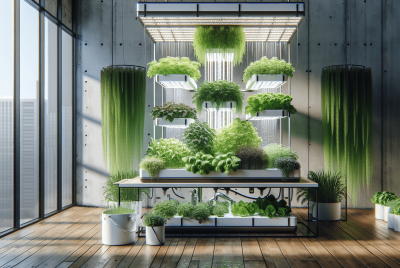
Hydroponic vertical farming is a method of growing plants without soil, using mineral nutrient solutions in a water solvent instead. In this system, plants are grown in vertically stacked layers or surfaces, making efficient use of space. Imagine being able to cultivate a variety of plants in a small footprint, whether inside your apartment or on your balcony. It’s not only efficient but also environmentally friendly.
The Basics of Hydroponics
At its core, hydroponics involves growing plants in a nutrient-rich water solution. Instead of relying on soil, plants absorb essential nutrients directly from the water. This method allows for faster growth rates and typically leads to higher yields than traditional farming. Here are some foundational elements you should know:
- Nutrient Solutions: These are chemical mixtures that provide the required nutrients directly to plant roots.
- Water Efficiency: Hydroponic systems use approximately 90% less water than traditional farming methods.
- Controlled Environment: Since many hydroponic systems are housed indoors or in greenhouses, you can control temperature, humidity, and light, optimizing conditions for plant growth.
Vertical Farming Explained
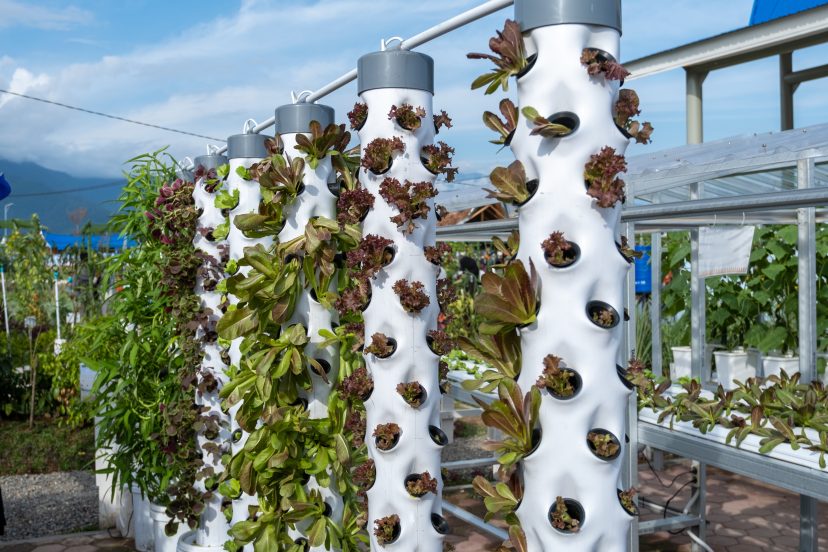
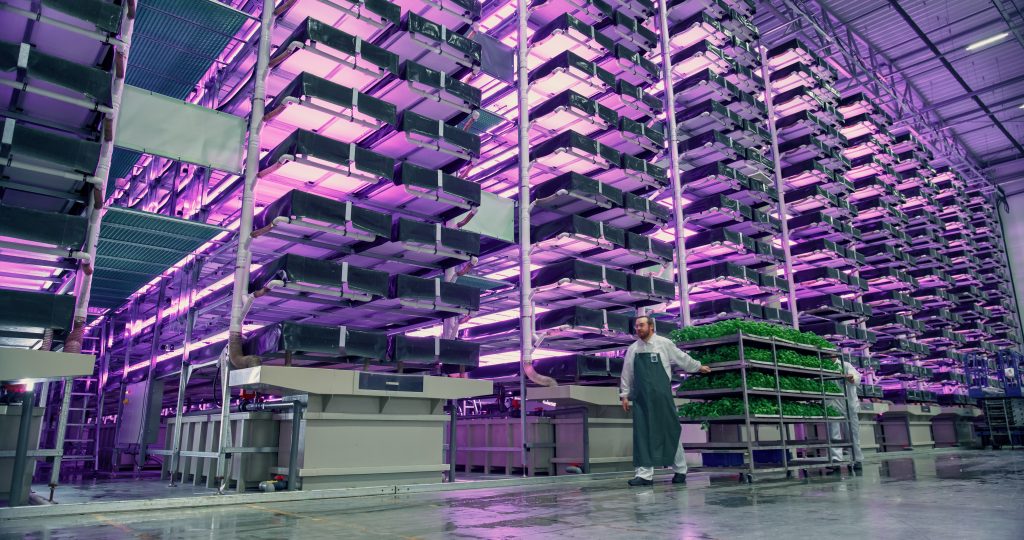
Vertical farming is the practice of growing crops in vertically stacked layers. This approach can significantly increase the amount of food produced in a limited area. It usually takes place in controlled environments, which can reduce the impact of pests and diseases.
Key Components of Vertical Farming
- Geranium and Plant Stacking: Layers of crops are arranged vertically, allowing you to maximize space.
- Artificial Lighting: Grow lights help ensure plants receive the proper light spectrum for photosynthesis, especially in indoor setups.
- Automated Systems: These systems can manage nutrient delivery, water circulation, and even grow cycles automatically.
Benefits of Hydroponic Vertical Farming
You might be wondering, why choose hydroponic vertical farming over traditional methods? There are several key benefits to this innovative approach:
1. Space Efficiency
If you’re living in a city or have limited outdoor space, hydroponic vertical farming can be a game changer. You can grow a substantial amount of food in small areas, such as balconies, basements, or even rooftops.
2. Increased Yields
Plants grown hydroponically typically grow faster than those in soil. Without the constraints of soil, plants can absorb more nutrients and access oxygen more effectively, leading to quicker harvest cycles.
3. Reduced Water Usage
Water conservation is increasingly important, especially in urban areas. Hydroponic systems use significantly less water compared to traditional farming, making them an eco-friendly option for growing food.
4. Less Pesticide Use
Controlled environments help reduce the likelihood of pests and diseases, meaning you may not need to rely heavily on pesticides. This can lead to healthier plants and produce.
5. Year-Round Growth
With hydroponic vertical farming, you can grow your favorite crops year-round. Since conditions can be controlled, you’re not limited by seasonal changes. Imagine having fresh basil or tomatoes at any time of the year!
6. Nutrient-Rich Produce
Plants grown in hydroponics are often more nutrient-dense, as you can control the nutrient composition of the water. This means your homegrown crops can be tastier and healthier.
Other Types of Hydroponic Systems
Not all hydroponic systems are created equal. Understanding the different types can help you decide which one suits your needs best.
1. Nutrient Film Technique (NFT)
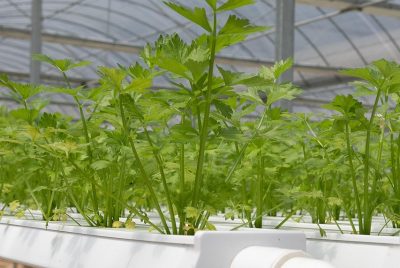
In NFT systems, a thin film of nutrient solution flows over the roots of the plants. This method provides continuous access to nutrients while allowing roots to absorb oxygen from the air.
Advantages:
- Efficient use of water and nutrients
- Simple system design
Disadvantages:
- Roots can dry out if the pump fails
- Requires precise management to maintain nutrient levels
2. Deep Water Culture (DWC)
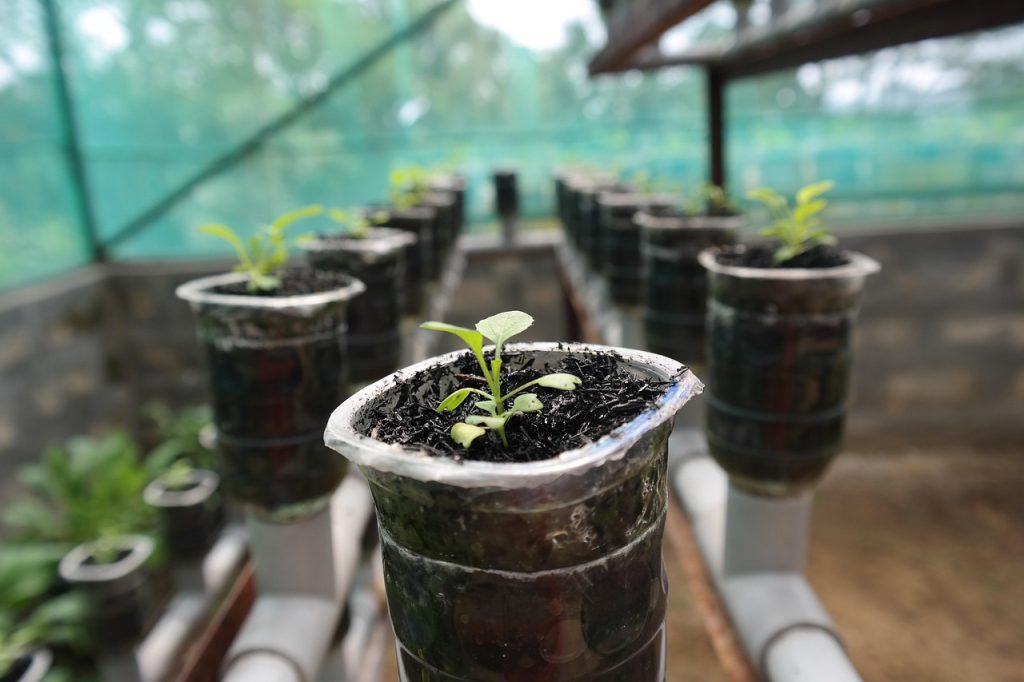
DWC systems suspend plant roots in a nutrient-rich oxygenated water solution. An air pump creates bubbles that oxygenate the water, ensuring that roots have the nutrients and oxygen they need to thrive.
Advantages:
- Fast plant growth
- Lower maintenance compared to other systems
Disadvantages:
- Requires a reliable air pump
- Risk of roots rotting in standing water
3. Ebb and Flow (Flood and Drain)
Ebb and flow systems flood plant roots with nutrient solution and then drain it back to the reservoir. This cycle provides nutrients while also allowing the roots to access oxygen.
Advantages:
- Versatile and scalable
- Can grow a variety of plants
Disadvantages:
- Potential for flooding issues
- Requires careful timing for optimal growth
4. Aeroponics
In aeroponic systems, plant roots hang in the air and are misted with nutrient solution. This method provides excellent oxygenation and nutrient absorption.
Advantages:
- Uses very little water
- Plants grow very quickly
Disadvantages:
- Technical and requires careful monitoring
- Higher initial setup costs
Setting Up Your Hydroponic Vertical Farm
Now that you’re intrigued by what hydroponic vertical farming can do, let’s go through the steps to set up your own system at home.
1. Choose Your Space
Look for an area in your home or around it where you can create your vertical farm. Consider factors like light availability, accessibility to water, and temperature control. Even a small nook can work!
2. Select a Hydroponic System
Decide on the hydroponic system that best fits your needs. If you’re new to hydroponics, you might want to start with a simpler system like Deep Water Culture before exploring more complex setups.
3. Gather Your Materials
You’ll need various materials, including:
- Growing containers: These can be net pots or any other kind of suitable container.
- Nutrient solution: Purchase a commercially available hydroponic nutrient solution.
- Growing medium: Materials like coconut coir, rock wool, or perlite can provide support.
- Lighting: If you’re growing indoors, invest in good quality grow lights.
4. Assemble Your System
Follow the guidelines of your chosen hydroponic system to set everything up. Pay attention to the water level, pH balancing, and nutrient concentration.
5. Choose Your Plants
Consider what you’d like to grow. Herbs, leafy greens, and small fruiting plants tend to do well in hydroponic systems. Some popular choices include:
| Plant Type | Growth Time (Days) | Notes |
|---|---|---|
| Basil | 30-40 | Thrives in warm conditions |
| Lettuce | 30-50 | Great for beginners |
| Spinach | 40-50 | Prefers cooler temperatures |
| Strawberries | 60-80 | Requires careful management |
6. Monitor and Maintain
To ensure your plants thrive, regularly check the pH of your nutrient solution, monitor for pests, and observe the conditions (like temperature and humidity). This maintenance is key for a successful hydroponic vertical farm.
Common Challenges and Solutions with Hydroponic Vertical Farming
Like any gardening or farming method, hydroponic vertical farming comes with its challenges. Here are some common issues you might face and how to tackle them.
1. pH Imbalance
pH levels can fluctuate, which can affect nutrient absorption. Regularly test and adjust the pH of your nutrient solution to stay within the optimal range (around pH 5.5-6.5 for most plants).
2. Root Rot
In systems like DWC, standing water can lead to root rot if not managed properly. Ensure your air pump is functioning effectively, and keep an eye on water levels to prevent stagnation.
3. Nutrient Deficiencies
Nutrient deficiencies can occur if your solution isn’t properly balanced. Always follow the instructions for your nutrient solution carefully and be mindful of the growth stage of your plants.
4. Pest Infestations
While hydroponic systems are less prone to pests, they can still occur. Introduce beneficial insects, use organic sprays, or physically remove pests to keep your plants healthy.
Sustainable Practices in Hydroponic Vertical Farming
Combining hydroponic vertical farming with sustainable practices not only helps our planet but can also enhance the resilience of your farm.
1. Energy Efficiency
Consider using energy-efficient LED lights for your indoor farm. They consume less power and produce less heat, helping reduce overall energy costs.
2. Water Recycling
Implement a water recycling system that can reuse nutrient solutions. This not only conserves water but also reduces waste and lowers costs.
3. Organic Nutrients
Explore organic or natural nutrient options to minimize synthetic chemical use. There are several organic nutrient solutions available on the market.
4. Community Involvement
Connect with others who are practicing hydroponics. Community engagement can lead to sharing knowledge, resources, and even plant cuttings that can diversify your farm.
This image is property of pixabay.com.
Conclusion
Hydroponic vertical farming presents a fantastic opportunity for anyone looking to grow their own food in a sustainable and space-efficient manner. It combines innovative technology with age-old farming principles, allowing you to enjoy fresh produce without the need for a traditional garden. With careful planning and consistent maintenance, you’ll find yourself rewarding your effort with bountiful harvests of delicious herbs and vegetables all year round. So why not give it a try? Your homegrown oasis awaits!