Hydroponic Tomatoes

Have you ever wondered how you can grow delicious, juicy tomatoes without soil? Hydroponic tomatoes are gaining popularity among gardening enthusiasts and professionals alike for their efficiency and flavorful results. Let’s unpack the world of hydroponics and discover how to cultivate your own tomatoes in a soilless environment.
What is Hydroponics?
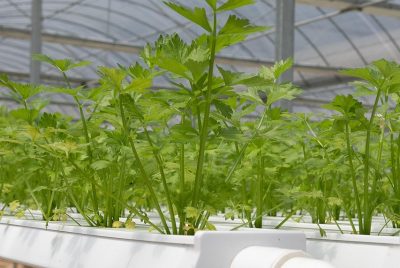
Hydroponics is an innovative method of growing plants that involves using nutrient-rich water instead of soil. In this system, the roots of the plants are submerged in a solution that provides all the essential nutrients they need to thrive. By eliminating the soil, gardeners can have greater control over plant growth, reduce the risk of pests and diseases, and even save space.
The beauty of hydroponics lies in its versatility; it can be set up in various environments, from small home gardens to large commercial operations.
Benefits of Growing Hydroponic Tomatoes
Faster Growth Rate
One of the first benefits you might notice when growing hydroponic tomatoes is the accelerated growth rate. Without soil, plants can absorb nutrients more efficiently, leading to quicker maturation. This means you’ll be enjoying your homegrown tomatoes in a fraction of the time compared to traditional gardening.
Higher Yields
Hydroponic systems can produce significantly higher yields than soil-grown tomatoes. The precise control over nutrient delivery, combined with optimal growing conditions, allows each plant to reach its full potential. If you’re looking for productivity, hydroponics is a game-changer.
Space Efficiency
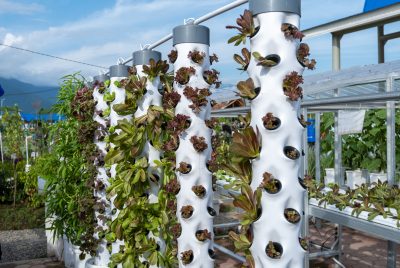
If you’re short on space, hydroponics has your back. Hydroponic systems can be designed vertically or compactly, making it possible to grow a large number of plants in a small footprint. This makes them perfect for urban gardeners or those with limited outdoor space.
Year-Round Production
With hydroponics, you’re not limited by the seasons. You can grow tomatoes any time of the year, as long as you can provide the necessary light and temperature conditions. This is especially beneficial if you live in regions with harsh winters or if you want to enjoy fresh tomatoes even when they’re out of season in your area.
Reduced Water Usage
Hydroponic systems often use less water compared to traditional gardening. The recirculating nature of many hydroponic setups minimizes water waste by constantly reusing it in the system. This is an excellent way to contribute to sustainable gardening practices.
Reduced Risk of Soil-borne Diseases
By eliminating soil, you dramatically decrease the risk of soil-borne diseases that can plague traditional tomato gardening. This means healthier plants and less reliance on chemical treatments. You can feel good about nurturing your plants more naturally.

This image is property of pixabay.com.
Getting Started with Hydroponic Tomatoes
Choosing the Right Hydroponic System
If you’re ready to grow your hydroponic tomatoes, the first step is selecting a suitable system. There are several types of hydroponic systems you can choose from, each with its own advantages.
Nutrient Film Technique (NFT): This system involves a thin film of nutrient solution continuously flowing over the roots of the plants. It’s efficient and well-suited for tomatoes, but you need to monitor water levels closely.
Deep Water Culture (DWC): In this system, plants are suspended in a nutrient-rich solution, with their roots submerged. Air stones provide oxygen to the roots, promoting healthy growth.
Ebb and Flow (Flood and Drain): This method floods the plant roots with a nutrient solution at regular intervals, allowing it to drain back into the reservoir. It’s a popular choice for growing tomatoes due to its balance of moisture and aeration.
Aeroponics: This high-tech method suspends the plants in air and mists the roots with a nutrient solution. It often leads to rapid growth but requires careful monitoring of humidity and moisture.
Wicking System: A simpler system that uses wicks to draw nutrient solution up to the plant roots. While it’s easy to set up, it may not be as efficient for fast-growing crops like tomatoes.
Kratky Method: A passive hydroponic system, meaning it doesn’t require pumps or electricity to circulate the nutrient solution.
Selecting Tomato Varieties
Not all tomato varieties are well-suited for hydroponic growing. If you’re starting your hydroponic tomato journey, consider these popular varieties:
| Tomato Variety | Description |
|---|---|
| Cherry Tomatoes | Small and sweet, perfect for snacking. |
| Roma Tomatoes | Plum-shaped tomatoes ideal for sauces. |
| Beefsteak Tomatoes | Large, juicy tomatoes, great for sandwiches. |
| Sungold Tomatoes | Golden-orange cherry tomatoes with a sweet flavor. |
Select a variety that suits your taste preferences and intended use. Your choices will dictate not only your growing success but also the flavors you get to enjoy later.
Setting Up Your Hydroponic System
Once you’ve chosen your system and tomato variety, it’s time to set up your hydroponic garden. Here’s a simple guide:
Choose a Location: Find a suitable location with access to natural or artificial light. If you’re growing indoors, consider using grow lights to provide adequate lighting.
Prepare the System: If you’ve chosen a kit, follow the manufacturer’s instructions carefully. For DIY setups, make sure all components are securely assembled, and check for leaks.
Nutrient Solution: Use a high-quality hydroponic nutrient solution specifically formulated for tomatoes. Follow the manufacturer’s instructions for mixing the solution in the appropriate ratio.
Temperature and pH Monitoring: Keep an eye on the temperature and pH level of your nutrient solution. Tomatoes thrive in temperatures between 70°F to 80°F (21°C to 27°C) and a pH of 5.5 to 6.5.
Planting: Start your seeds in small rock wool cubes or growing plugs before transferring them to the system. Ensure they have enough support as they grow.
Maintaining Your Hydroponic Tomatoes
Grooving hydroponic tomatoes is not set-it-and-forget-it. Continuing care is crucial for their thriving:
Nutrient Management: Regularly check the nutrient solution. Replenish and adjust as necessary based on the growth stage of your plants.
Water Levels: Monitor water levels and top up as needed. Make sure your system has a way to notify you of water levels, especially in systems like NFT or DWC.
Light Regimen: If growing indoors, maintain a consistent light schedule. Most tomato plants benefit from 12-16 hours of light a day.
Pruning and Training: As your plants grow, prune any low leaves and suckers to promote air circulation and direct energy toward fruit production. Use trellises or stakes to support tall varieties.
Pest and Disease Monitoring: Keep an eye out for any signs of pests or diseases. Since hydroponics minimizes these risks, it may be simpler to manage; still, occasional inspections can prevent issues from becoming significant problems.
Common Challenges in Growing Hydroponic Tomatoes
Nutrient Deficiencies
Nutrient deficiencies can hinder your tomato plants’ growth and fruit production. Common deficiencies include:
| Nutrient | Signs of Deficiency |
|---|---|
| Nitrogen | Yellowing leaves, stunted growth. |
| Phosphorus | Dark green leaves with purple hues. |
| Potassium | Brown leaf margins, poor fruit development. |
To combat these deficiencies, ensure you’re using balanced nutrient solutions tailored for tomatoes. Regular testing and monitoring will help you catch issues before they impact growth.
Disease Management
While hydroponics reduces the risk of soil-borne diseases, other issues can still arise. Keep an eye out for:
Fungal Diseases: Maintain proper air circulation and humidity levels to minimize fungal growth. Using beneficial microbes can also help protect your plants.
Bacterial Issues: Avoid over-watering or using infected water. Good sanitation practices can significantly reduce bacterial threats.
Pests
Even in hydroponic setups, you might encounter pests like aphids, whiteflies, or spider mites. Here are some ways to manage them:
Natural Predators: Introduce beneficial insects to help control populations.
Insecticidal Soap: Use organic solutions to deter pests without harmful chemicals.
Regular Inspections: Frequent check-ups will help identify problems early, improving your chances for recovery.

This image is property of pixabay.com.
Harvesting Hydroponic Tomatoes
Once you’ve nurtured your plants, the moment will come when you have to harvest those beautiful tomatoes. Here’s how to know when they’re ready:
Color: Watch for a vibrant hue characteristic of the variety you’re growing. Cherry tomatoes usually look bright and shiny, while beefsteaks turn deep red.
Firmness: Gently squeeze the fruit. They should feel slightly firm but not hard. Overripe tomatoes will start to feel softer.
Taste Test: When in doubt, a taste test can tell you if they’re ready, but don’t eat a lot of raw green tomatoes!
To harvest, gently twist the tomato from the stem or use clean scissors to snip them off. This helps avoid any damage to the plant, promoting continued growth.
Enjoying Your Hydroponic Tomatoes
After all that careful nurturing, the best part is enjoying the fruits of your labor! Here are some delicious ways to enjoy your homegrown hydroponic tomatoes:
- Salads: Slice fresh tomatoes into salads for a burst of flavor.
- Sauces: Use ripe tomatoes to make homemade sauces and salsas.
- Sandwiches: Add juicy slices to your favorite sandwiches or burgers for added crunch and moisture.
- Roasted Dishes: Roast tomatoes to concentrate their sweetness and enhance their flavor.

This image is property of pixabay.com.
Conclusion: Your Hydroponic Tomato Journey Awaits
As you embark on your hydroponic tomato journey, remember that patience and care are crucial. The learning curve may have its ups and downs, but the rewards of growing your own fresh tomatoes are absolutely worth it. With the right system, care, and attention, you’ll soon find yourself enjoying homegrown tomatoes that taste far superior to store-bought ones. Now is the time to get started—those delicious tomatoes are waiting for you!