Hydroponic Setup

What if you could grow fresh vegetables and herbs right in your home, without the need for traditional soil? A Hydroponic setup can make that dream a reality. You might be surprised to find out just how accessible and enjoyable creating a hydroponic garden can be.

This image is property of pixabay.com.
Understanding Hydroponics
Hydroponics is a method of growing plants without soil, using nutrient-rich water instead. This technique has become increasingly popular for both amateur and commercial growers. You can take advantage of limited space while still enjoying a bountiful harvest.
Benefits of Hydroponics
You may wonder why hydroponics has become such a favored growing method. Here are some impressive benefits to consider:
- Water Efficiency: Hydroponics uses significantly less water compared to traditional farming. The closed-loop system recirculates water, minimizing waste.
- Space Saving: Ideal for urban settings or places with limited gardening space, hydroponics can fit into small areas like balconies or kitchens.
- Faster Growth: Plants typically grow faster in hydroponic systems due to direct access to nutrients and better aeration.
- Pesticide-Free: Many hydroponic setups are soil-free, reducing the chances of pest infestations. This often means healthier plants and produce.
Elements of a Hydroponic Setup
When setting up your hydroponic system, you’ll need to consider several key components. Each part contributes to the overall success of your garden.
Growing Medium
While you won’t be using soil, you’ll still need some form of growing medium to support your plants. Common choices include:
| Medium | Description |
|---|---|
| Rockwool | Made from spun basalt, great for seed starting |
| Perlite | Lightweight and excellent for drainage |
| Coco Coir | A sustainable option from coconut husks |
| Vermiculite | Retains moisture and good for aeration |
| Clay Pellets | Provide excellent drainage, reusable, and stable |
The growing medium you choose will depend on the types of plants you want to cultivate and your personal preferences.
Nutrient Solution
Plants need nutrients to thrive, and in hydroponics, you provide those nutrients through a specially formulated water solution. It consists of essential macro and micronutrients tailored for plant growth. You can either purchase premixed solutions or create your own.
Water Source
Having a reliable water source is crucial in hydroponics. Ensure you use clean, fresh water, ideally filtered or distilled, to prevent any contaminants that could affect your plants’ growth.
Light Source
Since hydroponics often takes place indoors or in areas with limited sunlight, you might need to provide supplemental grow lights. Consider the following options:
| Light Type | Pros | Cons |
|---|---|---|
| Fluorescent | Energy efficient, affordable | Limited intensity |
| LED | Long lifespan, low heat emission | Higher upfront cost |
| High-Intensity Discharge (HID) | Very effective for flowering | Generates a lot of heat and requires ventilation |
Choose the lighting setup that best suits your space and needs.
pH and Electrical Conductivity (EC) Monitoring
Monitoring pH levels and EC can ensure that your plants receive the right nutrients. Ideally, you want to maintain a pH of around 5.5 to 6.5 and an EC that varies based on the plant type. Regular checks will help you adjust nutrient solutions as needed.
Types of Hydroponic Setups
There are various hydroponic systems to choose from, each with its own unique benefits. Here are a few popular types:
Nutrient Film Technique (NFT)
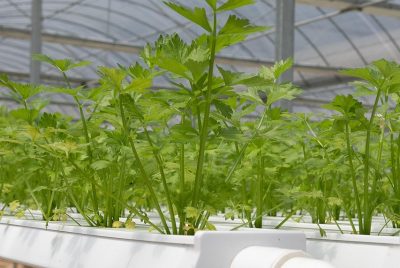
In an NFT system, a thin film of nutrient solution flows continuously over the roots of the plants. It requires less water and allows for a high density of plants in a compact space.
- Pros: Water-efficient; promotes rapid growth.
- Cons: Requires constant monitoring; system failure can lead to plant stress quickly.
Deep Water Culture (DWC)
DWC involves suspending plant roots in a nutrient-rich water solution. An air pump helps provide oxygen to the roots, ensuring they stay healthy.
- Pros: Simple setup; great for beginners.
- Cons: Requires careful oxygen management.
Ebb and Flow Systems
These systems periodically flood the plant trays with nutrients before draining the solution back into a reservoir. This cyclic process allows roots to absorb nutrients while also getting exposed to oxygen.
- Pros: Can support a variety of plants; relatively straightforward.
- Cons: Potential for overwatering if not timed effectively.
Aeroponics
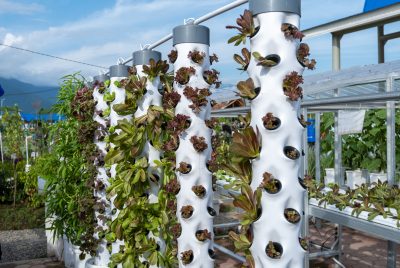
In an aeroponic setup, plants are suspended in the air while nutrient solution is misted onto their roots. This method promotes vigorous growth and uses the least amount of water.
- Pros: Very efficient use of space and water.
- Cons: Higher initial setup costs; requires careful monitoring.
Getting Started With Your Hydroponic Setup
Now that you have an understanding of what hydroponics is all about and the different systems available, it’s time to get started on your own setup.
Step 1: Choose Your System
Decide on the hydroponic system that best suits your needs, space, and level of expertise. Consider what crops you want to grow and how much time you can dedicate to maintenance.
Step 2: Gather Your Supplies
Here’s a basic list of supplies you might need:
- Hydroponic system (choose from the aforementioned types)
- Nutrient solution
- Growing medium
- Seeds or seedlings
- Grow lights (if necessary)
- pH test kit and EC meter
- Water pump and air pump (if using DWC or NFT)
Step 3: Set Up Your System
Follow the manufacturer’s instructions to assemble your chosen hydroponic system. Be mindful of optimizing light exposure and ensuring proper drainage.
Step 4: Start Growing
Once everything is set up, plant your seeds or seedlings in the chosen growing medium. Keep an eye on the water levels and nutrient solution concentrations.
Step 5: Monitor and Maintain
Regularly check pH levels, nutrient concentrations, and overall plant health. Make adjustments as necessary to ensure your plants thrive.

This image is property of pixabay.com.
Common Plants For Your Hydroponic Setup
You might wonder what types of plants are well-suited for hydroponic setups. Some popular choices include:
| Plant | Best Features |
|---|---|
| Lettuce | Quick growth; easy to manage |
| Basil | Great flavor; low maintenance |
| Strawberries | Thrives in hydroponics; highly rewarding |
| Tomatoes | Good production when supported properly |
| Peppers | Adds color and flavor; fairly simple to grow |
Experiment with different crops and discover what works best for you!
Troubleshooting Your Hydroponic Setup
Just like any gardening endeavor, hydroponics can present challenges. Here are some common issues you might encounter and tips on how to handle them.
Nutrient Deficiencies In Your hydroponic setup
If you notice yellowing leaves or stunted growth, your plants might be lacking essential nutrients. Test your nutrient solution’s concentration and adjust accordingly.
Algae Growth
Algae can thrive in nutrient solutions that are exposed to light. Ensure your reservoir is covered and consider using opaque containers.
Root Rot
Overly wet conditions can lead to root rot. Make sure your system provides adequate aeration and monitor the water levels closely.
Pests and Diseases
Even without soil, pests can still find their way into your hydroponic garden. Regularly inspect your plants and use natural pest deterrents to maintain a healthy environment.

This image is property of pixabay.com.
Expanding Your Hydroponic Knowledge
If you want to further enhance your hydroponic gardening skills, plenty of resources are available to help you. Consider joining online forums, reading books, or attending workshops. Engaging with a community of other hydroponic enthusiasts can open your eyes to new techniques and insights.
Books and Online Resources
Here are some recommended resources for deepening your understanding of hydroponics:
- “Hydroponic Food Production” by Howard M. Resh: This comprehensive book provides a solid foundation for anyone interested in hydroponics.
- Online Courses: Websites like Udemy and Coursera offer various courses focused on hydroponics and sustainable growing practices.
- Local Gardening Clubs: Join gardening clubs or community groups to connect with fellow enthusiasts.
Conclusion On A Hydroponic Setup
Embracing a hydroponic setup could be one of the most rewarding gardening experiences you undertake. With versatility, space efficiency, and the satisfaction of growing your own fresh produce, it can be a great addition to your lifestyle. Whether you’re growing herbs on your kitchen counter or scaling up for more extensive cultivation, hydroponics provides you with endless possibilities.
Take your time to plan, set up, and begin caring for your plants, and you might be amazed at the results. With a little practice and attention, you’ll be well on your way to enjoying your homegrown bounty. Happy gardening!