Hydroponic Plant Pots

Have you ever considered growing plants without soil? Imagine cultivating vibrant flowers, fresh vegetables, or aromatic herbs right in your kitchen or backyard using innovative methods. Hydroponic plant pots make this possible, offering a unique and efficient way to nourish your plants while conserving resources.

This image is property of pixabay.com.
What are Hydroponic Plant Pots?
Hydroponic plant pots are specially designed containers that allow plants to grow in a nutrient-rich water solution instead of traditional soil. This method is not only effective but also has numerous advantages over conventional gardening.
In hydroponics, plants receive all necessary nutrients through the water, which circulates around their roots. This method can lead to faster plant growth and higher yields, making it an attractive option for both hobbyists and commercial growers alike.
The Benefits of Using Hydroponic Plant Pots
1. Space Efficiency
Living in a small apartment or urban setting can make traditional gardening challenging. Hydroponic plant pots are compact and can be set up virtually anywhere—balconies, countertops, or even in a closet with the right grow light.
This means that you can enjoy a mini-garden without needing much space, thus enabling urban gardening enthusiasts to flourish.
2. Water Conservation
Did you know that hydroponics can use up to 90% less water than conventional soil gardening?
With hydroponic systems, the water is recirculated and reused, minimizing waste. This makes it an excellent choice for regions with limited water Resources or for anyone who wants to be more environmentally conscious.
3. Faster Growth Rates
Plants grown in hydroponic systems have been shown to grow significantly faster than their soil counterparts.
Because the plants absorb nutrients directly from the water, they can focus more energy on growing rather than searching for nutrients in the soil. This can lead to quicker harvest times and potentially higher yields.
4. No Soil Pests and Diseases
One of the most significant challenges of traditional gardening is dealing with soil-borne pests and diseases.
With hydroponics, you eliminate the soil entirely, which means you’re also removing the risk of pests that typically thrive in soil. This leads to healthier plants and a more reliable harvest.
Types of Hydroponic Plant Pots
Hydroponic systems come in various types, each with its advantages. Understanding the different types can help you choose the right one for your gardening needs.
1. Deep Water Culture (DWC)
In deep water culture, plants are suspended in a nutrient-rich water solution, with an air pump providing necessary oxygen to the roots.
This method allows for rapid growth and is often used for growing leafy greens and herbs. It’s simple, effective, and ideal for beginners seeking an easy introduction to hydroponics.
2. Nutrient Film Technique (NFT)
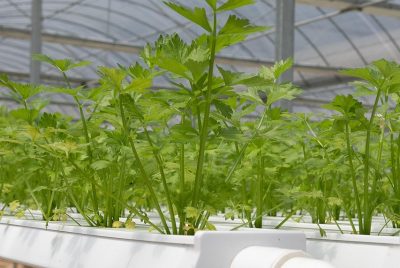
Nutrient film technique involves a thin film of nutrient-laden water continuously flowing over the roots of the plants.
This system allows for excellent oxygenation while providing the plants with essential nutrients. It’s typically used for fast-growing plants like lettuce and basil and requires careful monitoring of water levels.
3. Aeroponics
In aeroponic systems, plants are suspended in the air and misted with a nutrient solution at regular intervals.
This method promotes exceptional growth rates due to the high oxygen availability, making it a favorite among more experienced hydroponic growers. However, it requires precise equipment and alert management.
4. Ebb and Flow (Flood and Drain)
Ebb and flow systems periodically flood the plant roots with nutrient-rich water and then drain it back into a reservoir.
This allows the roots to absorb nutrients while also preventing them from sitting in water for too long, which can cause rot. It’s a versatile system suitable for various plants.
Choosing the Right Hydroponic Plant Pot
Selecting the right hydroponic plant pot can significantly affect your gardening success. Here are some guiding factors to consider.
1. Plant Type
Different plants thrive better in certain hydroponic systems.
For example, leafy greens like lettuce may prefer the DWC system, while herbs like parsley might do well in an NFT setup. Understand the requirements of the plants you wish to grow before choosing your pot.
2. Available Space
Consider the area you’re working with.
If you’re limited on space, smaller systems or vertical pots might be the best fit. Ensure your chosen system aligns with the location and your available space to promote the plants’ growth effectively.
3. Budget
Hydroponic systems can vary widely in price.
If you’re just starting, look for an entry-level system that fits your budget. As you become more experienced, you can invest in larger and more complex setups.
4. Maintenance Requirements
Different systems require varying levels of maintenance.
Consider how much time you can commit to caring for your hydroponics before selecting a pot. Systems like DWC may be more troubleshooting-heavy, while others like Ebb and Flow allow for a more hands-off approach once set up correctly.

This image is property of pixabay.com.
Setting Up Your Hydroponic Plant Pot
Once you’ve chosen your hydroponic system, it’s time to set it up for success.
1. Gather Materials
Collect all the necessary materials you’ll need for your hydroponic setup. This typically includes:
- Hydroponic plant pots
- Grow lights (if indoors)
- Nutrient solution
- Water (preferably distilled or filtered)
- Air pump and air stone (for DWC systems)
- Timer (for automated systems)
Make sure you have everything on hand to make the setup process smooth.
2. Prepare the Nutrient Solution
Follow the manufacturer’s instructions for mixing your nutrient solution.
The concentration of nutrients is crucial as too much can harm your plants while too little can hinder their growth. Regularly check and adjust pH levels to maintain a healthy growing environment.
3. Plant Seeds or Transplants
Depending on your chosen method, you can plant seeds or transplants directly into the hydroponic pots.
With smaller seeds, it’s usually best to start them in germination cubes or pods before introducing them into the hydroponic system.
4. Monitor Growth Conditions
Regularly check your system’s growth conditions—this includes water levels, pH balance, and nutrient concentrations.
Hydroponics can demand close attention, so don’t shy away from inspecting your plants and system regularly to ensure they are thriving.
Common Mistakes to Avoid with Hydroponic Plant Pots
While hydroponic gardening is an exciting venture, it’s essential to be aware of common pitfalls that can hinder your success.
1. Overwatering or Underwatering
While it’s crucial to provide enough water, you must also ensure that excess water does not harm the roots.
In systems like DWC, make sure they’re adequately aerated and check that the roots aren’t sitting in stagnant water.
2. Inconsistent Nutrient Levels
Failure to maintain consistent nutrient levels can lead to slow growth or even plant death.
Be diligent about monitoring your nutrient solution, adjusting concentrations, and maintaining proper pH levels for your plants’ sake.
3. Ignoring Light Requirements
Plants still need light to grow, even in hydroponic systems.
Ensure you’re providing sufficient light using grow lights if you are indoors. Each plant species has unique light requirements, so factor this in while setting up your system.
4. Neglecting Temperature and Humidity
Monitoring temperature and humidity levels is also critical for plant health.
Too high or too low humidity can cause issues like mold or poor growth, while temperature should ideally be kept consistent according to the plant type’s needs.

This image is property of pixabay.com.
Advanced Hydroponic Techniques
As you become more comfortable with hydroponics, you might want to consider advanced techniques for optimizing your growing process.
1. Using a Hydroponic Nutrient Calculator
A hydroponic nutrient calculator can help you deliver precise nutrient ratios for your plants.
This is especially beneficial for commercial growers looking for maximum yields and growth rates.
2. Vertical Hydroponics
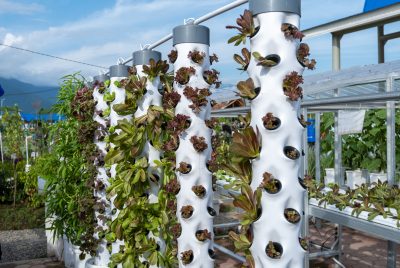
Vertical hydroponic systems utilize vertical space, allowing multiple layers of pots to grow plants.
This method is great for maximizing space in small environments, providing you with a bountiful harvest without needing expansive gardening areas.
3. Automated Systems
Incorporating automation using timers and sensors can simplify the process.
Automated water timers and pH sensors help you maintain optimal conditions without constant monitoring, allowing you to enjoy gardening without the constant hands-on approach.
4. Companion Planting in Hydroponics
Implementing companion planting strategies, where specific plants benefit from one another, can increase yields and promote health.
Research which plants fare well together in hydroponic systems, and you could find great success growing them side by side.
Conclusion
Growing plants in hydroponic plant pots can be an enjoyable and rewarding venture. Whether you’re looking to cultivate fresh herbs for your meals, vibrant flowers for your home, or nutritious vegetables, hydroponics offers you an efficient and effective way to do so.
By understanding the various types of hydroponic systems, choosing the right pots, and avoiding common mistakes, you can create a thriving indoor or outdoor garden. Happy gardening!