Hydroponic Nutrients

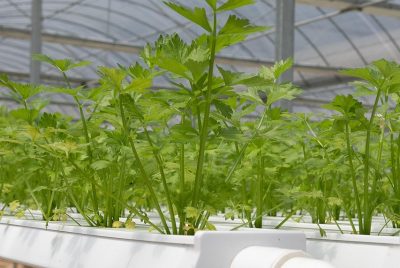
Have you ever wondered what keeps plants healthy and thriving in a hydroponic system? The answer, is hydroponic nutrients.
Understanding Hydroponic Nutrients
In hydroponic gardening, nutrients are vital. Since you’re not using soil, you need to provide plants with all the essential nutrients they would typically derive from the ground. Understanding these nutrients will ensure your plants grow strong and yield a fruitful harvest.
What Are Hydroponic Nutrients?
Hydroponic nutrients are a mixture of essential elements needed to promote the growth of plants in a soilless environment. These nutrients come in both liquid and powder forms and are specifically formulated for hydroponic systems.
Types of Nutrients
There are two main categories of nutrients: macronutrients and micronutrients.
Macronutrients
These are the nutrients that plants require in larger quantities. They include:
- Nitrogen (N): Essential for growth; it plays a key role in chlorophyll production.
- Phosphorus (P): Important for energy transfer and photosynthesis, promoting root development.
- Potassium (K): Regulates water uptake and is crucial for fruit and flower development.
- Calcium (Ca): Supports structural integrity and helps prevent blossom-end rot.
- Magnesium (Mg): A key component of chlorophyll and vital for photosynthesis.
- Sulfur (S): Important for protein synthesis and enzyme function.
Micronutrients
These are required in smaller quantities, but they are no less vital. Micronutrients include:
- Iron (Fe): Essential for chlorophyll synthesis.
- Manganese (Mn): Involved in photosynthesis and helps activate enzymes.
- Zinc (Zn): Important for growth hormone production and enzyme function.
- Copper (Cu): Aids in photosynthesis and respiration.
- Boron (B): Important for cell wall formation and reproductive growth.
- Molybdenum (Mo): Helps in nitrogen fixation and protein synthesis.
Importance of Nutrient Ratios
The right ratios of these nutrients are crucial for your plants’ health. Different stages of plant growth will require different ratios of nutrients. For instance, during the vegetative stage, a higher nitrogen ratio is beneficial, while the flowering stage often requires more phosphorus and potassium.
Commercial vs. Homemade Nutrients
You have options when it comes to sourcing your nutrients.
Commercial Hydroponic Nutrients
Many commercial products are available specifically for hydroponics. These nutrients are often well-balanced and designed to meet the specific needs of various plants.
Homemade Hydroponic Nutrients
If you prefer a more hands-on approach, you might consider mixing your own nutrient solutions using various sources such as:
- Fish emulsion
- Seaweed extract
- Organic compost tea
Homemade nutrients can be cost-effective and tailored to your plants’ specific needs, but you’ll need to ensure you’re meeting all their nutritional requirements.
Setting Up Your Hydroponic Nutrient Solution
Getting your nutrient solution right is an essential step in hydroponic gardening. Here’s how you can do it.
Choosing Your Hydroponic Nutrient Formula
Start by selecting a nutrient formula that suits the type of plants you are growing—vegetables, fruits, or flowers. Each category might have different nutrient preferences.
Mixing Your Nutrient Solution
- Calculate Ratios: Depending on the growth stage, calculate the appropriate ratios of macronutrients and micronutrients.
- Mix with Water: Use dechlorinated water for mixing. Tap water might contain harmful chemicals that can affect plant growth.
- Follow Instructions: When using commercial nutrients, always follow the manufacturer’s instructions for mixing ratios.
Monitoring pH and EC Levels
An often-overlooked aspect of nutrient management is monitoring the pH and electrical conductivity (EC) of your nutrient solution.
pH Levels
The pH level affects nutrient availability. The ideal pH range for most hydroponic plants is between 5.5 and 6.5. If the pH is too high or too low, your plants may suffer nutrient deficiencies.
Electrical Conductivity (EC)
The EC level gives you an idea of the concentration of nutrients in the solution. An optimal EC level varies by plant type, but generally, most plants thrive within the range of 1.5 to 2.5 mS/cm.
Adjusting Hydroponic Nutrient Solutions
With time, you may need to adjust the nutrient concentrations based on plant performance:
- Yellowing leaves may indicate nitrogen deficiency.
- Brown leaf tips could mean over-fertilization or a buildup of salts.
- Slow growth might suggest you need to adjust either your nutrients or your pH levels.

This image is property of pixabay.com.
Hydroponic Nutrient Delivery Systems
Understanding how to deliver nutrients to your plants effectively is also important.
Hydroponic Systems Overview
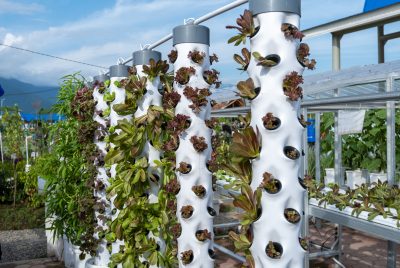
While there are various hydroponic systems, they all need a way to deliver nutrients to your plants. Some of the popular systems include:
- Nutrient Film Technique (NFT): A thin film of nutrient solution flows over plant roots.
- Deep Water Culture (DWC): Plant roots are submerged in nutrient-rich oxygenated water.
- Ebb and Flow (Flood and Drain): Nutrient solution is periodically flooded to the plant roots and then drained.
Best Practices for Nutrient Delivery
- Consistency in Delivery: Ensure that plants receive a consistent flow of nutrients.
- Regularly Change Solutions: Change your nutrient solution every two weeks or as needed, to prevent the buildup of harmful pathogens.
- Avoid Over-Crowding: Give each plant enough space to absorb nutrients without competition.
Signs of Nutrient Deficiencies
Recognizing signs of nutrient deficiencies can help you take swift action to rectify the situation. Each nutrient deficiency comes with its own set of symptoms.
Macronutrient Deficiencies
- Nitrogen Deficiency: Yellowing older leaves; stunted growth.
- Phosphorus Deficiency: Dark green leaves with purple hues; poor root development.
- Potassium Deficiency: Yellowing on leaf edges; browning or curling leaves.
Micronutrient Deficiencies
- Iron Deficiency: Yellowing between leaf veins, usually starting with the younger leaves.
- Magnesium Deficiency: Interveinal chlorosis; older leaves curling and browning.

This image is property of pixabay.com.
Hydroponic Nutrients: Adjusting to Different Plants
Different types of plants might have unique nutrient requirements.
Leafy Greens
Plants like lettuce and spinach often need a high-nitrogen nutrient solution for optimal growth.
Fruiting Plants
Tomatoes and peppers typically benefit from a nutrient solution higher in phosphorus and potassium, especially during the flowering and fruiting stages.
Flowering Plants
For flowering plants, consider using a nutrient mix rich in potassium and magnesium to encourage robust blooming.
Common Mistakes to Avoid With Hydroponic Nutrients
Even experienced hydroponic gardeners can make mistakes. Steering clear of these common pitfalls can save you time and frustration.
Over-Fertilization With Hydroponic Nutrients
Adding too many nutrients can lead to nutrient burn. Always start with lower concentrations and adjust as needed.
Ignoring Water Quality
Using chlorinated water can harm beneficial bacteria and your plants’ health. Always use filtered or dechlorinated water.
Neglecting Maintenance
Regularly monitor your nutrient solution’s pH and EC levels. Neglecting this step can lead to undesired plant growth.

This image is property of pixabay.com.
Conclusion
Hydroponic nutrients are the secret sauce to successful soilless gardening. Knowing how to balance and deliver these nutrients not only promotes healthier plants but also leads to bountiful yields. Being attentive to your plants’ needs and making necessary adjustments will turn your hydroponic garden into a thriving oasis.
Keep learning, stay curious, and soon enough, you’ll find your green thumb thriving more than ever. There’s no limit to how lush and productive your garden can become with the right nutrient knowledge!