Hydroponic Agriculture – Revolutionizing Food Production
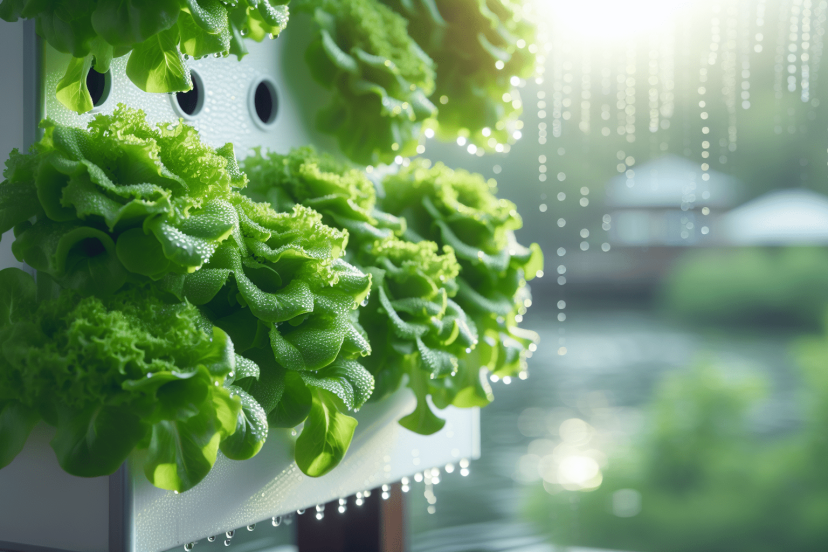
Have you ever thought about how much control we can have over our food production? Hydroponic Agriculture could be the solution!
Understanding Hydroponic Agriculture
Hydroponic agriculture is an innovative method of growing plants without soil. Instead of relying on earth, this technique uses nutrient-rich water solutions to provide everything plants need to thrive. This modern approach is transforming the way we think about farming and food production, offering a sustainable and efficient alternative to traditional methods.
What is Hydroponics?
Hydroponics is built on the concept that plants can absorb nutrients from water. By suspending plants in a nutrient solution, you eliminate the need for soil altogether. This method allows for greater control over the growing environment, which can enhance growth rates and yields.
The Different Types of Hydroponic Systems
There are several hydroponic systems that cater to various types of plants and growing conditions. Here’s a brief overview of the most common ones:
| Hydroponic System Type | Description |
|---|---|
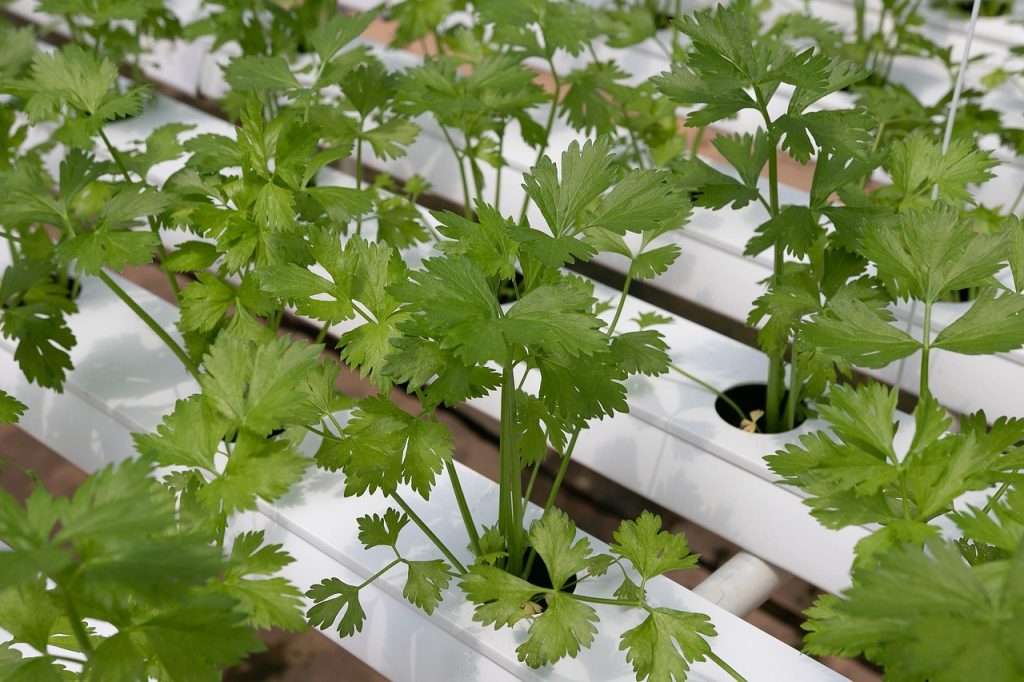
| Nutrient Film Technique (NFT) | A thin film of nutrient solution flows over the roots, allowing plants to absorb moisture and nutrients. |
| Deep Water Culture (DWC) | Plants are suspended in a nutrient solution, with their roots submerged in the water, promoting rapid growth. |
| Ebb and Flow (Flood and Drain) | The growing area is flooded with nutrient solution at intervals, then drained, allowing roots to absorb nutrients and oxygen. |
| Aeroponics | Roots are suspended in air and misted with a nutrient solution, maximizing oxygen exposure for plants. |
| Wick System | A simple passive method where wicking materials draw nutrient solution to the roots from a reservoir. |
Choosing the right system depends on your space, budget, and the types of plants you wish to grow. Each system has its own benefits and challenges, which you should consider in your planning.
This image is property of pixabay.com.
Benefits of Hydroponic Agriculture
Hydroponic agriculture presents a myriad of advantages that can change the landscape of farming. From space-saving techniques to environmental benefits, this method can be a win-win for both producers and consumers.
Space Efficiency
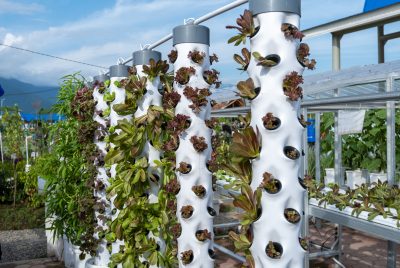
One of the most remarkable features of hydroponics is the space efficiency it offers. Plants can be grown in vertical farms, making it possible to produce more food in a smaller area. This is particularly beneficial in urban settings where land is at a premium.
Water Conservation
Hydroponics uses significantly less water than traditional soil farming. The water in hydroponic systems is recirculated, leading to a reduction in overall consumption. In areas where water is scarce, this method can help alleviate some of the stress on natural water resources.
Faster Growth Rates
Plants grown hydroponically often grow faster than those grown in soil. This is due to the optimized conditions, such as controlled nutrient delivery and environmental factors like light and temperature. You’ll be amazed at how quickly you can harvest fresh produce.
No Pesticides Needed
Hydroponic systems can reduce or eliminate the need for pesticides. Because the growing environment is so controlled, the occurrence of pests and diseases is minimized. This means your plants can grow healthier and you can enjoy safer produce.
Challenges of Hydroponic Agriculture
While hydroponics presents remarkable benefits, it’s not without its challenges. Understanding these challenges can help you make informed decisions about whether this method is right for you.
Initial Setup Costs
Setting up a hydroponic system can be expensive. You’ll need to invest in equipment, nutrient solutions, and various growing media. However, many people find that the long-term savings and benefits outweigh the initial financial outlay.
Technical Knowledge Required
Hydroponics requires a certain level of technical knowledge. You’ll need to understand how to mix nutrient solutions, maintain pH levels, and monitor the plants’ health. If you’re willing to learn, the rewards can be significant.
Hydroponic Agriculture – System Failures
Hydroponic systems can sometimes fail, whether due to pump malfunctions or nutrient imbalances. Such failures can jeopardize an entire crop if not caught in time. Regular maintenance and monitoring are key to preventing issues and ensuring success.
Hydroponic Crops: What Can You Grow?
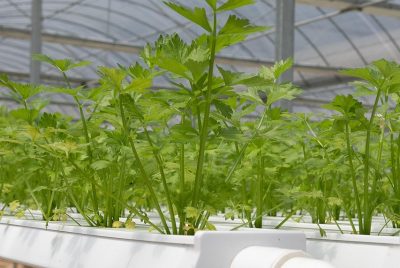
One of the exciting aspects of hydroponic agriculture is the variety of crops you can grow. While leafy greens and herbs are the most popular, the possibilities extend far beyond that.
Leafy Greens
Plants like lettuce, spinach, and kale thrive in hydroponic systems. They have shallow root systems and benefit from the nutrient-rich solutions. You can achieve multiple harvests in a growing season with these fast-growing varieties.
Herbs
Herbs such as basil, cilantro, and mint are perfect for hydroponic systems. These aromatic plants often require specific conditions that hydroponics can easily provide, leading to vibrant flavors and robust growth.
Fruit Vegetables
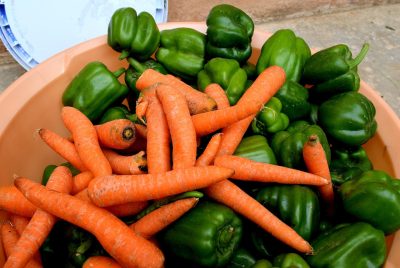
You might be surprised to learn that fruit-bearing plants like tomatoes, cucumbers, and peppers can also grow in hydroponic systems. They may require more care and space, but the sweet rewards are worthwhile.
Flowers
Did you know you can also grow flowers hydroponically? Varieties like orchids, geraniums, and even roses can flourish in nutrient solutions. This opens up unique opportunities for both personal enjoyment and commercial ventures.

This image is property of pixabay.com.
Choosing the Right Hydroponic System for You
Finding the right hydroponic system for your needs can be a fun process. Assessing factors such as space, budget, and what you want to grow will help narrow down your options.
Space Considerations
Consider how much space you have available. Vertical systems can greatly increase your yield per square foot, making them suitable for smaller spaces. Alternatively, larger systems may be found in dedicated urban farms or greenhouses.
Hydroponic Agriculture Budget
Your budget will play a critical role in determining which hydroponic system to pursue. Simple setups can be constructed at a lower cost, while more advanced systems with sophisticated technology will require a higher investment. Analyze your goals to align your spending accordingly.
Desired Crops
Think about the types of plants you want to grow. Different systems excel with particular crops, so your choices should reflect your preferences. Researching the requirements of these plants will guide you in selecting a compatible system.
The Future of Hydroponic Agriculture
With ongoing advancements in technology, hydroponic agriculture has an encouraging future ahead. From smart systems that automate growing processes to urban farming initiatives, the horizon is bright.
Smart Hydroponics
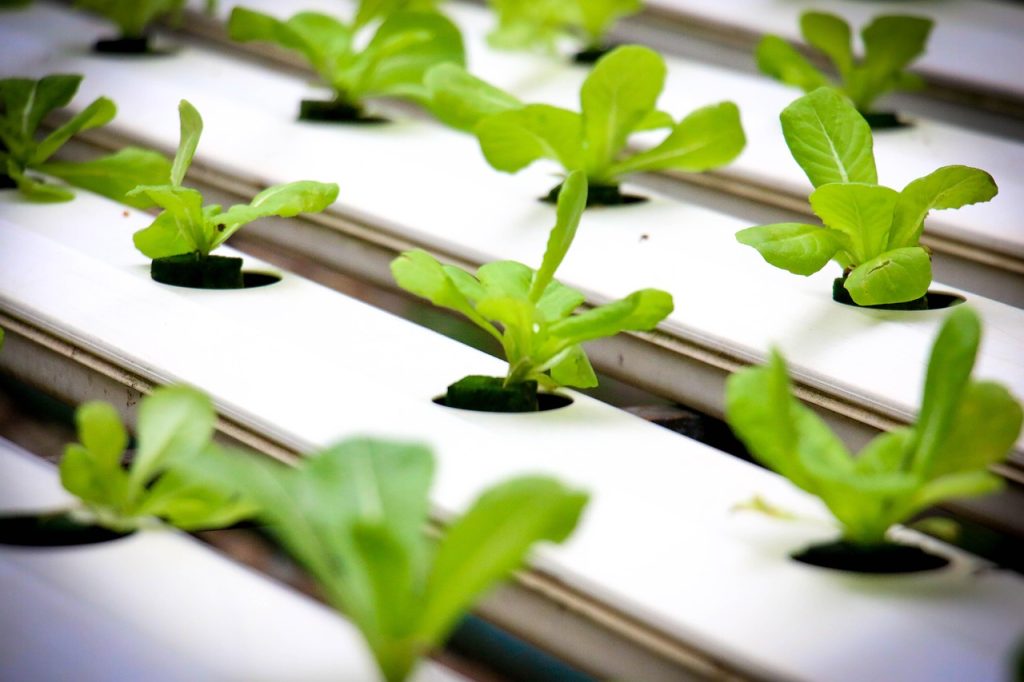
The integration of technology into hydroponics is becoming increasingly popular. Smart hydroponic systems can monitor various factors such as nutrient levels, pH, and environmental conditions, allowing for real-time adjustments. This automation minimizes labor and maximizes efficiency.
Urban Farming Initiatives with Hydroponic Agriculture
As cities grow, so does the need for local food production. Urban farming initiatives utilizing hydroponics can help meet the demand for fresh produce, reduce transportation costs, and promote sustainability. You can be a part of this exciting movement, supporting local agriculture right in your neighborhood.
Global Food Security
Hydroponics has the potential to play a pivotal role in global food security. With population growth and climate change challenges, innovative farming methods like hydroponics can offer solutions to produce sufficient food in diverse conditions. By using this method, you’ll be contributing to a more sustainable future.
This image is property of pixabay.com.
Getting Started with Hydroponics
Are you feeling inspired to start your hydroponic journey? It’s easier than you might think! Here’s a simple guide to help you kick off your hydroponic adventure.
Research and Planning
Start by researching the type of hydroponic system that resonates with you. Consider what crops you would like to grow and the space you have available. Spend time reading articles, watching videos, and soaking up information.
Gather Hydroponic Agriculture Materials
Once you’ve decided, it’s time to gather your materials. Depending on your chosen system, you may need items like containers, growing media, nutrient solutions, and a light source if you plan to grow indoors.
Setup Your Hydroponic Agriculture System
Follow the instructions for your specific hydroponic system to set it up. Pay careful attention to assembly, ensuring everything is installed correctly. Once it’s ready, you’re set to fill your reservoir with water mixed with nutrient solutions.
Plant Your Seeds
With your system in place, you can sow your seeds or place seedlings into the growing medium. Monitor their progress closely, observing their growth and health.
Maintenance and Monitoring
Hydroponic systems require regular maintenance. Ensure the nutrient balance, pH levels, and water levels are monitored consistently. Additionally, keep an eye out for any signs of pests or diseases that could threaten your plants.
Conclusion
Transforming the way we think about food production is not only exciting but necessary as we navigate the challenges posed by a growing population and environmental concerns. Hydroponic agriculture offers a practical solution, allowing you to partake in sustainable farming practices that maximize yield while minimizing resource use.
Starting your hydroponic journey can be a rewarding experience that connects you to nature and enhances your understanding of food production. With the knowledge you’ve gained here, you’re now equipped to make informed decisions and embrace the future of agriculture!