Exploring the Benefits of Using a Hydroponics Kit
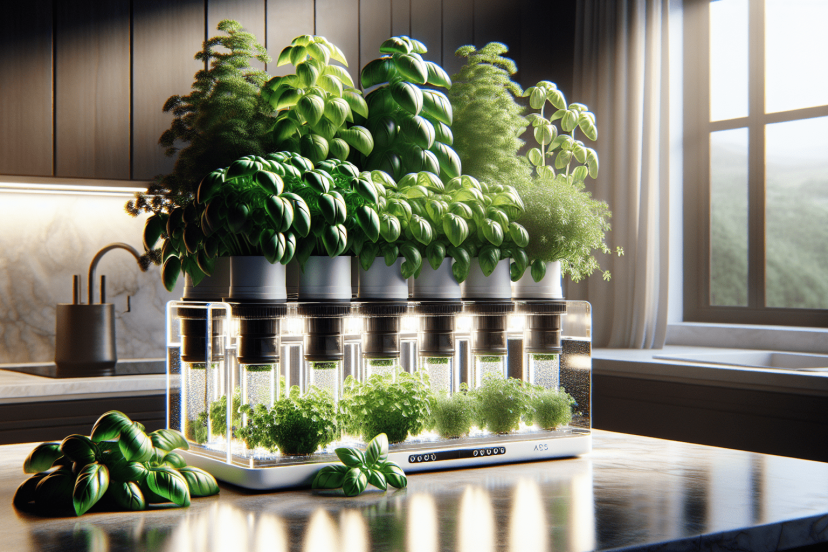
Have you ever considered how you could grow fresh, delicious produce right in your own home without the hassle of traditional soil gardening? If so, hydroponics might be the answer you’re looking for. Using a hydroponics kit can transform your gardening experience, providing numerous benefits that might just surprise you.
What is Hydroponics?
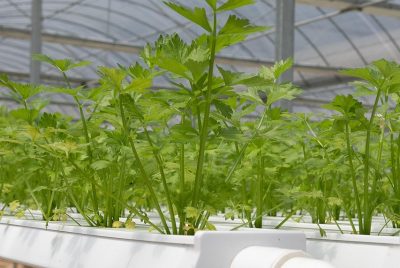
Hydroponics is a method of growing plants without soil. Instead, you use a nutrient-rich water solution to support plant growth. This technique offers several advantages over traditional gardening practices, making it appealing for gardeners of all experience levels.
The Basics of Hydroponic Systems
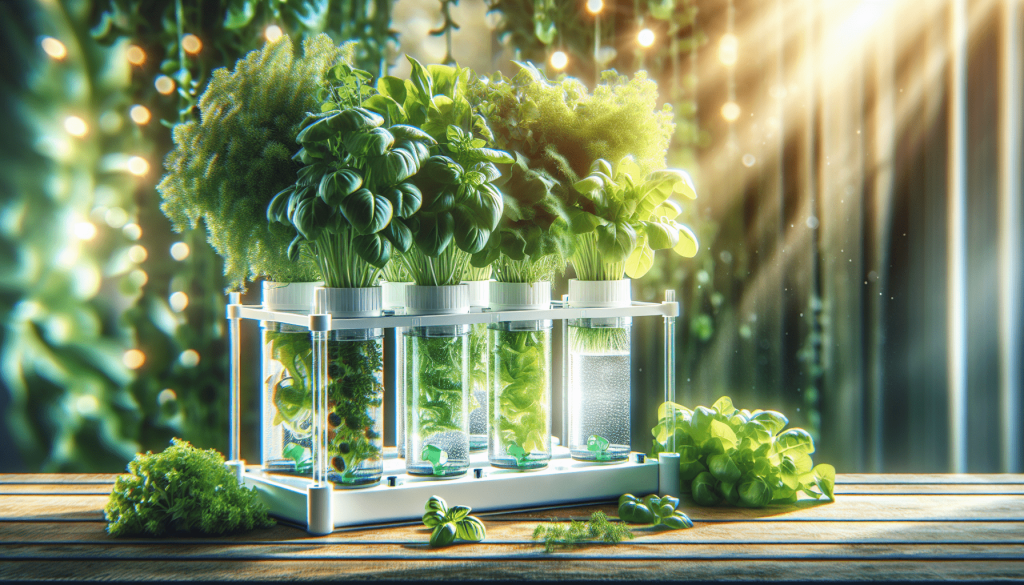
In hydroponics, you’re essentially creating an environment where plants can thrive using water, nutrients, and sometimes grow lights. The process typically includes several key components, such as:
- Nutrient Solution: A mixture of water and essential nutrients that plants need to grow.
- Grow Medium: Materials like clay pellets, rock wool, or coconut coir that support plant roots.
- Water Pump: Circulates the nutrient solution to ensure even distribution.
- Air Pump: Provides oxygen to the roots, which is crucial for healthy growth.
These components come together to create a system that not only nourishes plants but also minimizes traditional gardening’s challenges.
Benefits of Using a Hydroponics Kit
Using a hydroponics kit can come with plenty of perks. Let’s break down some of the most notable benefits.
Space Efficiency
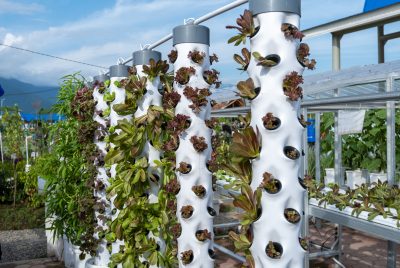
If you have limited space, a hydroponics kit is perfect for you. With vertical garden designs and compact systems, you can grow a substantial amount of food in a small area, such as your kitchen or balcony.
Faster Growth Rates
Plants grown in Hydroponic systems tend to grow faster than their soil-grown counterparts. This is largely due to the oxygenation of the roots and direct access to nutrients. Many gardeners report 30% faster growth!
Year-Round Gardening
No need to wait for the right season! Hydroponics allows you to grow produce year-round, regardless of outdoor weather conditions. You’ll enjoy fresh herbs and vegetables at any time, making meal prep more delightful.
Water Efficiency
While it may sound counterintuitive, hydroponics uses significantly less water than traditional gardening. The recirculating system ensures that water is maximized and reused, helping you conserve this precious resource.
Reduced Pest and Disease Issues
Hydroponic systems, especially those kept indoors, face fewer pest problems and diseases since there’s no soil. By maintaining a clean environment and practicing good hygiene, you can minimize the need for chemical pest control.
Customization of Nutrient Solutions
You have control over the nutrient solution your plants receive, allowing you to tailor it to suit specific plant needs. This control can lead to healthier plants and higher yields.
Choosing the Right Hydroponics Kit
With so many options available, choosing the right hydroponics kit can feel overwhelming. Here’s a simple breakdown of different types of kits to help you make an informed decision.
Deep Water Culture (DWC)
In a DWC system, plants’ roots are submerged in a nutrient-rich solution.
- Advantages: Simple setup, quick growth.
- Disadvantages: Requires careful monitoring of oxygen levels.
Nutrient Film Technique (NFT)
This hydroponic technique involves a thin film of nutrient solution running over the roots of the plants.
- Advantages: Efficient nutrient use, lower system volume.
- Disadvantages: Risk of pump failure, requires precise adjustments.
Ebb and Flow (Flood and Drain)
In this system, the grow tray is periodically flooded with the nutrient solution before draining back into a reservoir.
- Advantages: Fits various plant types, supports strong root growth.
- Disadvantages: More complex setup, potential for overflow issues.
Aeroponics
In an aeroponic system, plants are suspended in air, and the roots are misted with a nutrient solution.
- Advantages: Highly efficient growth, excellent oxygenation.
- Disadvantages: Higher initial cost, requires more maintenance.
Wick System
This is the simplest form of hydroponics, relying on wicks to draw up the nutrient solution from a reservoir to the plants.
- Advantages: Easy to set up, low cost.
- Disadvantages: Limited growth potential for larger plants.
By considering your available space, budget, and gardening goals, you can choose the best hydroponics kit suited for your lifestyle.
Setting Up Your Hydroponics Kit
Once you have chosen a hydroponics kit, setting it up involves a few straightforward steps.
Gather Your Supplies
Make sure you have all necessary components before beginning assembly, including:
- Hydroponic kit
- Nutrient solution
- Grow medium
- Seeds or seedlings
- Water
Assemble the System
Follow the instructions provided with your kit carefully. Ensure the water reservoir, grow tray, and any pumps are securely connected.
Prepare the Nutrient Solution
Mix the nutrient solution according to the guidelines. Remember that each type of plant may have different nutritional needs, so be sure to research this.
Planting
Place your seeds or seedlings into the grow medium. Make sure they are secure and receiving the right amount of light based on the needs of the plants you’re growing.
Monitor and Maintain
Once your system is up and running, keep an eye on factors like pH levels, water temperature, and nutrient concentration. Regularly check for pests and sterilize your equipment as necessary.
Common Challenges and How to Overcome Them
Even with all the benefits, hydroponics is not without its challenges. Being prepared can help you navigate any issues that arise.
Algae Growth
Algae thrives in humid conditions. To prevent it, keep the nutrient reservoir covered and consider using light-blocking materials.
pH Imbalance
Maintaining a balanced pH (typically around 5.5-6.5) is vital. Purchase a pH testing kit and adjust using pH up/down products as necessary.
Nutrient Deficiency
Watch for signs of nutrient deficiencies, such as yellowing leaves. Adjust your nutrient solution to ensure your plants are receiving all essential elements.
Root Rot
Overwatering can lead to root rot. Ensure your system provides sufficient airflow to the roots and monitor water levels.
The Nutritional Benefits of Hydroponically Grown Produce
One of the most compelling reasons to use a hydroponics kit is the nutrition of the produce you’ll grow. Hydroponically grown fruits and vegetables often have remarkable nutritional profiles.
Improvement in Quality
Plants grown in a controlled environment can achieve optimal growth conditions, resulting in better taste and nutritional value. Hydroponic produce is packed with vitamins and minerals, often outperforming its soil-grown counterparts.
Higher Antioxidant Levels
Some studies suggest hydroponically grown plants may have higher levels of antioxidants. These compounds are critical in fighting free radicals, potentially reducing the risk of chronic diseases.
Chemical-Free Options
You can easily control the environment in a hydroponics system, reducing the need for harmful pesticides and chemicals. This leads to cleaner, healthier produce.
Hydroponics and Sustainability
Hydroponics isn’t just beneficial for you; it also presents sustainable options for food production.
Reduced Carbon Footprint
By growing your own food, you cut down on the transportation emissions associated with store-bought produce. This simple shift plays a part in reducing your overall carbon footprint.
Conservation of Resources
Hydroponics uses significantly less water than traditional farming, promoting conservation efforts that are increasingly crucial in today’s climate.
Urban Agriculture
Hydroponics is a fantastic solution for urban areas where traditional farming might not be feasible. Growing food in cities reduces food deserts and enhances local food security.
Hydroponics Kits for Beginners vs. Advanced Users
Whether you’re just starting out or have some experience under your belt, there’s a hydroponics kit suited for your skill level.
Beginner Kits
For those just starting, look for kits that are easy to assemble and maintain. These typically include:
- Simple setups like Wick Systems or basic DWC.
- Instructional materials to guide you through the process.
- Pre-measured nutrients to take the guesswork out of preparation.
Advanced Hydroponics Kits
If you have more experience or want to experiment with complex systems, consider:
- Aeroponics or NFT systems.
- Kits that allow for customization and expansion.
- Advanced features such as automated systems for monitoring pH and nutrients.
The Future of Hydroponics Kits
Hydroponics kits continue to evolve, with new technologies and practices emerging every day. As urban populations grow and food demand increases, innovative solutions in this field will play a significant role.
Technology Integration
The future will likely see more integration of technology in hydroponic systems, such as:
- Smart sensors for monitoring plant health.
- Apps for mobile gardening management.
- Automated nutrient delivery and environmental controls.
Enhanced Research
Researchers are diving deep into hydroponics, experimenting with different nutrient solutions and growing methods. This research can lead to improved plant varieties and more efficient growing practices.
Getting Involved in the Hydroponics Community
If you find yourself passionate about hydroponics, connecting with others who share your interests can enhance your experience.
Online Forums and Social Media
Join online communities where you can share your experiences, ask questions, and learn from other hydroponics enthusiasts.
Local Workshops and Classes
Consider attending local workshops, classes, or even farm tours that focus on hydroponics. These events can provide hands-on experience and invaluable tips.
Share Your Success
Don’t hesitate to share your own hydroponic adventures! Sharing your successes and challenges can help you connect with others and foster a community of support.
Conclusion
In conclusion, using a hydroponics kit can revolutionize the way you approach gardening. With benefits ranging from space efficiency to improved nutritional value, hydroponics opens up a world of possibilities. Whether you’re a beginner or an experienced gardener, there’s a hydroponics solution that can meet your needs.
So, why not give it a try? Start your hydroponic journey today and enjoy the fresh, vibrant flavors of homegrown produce!