Exploring the Benefits of an Aeroponic Tower for Urban Gardening

What if you could grow fresh vegetables and herbs right in your own home, using minimal space and resources? With the rise of urban gardening, the aeroponic tower has emerged as a popular solution for maximizing yield in compact environments. Let’s take a closer look at the benefits of aeroponic towers and how they can transform your gardening experience.
Understanding Aeroponics
Aeroponics is an innovative growing method that involves suspending plants in an air or mist environment, allowing their roots to absorb nutrients and oxygen directly. Unlike traditional soil gardening, this method minimizes water usage and increases crop productivity. You might wonder how this works — let’s break it down.
The Science Behind Aeroponics
In aeroponic systems, plants are misted with nutrient-rich water at regular intervals. This highly oxygenated mist ensures that the plants receive everything they need to thrive without being rooted in soil. It’s a clean, efficient way to garden that has captured the attention of urban gardeners and environmental enthusiasts alike.
Difference from Hydroponics
While both aeroponics and hydroponics involve growing plants without soil, the key difference lies in how water is delivered to the plants. Hydroponics uses a nutrient solution in a water base, while aeroponics relies on a mist to nourish the plants. This means aeroponics can use significantly less water and space, making it a superior choice for urban settings.
Benefits of an Aeroponic Tower for Urban Gardening
If you’re considering adding an aeroponic tower to your gardening routine, you’ll be pleased to know there are numerous benefits involved. Let’s go through some of these advantages in detail.
Space Efficiency
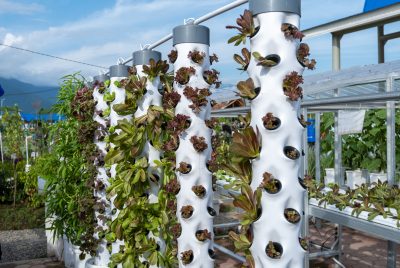
One of the most significant advantages of aeroponic towers is their space efficiency. If you live in a small apartment or home with limited outdoor space, a vertical aeroponic tower allows you to maximize your gardening potential. The vertical nature of these systems means you can grow a variety of plants in a small footprint.
| Aspect | Traditional Gardening | Aeroponic Towers |
|---|---|---|
| Space Required | Large areas needed | Compact design |
| Vertical Growth | Limited | Optimally stacked |
| Crop Yield | Lower | Higher |
Water Conservation
Water scarcity is a growing concern around the world, making the efficient use of water crucial. Aeroponic systems typically use up to 90% less water than traditional gardening methods. The closed-loop system recycles water, so you can enjoy fresh produce while being environmentally conscious.
Aeroponic Tower = Faster Growth Rates
If you’re eager to see results, aeroponic towers might be just the solution you’re looking for. Plants grown in these systems often grow up to 30% faster than those in soil. This rapid growth can be attributed to the optimal environment created by the mist, allowing plants to absorb nutrients more effectively.
Higher Nutrient Absorption
With roots exposed to a mist of nutrients, aeroponic plants can take up nutrients more efficiently than those grown in soil. This means you can yield healthier, more robust crops. You can expect greens that are packed with flavor and nutrition!
Reduced Pest and Disease Issues
Growing plants in an aeroponic tower minimizes the risk of soil-borne diseases and pests. Since there’s no soil involved, you can reduce the need for chemical treatments and fertilizers, making your gardening efforts more sustainable and organic.
Accessibility for Urban Dwellers
Urban gardening can sometimes feel daunting, especially for those new to gardening or limited in experience. Aeroponic towers simplify the process by providing a user-friendly system that makes growing your food more accessible. In most cases, you won’t need a green thumb to enjoy fresh, homegrown produce!
Choosing the Right Aeroponic Tower
Now that you’re convinced of the benefits, you may be wondering how to choose the right aeroponic tower for your needs. Here are some key factors to consider when selecting the best system for you.
Size and Capacity
When choosing an aeroponic tower, think about how much space you have available and what types of plants you’d like to grow. Some models are compact and designed for home use, while others are larger and suitable for community gardens. Be sure to consider the number of plants you wish to cultivate and how much space you can allocate.
Material Quality for your Aeroponic Tower
Make sure the tower you’re considering is made from high-quality, non-toxic materials. These systems should withstand the elements and not leach harmful substances into your plants. Look for options constructed from food-grade plastic or durable aluminum.
Aeroponic Tower Pump and Misting System
Different towers feature various types of pumps and misting systems. You’ll want to choose a unit with a reliable pump to ensure consistent nutrient delivery. Additionally, some systems may allow you to customize the misting intervals — a useful feature for optimizing your plant’s growth rates.
Ease of Assembly
If you’re not particularly handy, you may want to choose an aeroponic tower model that is easy to assemble and set up. Some aeroponic towers come pre-assembled, while others may require more complex installation processes. Reading user reviews and guides can help you find an easy-to-install option.
Cost Considerations
Aeroponic towers can vary widely in price, so it’s essential to find a model that fits your budget while still offering quality and reliability. Remember to factor in any additional costs for purchasing seeds, growing mediums (if needed), and nutrients.
Setting Up Your Aeroponic Tower
Congratulations on your decision to start an urban garden using an aeroponic tower! Now that you’ve chosen a model, here are the essential steps to set it up successfully.
Location Selection
Pick a location that receives enough light, either from natural sunlight or grow lights. Ideally, the site should have easy access to water and electricity for the pump. A balcony, patio, or sunny room would be perfect for positioning your aeroponic tower.
Assembly Process
Follow the manufacturer’s instructions to assemble your aeroponic tower carefully. Most units come with detailed steps and require basic tools for setup. Don’t hesitate to ask for help if you’re unsure about any steps in the process!
Filling the Reservoir
After assembly, you’ll need to set up the reservoir for your nutrient solution. Fill it with water and add the appropriate amount of liquid nutrients according to the manufacturer’s guidelines. This ensures your plants will have the nutrients they need to thrive.
Planting Seeds or Seedlings in an Aeroponic Tower
Now it’s time to plant! Depending on your aeroponic tower design, you may place seeds or seedlings directly into the planting holes. Be sure to follow the recommended spacing for each plant to ensure optimal growth. If you’re starting from seeds, keep in mind that germination may require a bit more care.
Monitoring and Maintenance
Regular monitoring is vital for ensuring your plants remain healthy. Check the water level in the reservoir, pH levels, and nutrient concentration frequently. Additionally, ensure your misting system is functioning correctly and adjust settings as needed.

Common Plants to Grow in an Aeroponic Tower
Are you curious about which plants thrive in aeroponic systems? While many vegetables and herbs can be grown in these towers, here’s a selection that tends to do exceptionally well:
Leafy Greens
- Lettuce: Quick-growing and tolerant of aeroponic systems, lettuce can thrive in various conditions.
- Spinach: Spinach is another nutrient-dense option that does well in misting environments.
- Kale: This superfood loves the nutrients and light provided in aeroponic towers.
Herbs
- Basil: An aromatic herb that’s perfect for cooking and has a fast growth cycle.
- Mint: Mint grows vigorously and can easily adapt to aeroponic systems.
- Parsley: A versatile herb well-suited for vertical growth.
Fruiting Plants
- Cherry Tomatoes: These tasty little fruits are ideal for aeroponic towers, producing a high yield.
- Peppers: Whether sweet or spicy, peppers are another good choice for an aeroponic system.
- Strawberries: You can enjoy fresh, homegrown strawberries when grown aeroponically.
Troubleshooting Common Issues
Like any gardening method, aeroponic systems can experience challenges. Here are some common issues you might face and how to troubleshoot them.
Nutrient Deficiencies when growing with an Aeroponic Tower
If your plants begin to show signs of nutrient deficiencies — such as yellowing leaves or stunted growth — it may be time to check your nutrient levels. Ensure you’re using the correct balance of nutrients for the plants you’re growing, and consider doing a pH test on your solution.
Poor Growth Rates in your Aeroponic Tower
If your plants are not growing as expected, double-check your misting intervals, humidity levels, and overall light exposure. Adjusting these factors can often lead to improvements in growth.
Disease and Pests
Although aeroponic systems minimize the risk of pests and diseases, they are not immune. Keep an eye out for any signs of pests and disease. If you notice issues, consider using organic pest control methods to handle them promptly.

The Future of Urban Gardening with Aeroponic Towers
Urban gardening is more than just a trend; it’s becoming a vital component of sustainable living in cities around the world. As you think about your own garden, consider how aeroponic towers can play a vital role in transforming urban landscapes. By promoting local food production and reducing carbon footprints, these systems can lead to healthier environments.
Sustainability and Environmental Impact
The environmental benefits of aeroponic towers extend beyond just being water-efficient. As urban populations grow, traditional agriculture methods may not be viable. Aeroponic systems can help reduce the carbon footprint associated with transporting food from rural areas to urban centers. Plus, with less reliance on pesticides and fertilizers, these systems promote healthier ecosystems.
Educational Opportunities with an Aeroponic Tower
Urban gardening, particularly with aeroponics, can be an educational tool for communities. Workshops, school programs, and community garden initiatives can teach individuals about sustainable practices and healthy eating. As you engage with your community, you can help create a culture of sustainability.
Personal Empowerment
Finally, growing your food in an aeroponic tower can provide a sense of empowerment and connection to your food source. You’ll take pride in your ability to produce fresh vegetables and herbs in your own home. This connection fosters mindfulness about food consumption and paves the way toward healthier eating habits.
Conclusion
Transforming your lifestyle through urban gardening with aeroponic towers can lead to numerous benefits — from health and sustainability to a greater sense of community. By adapting to this innovative method, you can enjoy fresh produce year-round, no matter the size of your living space. If you have any questions or are simply excited to start your journey into aeroponic gardening, remember that each step brings you closer to a greener, more eco-friendly way of life.
It’s time to fall in love with gardening all over again, and with the benefits of aeroponic towers, you can take the leap into a sustainable future right from your home!