Best Indoor Gardening System
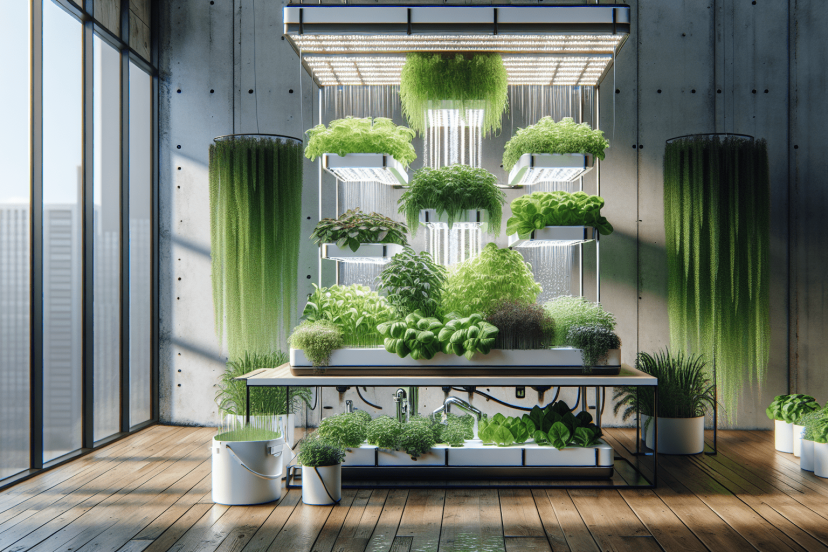
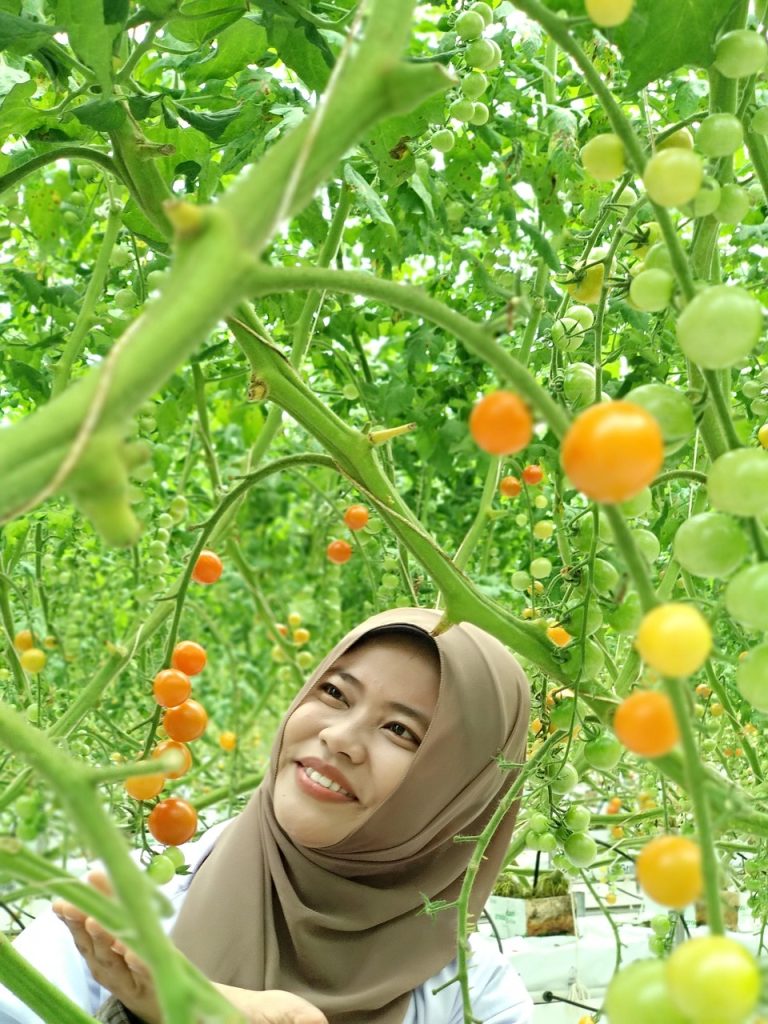
Have you ever thought about growing your own food indoors? If so, you’re not alone! Many people are discovering the joys of indoor gardening, and thanks to advancements in technology, there are now fantastic indoor gardening systems available that make this hobby both enjoyable and accessible. Find the best indoor gardening system for you below:
This image is property of pixabay.com.
The Benefits of Indoor Gardening
The immense perks of indoor gardening can improve your quality of life in various ways. Not only does it allow you to grow fresh herbs and vegetables right in your home, but it also enhances the ambiance of your living space. Imagine savoring fresh basil for your pasta or thyme to season your chicken, all grown within reach!
Freshness at Your Fingertips
When you grow your own plants, you’re guaranteed the freshest produce. No need to worry about how long that cilantro has been sitting on the grocery store shelf! You get to harvest it right before using it, ensuring maximum flavor and nutritional content.
Air Quality Improvement
Plants naturally purify the air by absorbing harmful pollutants and releasing oxygen. Having indoor plants can enhance your living space’s air quality, making it healthier for you and your family.
Stress Relief
Gardening is known to be an excellent stress reliever. Tending to your plants can have therapeutic effects, helping you to unwind after a long day. Watching your plants grow can also bring about feelings of accomplishment and joy.
A Sustainable Choice
By growing your own herbs and vegetables, you reduce your reliance on store-bought produce, which is often packaged in plastic. Indoor gardening supports sustainability and can even lower your carbon footprint.
What to Look for in an Indoor Gardening System
If you’re ready to take the plunge into indoor gardening, it’s essential to choose the right system for your needs. Here are key factors to consider:
Size and Space
Think about the space you have available in your home. Are you limited to a small windowsill, or do you have room for a larger setup? Smaller systems can be perfect for herbs, while larger setups can accommodate a full vegetable garden.
Light Source
Plants require light to grow, and having enough natural light is crucial. If your home doesn’t get sufficient sunlight, consider systems that come with built-in grow lights. These lights can help sustain your plants’ growth year-round, regardless of the season.
Ease of Use
You want a system that fits seamlessly into your lifestyle. Some systems are simple and require minimal maintenance, while others may involve more intricate setups. Make sure to choose one that matches your gardening experience and commitment level.
Hydroponics vs. Soil-Based Systems
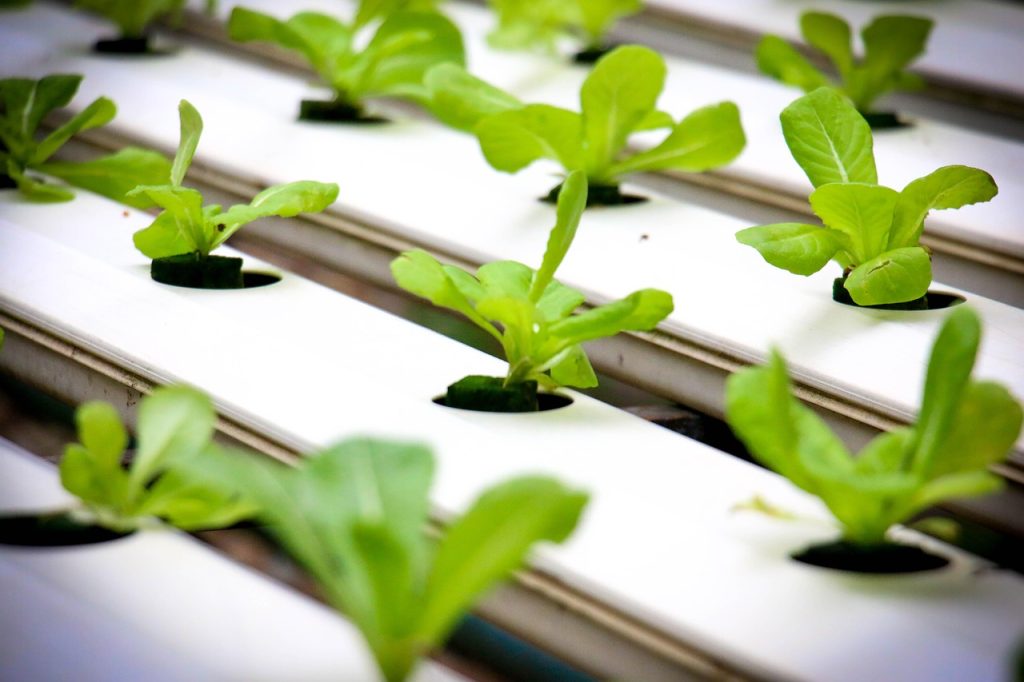
Hydroponic systems grow plants in nutrient-rich water rather than soil. This method can lead to faster growth and less mess. On the other hand, soil-based systems are traditional and can be simpler for beginners who may be uncomfortable with the technology involved in hydroponics.
Budget
Gardening systems come in a range of prices. Determine how much you are willing to spend, and remember that more expensive models may offer more features, but there are also excellent budget-friendly options that can get you started without breaking the bank.
Types of Indoor Gardening Systems
Now that you know what to look for, let’s break down the different types of indoor gardening systems available. Each system has its unique advantages and suits different needs.
Soil-Based Planters
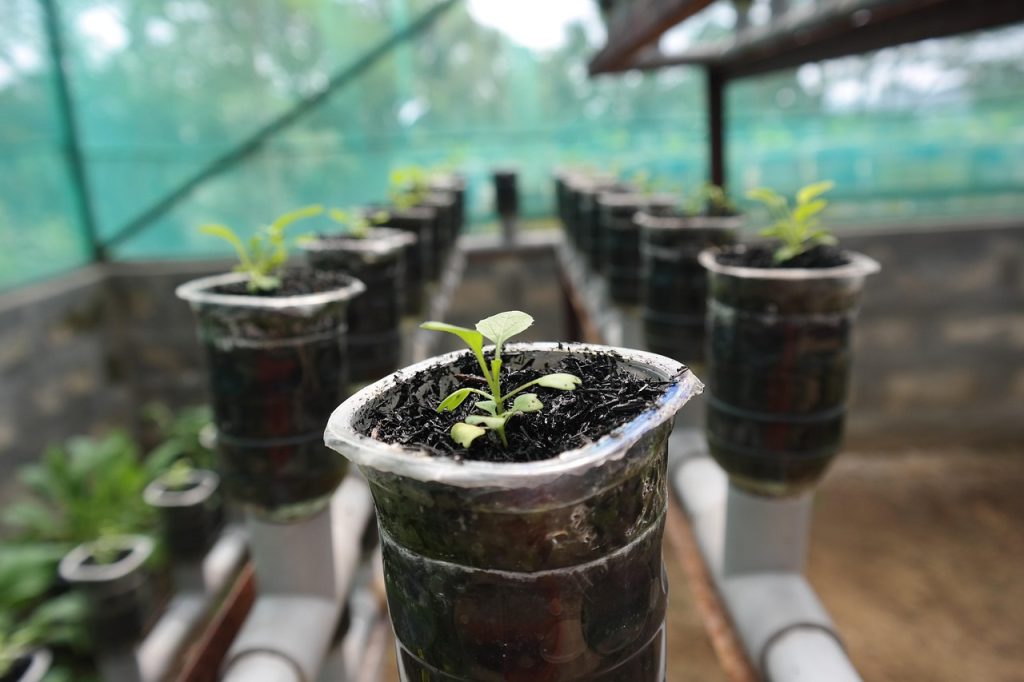
Soil-based planters are ideal for those who prefer a natural approach to gardening. They require potting soil and are easy to set up. Here are some examples:
| Feature | Cost | Maintenance | Best for |
|---|---|---|---|
| Basic Planter | Low | Low | Beginners, Herbs |
| Tiered Garden | Moderate | Moderate | Vegetables, Flowers |
| Self-Watering Pot | High | Low | Busy Individuals |
These planters can be used for various plants, from small herbs to larger flowering plants.
Hydroponic Systems
Hydroponic systems are a bit more technical, relying on nutrient-rich water instead of soil. They can be incredibly efficient and produce faster growth. Here are a few types to consider:
| Hydroponic Type | Cost | Maintenance | Best for |
|---|---|---|---|
| Deep Water Culture | Moderate | Moderate | Leafy Greens |
| Nutrient Film Technique | High | Low | Herbs, Lettuce |
| AeroGarden | Moderate | Low | Home Use, Variety |
These systems may require some learning but can be very rewarding for dedicated gardeners.
Aeroponic Systems
Aeroponic systems are a more advanced option that suspends plants in the air and sprays them with a nutrient solution. This system offers optimal oxygenation and is suited for those looking for higher-tech gardening options.
| Feature | Cost | Maintenance | Best for |
|---|---|---|---|
| High Efficiency | Very High | Moderate | Tech-Savvy Gardeners |
Aeroponic gardening can yield impressive results, though it often comes with a steeper learning curve.
Vertical Gardens
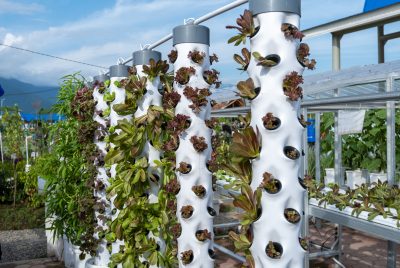
Vertical gardens are fantastic if space is at a premium. They maximize your space by growing plants upward rather than outward. Here’s a quick overview:
| Feature | Cost | Maintenance | Best for |
|---|---|---|---|
| Wall-mounted systems | Moderate | Moderate | Small Spaces, Herbs |
| Vertical Hydroponics | High | Moderate | Vegetables, Flowers |
These systems can add a beautiful aesthetic to your home while providing fresh produce.
Top Indoor Gardening Systems on the Market
After understanding what options are available, you might be wondering which specific systems stand out in the marketplace. Here are some highly recommended indoor gardening systems that offer great reliability and results.
AeroGarden Harvest
The AeroGarden Harvest is a standout hydroponic system that’s perfect for beginners and seasoned gardeners alike.
- Light Source: Full-spectrum LED grow lights
- Plant Capacity: Up to 6 plants
- Features: Comes with pre-seeded pods that are easy to use
- Cost: Moderate range
This system is compact and designed for kitchen countertops, making it convenient for herb and salad greens.
Click & Grow Smart Garden 9
The Click & Grow Smart Garden 9 is a hassle-free soil-based system ideal for those who prefer simplicity.
- Light Source: Built-in grow lights
- Plant Capacity: Up to 9 plants
- Features: Self-watering technology
- Cost: Moderate range
Great for herbs and small plants, it’s perfect for beginner gardeners who want instant results.
Bounty Elite Indoor Garden
The Bounty Elite system by AeroGarden takes indoor gardening to a whole new level.
- Light Source: Full-spectrum LED grow lights
- Plant Capacity: Up to 9 plants
- Features: Larger reservoir and features Wi-Fi connectivity for easier monitoring
- Cost: Higher price range
This system is excellent for those who want a state-of-the-art experience and more significant growing capabilities.
Smart Garden 3 by Click and Grow
For those with limited space, the Smart Garden 3 by Click & Grow is a compact solution.
- Light Source: LED grow lights
- Plant Capacity: Up to 3 plants
- Features: Self-watering technology and pre-seeded pods
- Cost: Lower price range
A perfect choice for beginners or those who want to try out indoor gardening with minimal investment.
This image is property of pixabay.com.
Best Practices for Indoor Gardening
Choosing the right system is just the beginning. To successfully nurture your indoor garden, consider the following best practices:
Watering Your Plants
Overwatering is one of the biggest issues indoor gardeners face. Make sure to check the moisture level of the soil before watering. Use self-watering pots if you tend to forget!
Fertilization
Using the right nutrients ensures your plants thrive. Choose a high-quality fertilizer and follow the recommended guidelines for your specific system and plants.
Pruning and Maintenance
Regular pruning helps your plants grow faster and healthier. Remove dead leaves and spent blooms to encourage new growth.
Pest Management
Indoor pests can still be a concern. Keep an eye out for anything unusual and consider using organic solutions if you encounter any infestations.
Troubleshooting Common Indoor Gardening Issues
You might face some challenges while indoor gardening, but don’t worry! Here are common issues and how to resolve them:
Yellowing Leaves
Yellow leaves could indicate overwatering, nutrient deficiencies, or poor lighting conditions. Assess your plant’s needs and adjust accordingly.
Stunted Growth
If your plants aren’t growing as expected, check for issues such as insufficient light or nutrients. Sometimes simply rotating your plants for better light exposure can solve the problem.
Pest Infestations
Regularly inspect your plants for any signs of pests. If you find any, organic insecticidal soaps or neem oil can help effectively eliminate them.
Root Rot
Overwatering can lead to root rot, a common problem in indoor gardening. Ensure your pots have proper drainage and let the soil dry out between watering sessions.
This image is property of pixabay.com.
Conclusion: Your Indoor Gardening Journey Awaits
As you embark on your indoor gardening adventure, remember that the journey is just as rewarding as the destination. With the right system, dedication, and knowledge, you can enjoy the multitude of benefits that come with growing your own plants.
Indoor gardening is more than just a hobby; it’s an opportunity to reconnect with nature, contribute positively to your living space, and indulge in the satisfaction of growing your fresh food. So, prepare to roll up your sleeves, get your hands dirty, and witness the magic of plants thriving right in your home!