Aeroponic System
What if I told you that you could grow plants using just air and a little nutrient solution? Sounds intriguing, right? This is where the aeroponic system comes into play. This innovative method of growing plants has gained attention due to its efficiency and effectiveness, especially when it comes to producing high yields in limited spaces.
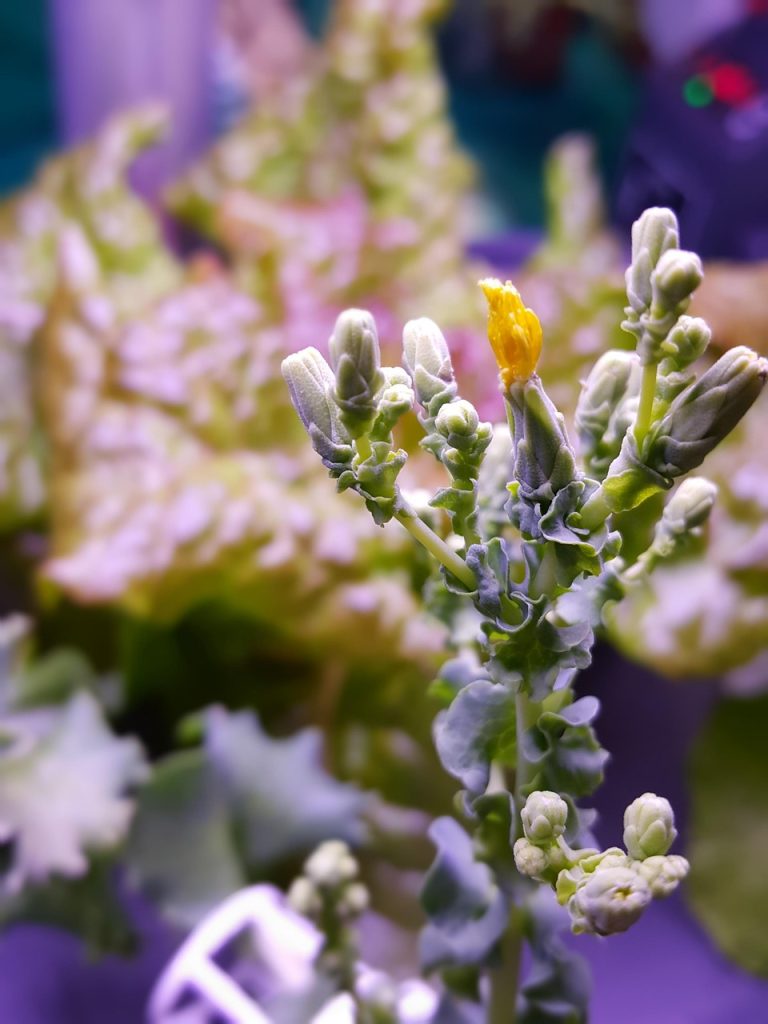
This image is property of pixabay.com.
What is an Aeroponic System?
An aeroponic system is a growing technique that allows plants to grow in an air or mist environment without the use of soil. Instead of traditional soil-based growing methods, this system relies on delivering nutrients to plant roots through a mist of water and minerals. This method enhances oxygen availability and encourages faster growth rates.
The Basics of Aeroponics
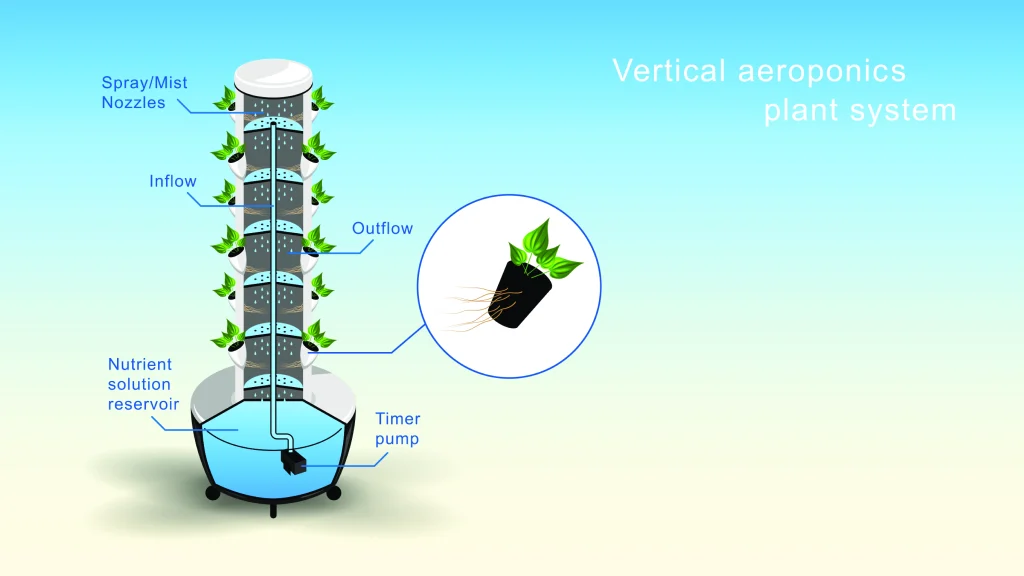
In an aeroponic setup, plants are usually suspended in an enclosed environment. Their roots dangle freely in the air while being periodically misted with a nutrient-rich solution. This setup ensures that the roots absorb oxygen as well as the necessary nutrients required for growth, leading to a healthier and thriving yield.
How Does an Aeroponic System Work?
Aeroponic systems operate under a few key principles, which make them different from traditional growing methods. Here’s how it works:
Suspension: Plants are supported in a structure that holds them in place while allowing their roots to grow downward into the air.
Misting: A pump disperses a fine mist of water mixed with nutrients directly onto the exposed roots at regular intervals. This ensures that the roots receive hydration and nourishment.
Oxygenation: With roots exposed to the air, they can access higher levels of oxygen than they would in soil, leading to faster and more robust growth.
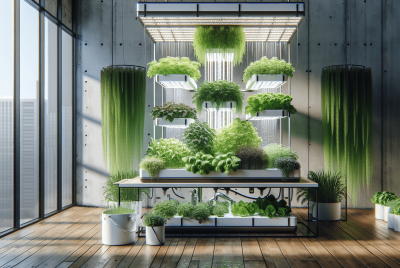
Controlled Environment: Many aeroponic systems are designed to be indoors, allowing you to control factors like temperature, humidity, and light for optimal growth conditions.
Key Components of an Aeroponic System
Understanding the primary components of an aeroponic system can help you appreciate its design and functionality. Below is a simple breakdown of essential components:
| Component | Description |
|---|---|
| Growing Chamber | The space where plants are suspended and roots are exposed to the mist. |
| Misting System | A set of nozzles or spray heads that atomize the nutrient solution for the roots. |
| Water Reservoir | Contains the nutrient solution, usually situated beneath the growing chamber. |
| Pump | Circulates the nutrient solution to the misting system at specific intervals. |
| Lighting | Provides the necessary light spectrum for photosynthesis, often using LEDs. |
Benefits of Using an Aeroponic System
The benefits of adopting an aeroponic system are numerous, making it an appealing choice for urban gardeners, commercial growers, and anyone interested in sustainable farming practices.
Faster Plant Growth
Due to the optimal exposure to nutrients and oxygen, plants grown in aeroponic systems tend to grow faster compared to those grown in soil. This means that you can harvest your crops sooner, optimizing your gardening efforts.
Space Efficiency
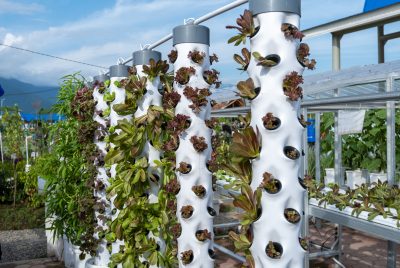
For those with limited space, an aeroponic system is incredibly space-efficient. Since plants are grown vertically and in tiers, you can cultivate a significant number of plants in a compact area.
Resource Conservation
Aeroponics uses less water compared to traditional farming. The misting system ensures minimal waste, making it a great choice for areas where water conservation is critical.
Reduced Pest and Disease Issues
Without soil, the risk of soil-borne pests and diseases is minimized. This leads to healthier plants and reduces the need for chemical pesticides, making it a more organic approach to gardening.
Year-round Growing
An aeroponic system can be set up indoors, allowing you to grow plants year-round without being dependent on seasonal changes. This versatility opens up endless possibilities for growing various crops regardless of external climate conditions.
Types of Aeroponic Systems
There are several types of aeroponic systems available, each designed to cater to different needs and preferences. Below, we’ll take a closer look at these various systems to help you decide which might be right for you.
Deep Water Aeroponics
In deep water aeroponics, the roots are submerged in a nutrient solution, but the tops of the plants are above the water surface. It can be considered a hybrid system that combines aeroponics principles with elements of hydroponics.
Pros:
- Simple to construct and maintain
- Great for beginners
Cons:
- Higher risk of root rot
- Requires careful monitoring of water levels
High-Pressure Aeroponics
This method involves spraying a nutrient solution at high pressure to create a fine mist that evenly coats the roots. This technique ensures maximum oxygen exposure and nutrient absorption.
Pros:
- Exceptional growth rates
- More efficient use of nutrients
Cons:
- Requires more complex equipment
- Higher upfront costs
Low-Pressure Aeroponics
In low-pressure systems, the nutrient solution is delivered to the roots at lower pressures, leading to larger droplets compared to high-pressure systems. These systems are typically easier to manage.
Pros:
- Lower maintenance requirements
- Potentially less expensive to set up
Cons:
- Generally slower growth rates compared to high-pressure systems
- May require more frequent misting schedules
Setting Up Your Own Aeroponic System
If you feel inspired to set up your own aeroponic system, you’re in for an exciting project! Below are the general steps you can follow to create your own setup, though remember that details can vary based on the type of system you choose.
Step 1: Choose a Suitable Space
Select a location that allows you control over light, temperature, and humidity. A garage, basement, or dedicated indoor garden can be excellent choices.
Step 2: Gather Your Materials
You will need a growing chamber, a water reservoir, a pump, misting nozzles, tubing, and possibly grow lights depending on your chosen location. You can find DIY kits or assemble components based on your preferences.
Step 3: Assemble the System
Connect the components according to your design. Ensure that the misting nozzles are evenly distributed to cover the exposed roots and that your pump is functioning effectively.
Step 4: Prepare the Nutrient Solution
Mix the appropriate nutrients with water based on the specific requirements of the plants you intend to cultivate. This mixture will be your source of nourishment for the roots.
Step 5: Plant Your Seeds or Seedlings
You can either start with seeds or small seedlings. Place them in your growing chamber, ensuring that their roots can reach the mist produced by your system.
Step 6: Monitor and Maintain
Regularly check the system to ensure everything is functioning correctly. Monitor the water level, nutrient levels, and adjust the misting intervals based on the specific needs of your plants.
Common Mistakes to Avoid
While setting up an aeroponic system can be exciting, it’s helpful to be aware of potential pitfalls to avoid. Here are some common mistakes and how to sidestep them.
Over or Under-Misting
Finding the right balance for misting intervals is crucial. Over-misting can lead to waterlogged roots, while under-misting can cause them to dry out. Pay attention to your plants’ needs and adjust accordingly.
Not Using Quality Nutrients
The type and quality of the nutrient solution used can significantly affect your plants’ growth. Take the time to research and use a nutrient solution that caters specifically to the crops you’re growing.
Inadequate Lighting
If growing indoors, ensure that your plants are receiving sufficient lighting. Invest in quality grow lights that mimic the sun’s spectrum for optimal photosynthesis.
Neglecting pH Levels
Monitoring the pH of your nutrient solution is crucial for optimal nutrient absorption. Make sure you maintain the appropriate pH level based on the specific requirements of your plants.
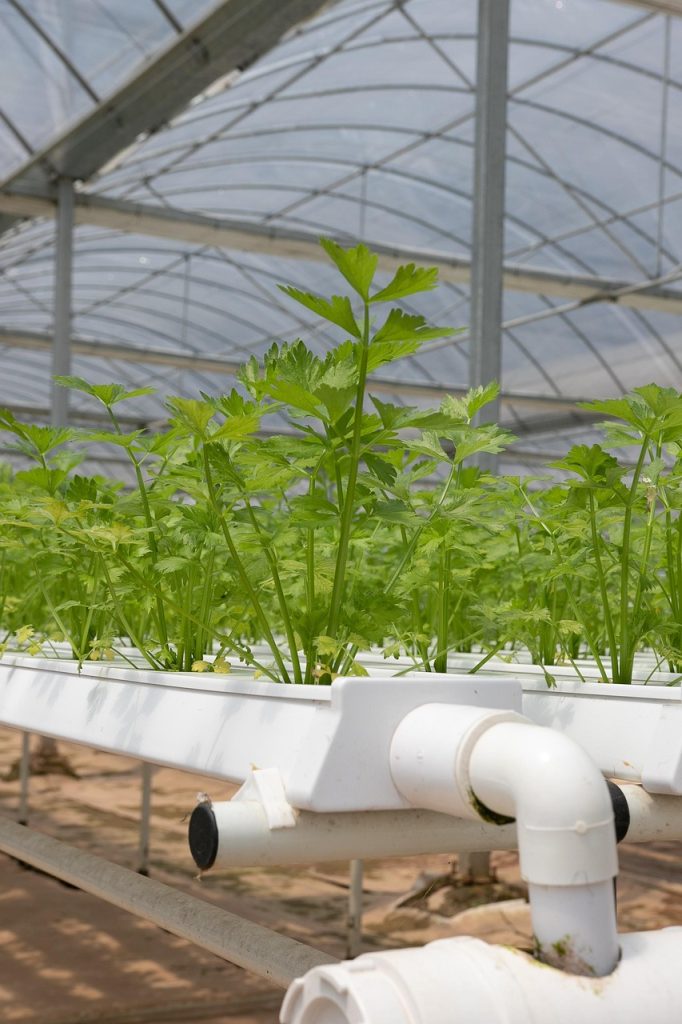
This image is property of pixabay.com.
Maintenance Tips for Aeroponic Systems
To ensure that your aeroponic system continues to operate efficiently, it’s essential to establish a maintenance routine. Here are some tips to keep in mind.
Regular Cleaning
Keep your system clean and free from debris. Rinse out and clean the water reservoir, tubing, and nozzles frequently to prevent build-up and clogs.
Monitor Nutrient Levels
Regularly check nutrient levels in the reservoir, and adjust them based on your plants’ growth stages. Keeping these balanced is key to successful plant health.
Inspect for Pests
Even though aeroponics minimizes pest issues, it’s still important to inspect your plants routinely for any signs of pests or diseases. If spotted, take immediate action.
Adjust Environmental Conditions
Pay attention to the temperature and humidity levels in your growing space. Maintaining optimal conditions will go a long way in fostering plant growth.
Troubleshooting Common Issues in Aeroponics
While aeroponic systems are generally low-maintenance, you may occasionally face issues. Here’s how to troubleshoot some common problems.
Yellowing Leaves
If you notice leaves turning yellow, this could be a sign of nutrient deficiency or excess. Check your nutrient levels, and consider adjusting the pH of the solution.
Root Rot
If plants exhibit stagnant growth and roots appear brown and mushy, they may be suffering from root rot. Ensure that misting intervals are adequate, and consider increasing oxygenation to the roots.
Wilting Plants
Wilting can indicate that your plants are not receiving enough mist or are experiencing stress from extreme conditions. Reassess your misting schedule and the environment, and make any necessary adjustments.
This image is property of pixabay.com.
Conclusion
The aeroponic system opens up an exciting world of possibilities for plant cultivation. Not only does it offer a unique approach to growing, but it also maximizes efficiency and minimizes resource waste. Whether you’re looking to grow your own food indoors or explore innovative gardening techniques, an aeroponic system is worth considering.
By understanding the principles, benefits, and critical factors involved in aeroponics, you’re now well-equipped to embark on this fruitful journey. If you ever find yourself in need of guidance or information as you set up your aeroponic system, remember that plenty of resources and communities are available to help you succeed in growing your own green oasis! Happy gardening!