Growing Plants With LED Lights

Have you ever considered how you could harness the power of LED lights to create a thriving garden right in your home? Growing plants with LED lights can be fun and quicker than traditional gardening methods.

This image is property of pixabay.com.
The Basics of Growing Plants with LED Lights
Understanding the concept of growing plants with LED lights can open up a world of possibilities for your indoor gardening adventures. LED lights provide a range of benefits that can help your plants flourish, making them an excellent choice for gardening enthusiasts like you.
What Are LED Grow Lights?
LED grow lights are specialized lighting systems designed to support plant growth. Unlike traditional bulbs, they emit specific light spectrums that plants need for photosynthesis and overall health. The flexibility and efficiency of LED lights make them a favorite among indoor gardeners.
Benefits of Using LED Lights for Plant Growth
Using LED lights for growing plants comes with numerous advantages that can enhance your gardening experience. Here are some key benefits you should consider:
Energy Efficiency: LED lights consume significantly less energy than traditional grow lights, which can lead to cost savings on your energy bills.
Low Heat Emission: LED lights produce less heat, reducing the risk of damaging your plants and making it easier to control the temperature in your growing space.
Long Lifespan: With a lifespan of 25,000 to 50,000 hours, LED lights outlast many other lighting options, so you won’t need to replace them often.
Customizable Light Spectrum: You can find LED lights that cater to the specific needs of your plants by providing different wavelengths of light, ensuring your plants receive the right type of light for their growth stages.
Easy Setup and Maintenance: Installing LED lighting is straightforward, and they require minimal maintenance compared to other grow lights.
Understanding Light Spectrum and Plant Growth
Light spectrum plays a critical role in plant growth. Different wavelengths of light influence various physiological processes, and understanding these can help you optimize your indoor gardening using LED lights.
The Role of Light in Photosynthesis
Photosynthesis is the process by which plants convert light energy into chemical energy. It primarily involves two types of pigments: chlorophyll a and chlorophyll b.
- Chlorophyll a absorbs light mostly in the blue-violet and red wavelengths, while
- Chlorophyll b absorbs light in the blue spectrum.
By providing the proper light spectrum with LED grow lights, you can enhance the photosynthetic process, leading to healthier and faster-growing plants.
Photosynthesis Light Phases
For effective photosynthesis, light can be broken down into two phases:
Light-dependent Reactions: This phase occurs in the thylakoid membranes of chloroplasts and uses light energy to produce ATP and NADPH.
Light-independent Reactions (Calvin Cycle): This phase doesn’t require light directly and uses ATP and NADPH to convert carbon dioxide into glucose.
By ensuring your plants receive light that supports both phases, you can boost their growth and productivity.
Choosing the Right LED Lights for Your Plants
Understanding the different types of LED grow lights can help you make informed decisions for your indoor gardening setup. Each type has its unique features and applications.
Full-Spectrum LED Lights
Full-spectrum LED lights mimic natural sunlight, providing a broad range of wavelengths. This makes them suitable for all growth stages, from seedling to flowering. They are ideal if you want a versatile option for various types of plants.
Red and Blue LED Lights
Some growers opt for red and blue combinations since they directly support chlorophyll absorption.
- Red light (around 660 nm) is crucial for flowering and fruiting.
- Blue light (around 450 nm) promotes vegetative growth.
Many LED systems allow you to adjust the ratio of red to blue light, enabling you to cater to the specific needs of your plants during different growth stages.
Commercial vs. DIY LED Lights
You can choose between purchasing commercial LED grow lights or creating your own DIY setup. While commercial lights offer convenience and efficiency, a DIY setup can save money and give you more control over your lighting design.
If you’re handy with tools, you might enjoy the process of creating a custom lighting system tailored to your plants’ needs.
Setting Up Your LED Grow Light System
Setting up your own LED grow light system isn’t overly complicated, but certain considerations will ensure you create the best environment possible for your plants.
Choosing The Right Location When Growing Plants With LED Lights
The location is essential for the effectiveness of your grow lights. Consider factors such as:
- Space: Ensure you have enough room for your plants and lights.
- Accessibility: Position your lights so you can conveniently reach your plants for watering and maintenance.
- Reflective Surfaces: Using reflective materials (like Mylar) on the walls can enhance light distribution.
Determining Light Height when Growing Plants With LED Lights
The distance between LED lights and your plants is crucial. Knowing how far to hang them can prevent light burn and promote healthy growth.
- For seedlings or young plants, maintain a distance of 24–36 inches.
- As plants grow, gradually lower your lights to about 12–24 inches.
Adjusting the height based on plant growth will help you get the best results.
Duration of Light Exposure
The duration of light exposure varies between plants and their growth stages:
- Seedlings: Typically need 14-16 hours of light per day.
- Vegetative stage: A duration of 16-18 hours is generally optimal.
- Flowering stage: Reducing light to 12 hours can encourage blooming.
Understanding your plants’ needs will help you tailor the light schedule to promote healthy growth cycles.
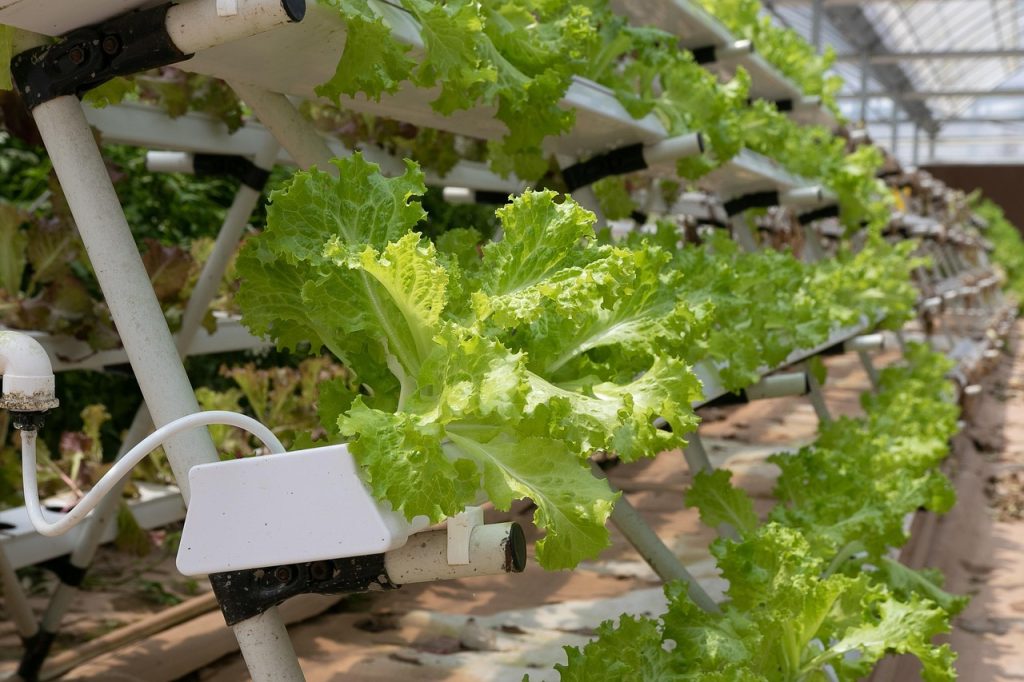
This image is property of pixabay.com.
Caring for Your Plants When Growing Plants With LED Lights
Using LED grow lights requires some adjustments to your plant care routine but can yield impressive results. Here are some tips to help you care for your plants effectively.
Watering Your Plants
Plants often require different watering schedules based on their environment. LED lights can affect soil moisture levels due to their low heat output.
Check Soil Moisture: Use your finger or a moisture meter to determine when your plants need watering. Ideally, the top inch of soil should feel dry before your next watering.
Water Consistently: Establish a routine that matches the lighting cycle. Ensure your plants receive adequate water to help them absorb nutrients effectively.
Nutrient Management When Growing Plants with LED Lights
Plants grown using LED lights may require different nutrient levels. With LED lighting, the plants tend to grow faster, potentially leading to a higher demand for nutrients.
- Balanced Fertilizers: Use a balanced fertilizer that contains micro and macronutrients.
- Regular Analysis: Regularly analyze the health of your plants to determine if they need additional feeding.
Maintaining optimal nutrient levels will help keep your plants robust and healthy.
Pruning and Training Techniques
Employing pruning and training techniques can maximize the potential of your plants.
Pruning: Remove dead or yellowing leaves to improve air circulation and redirect energy to healthier parts of the plant.
Training: Use techniques such as Low-Stress Training (LST) or topping to encourage bushier growth and ensure even light distribution.
These practices can lead to increased yields and stronger plants.
Troubleshooting Common Issues with LED Grow Lights
While LED lights offer many benefits, you may encounter some challenges during your indoor gardening journey. Here are common issues and solutions to consider:
Light Burn When Growing Plants with LED Lights
Light burn occurs when plants receive too much light, leading to discoloration or drooping leaves.
- Solution: Adjust the height of your lights or decrease exposure time to mitigate this issue.
Insufficient Light
If your plants exhibit leggy growth or small leaves, they might not be receiving enough light.
- Solution: Increase the light duration or consider upgrading to a higher wattage LED grow light.
Pest Infestations
Using grow lights can sometimes attract pests, as warm, bright environments may lure unwanted visitors.
- Solution: Regularly inspect your plants and use organic pesticides or pest repellants if necessary.
Nutrient Deficiencies
Keep an eye out for any signs of nutrient deficiencies, such as yellowing or stunted growth.
- Solution: Adjust your feeding regimen to provide the necessary nutrients your plants lack.
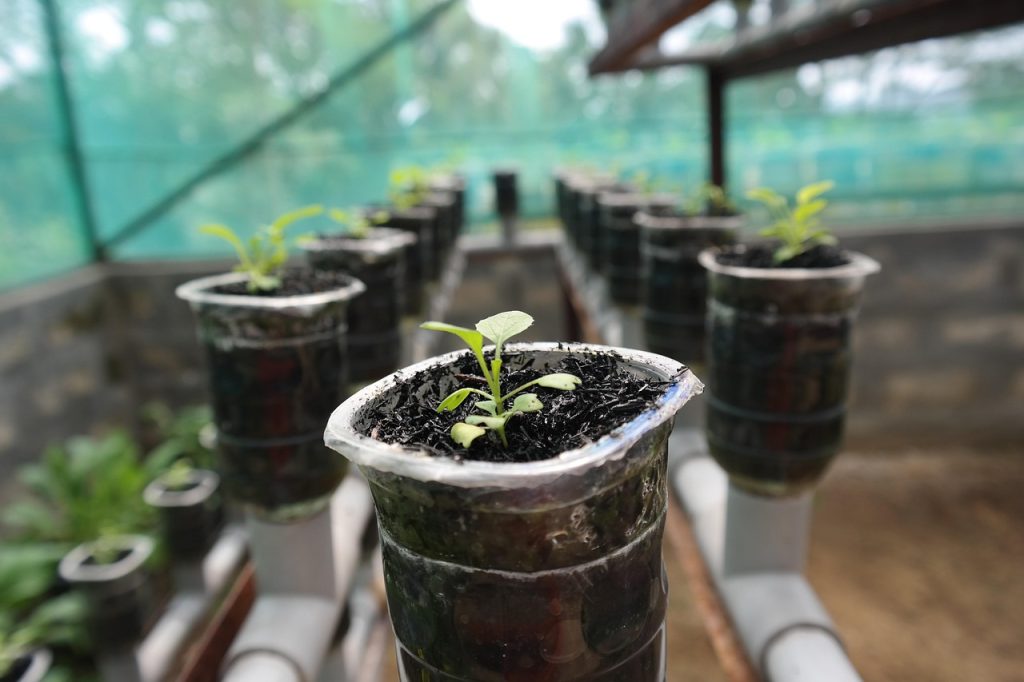
This image is property of pixabay.com.
Conclusion: Your Indoor Garden Awaits
Envisioning a lush indoor garden illuminated by LED grow lights can be exciting and fulfilling. With the right knowledge and techniques, you can create an environment where your plants thrive, providing both beauty and possibly even harvests of fresh produce.
As you embark on your journey of growing plants with LED lights, remember to enjoy the process. Each plant has its own unique needs, and part of the fun is figuring out how to best meet those needs within your home environment. Happy gardening!