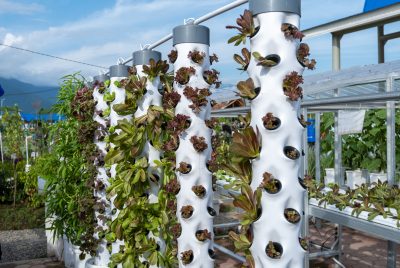
The Future of Hydroponic Farming

Have you ever wondered how hydroponic farming might change the way we grow food in the future? With the world facing challenges like climate change, urbanization, and population growth, it’s essential to look at innovative solutions that can ensure food security for everyone. Hydroponic farming, which uses nutrient-rich water instead of soil, has gained popularity as a sustainable method of agriculture. Let’s discuss what the future holds for this fascinating farming technique.
Understanding Hydroponic Farming
At its core, hydroponic farming is a method of growing plants without soil. Instead, it utilizes various growing mediums, such as perlite, coconut coir, or rock wool, combined with nutrient-rich water to provide plants with everything they need to thrive. This technique allows for faster growth, higher yields, and the ability to grow crops in locations that may not have the best soil conditions.
The Benefits of Hydroponic Farming
Hydroponic farming offers several advantages over traditional farming methods. Here are some key benefits you should consider:
Water Efficiency: Hydroponics uses up to 90% less water than traditional farming. The closed-loop systems recirculate water, minimizing waste and evaporation.
Space Optimization: You can grow more food in smaller spaces. Vertical farming techniques associated with hydroponics allow for crops to be stacked in layers, making it ideal for urban environments.
Soil Independence: Without the need for soil, you can avoid soil-borne pests and diseases, which can improve crop health and reduce the use of pesticides.
Year-Round Production: Hydroponic systems can be set up indoors or in greenhouses, allowing for year-round farming regardless of external weather conditions.
Faster Growth Rates: Plants grown hydroponically often grow faster since they have constant access to nutrients, light, and water.
Hydroponic Farming Systems
There are several systems within hydroponic farming, each having its methods and techniques. Understanding these can help you choose the best approach for your needs.
Nutrient Film Technique (NFT)
This system involves a thin film of nutrient-rich water flowing over the roots of plants housed in a sloped channel. The film provides constant access to nutrients while allowing oxygen to reach the roots. NFT is efficient but requires careful monitoring to prevent the plants from drying out.
Deep Water Culture (DWC)
In this system, plants are suspended in a nutrient solution, with their roots submerged in the water. An air pump provides oxygen to the roots, ensuring they have both nutrients and air. DWC systems are relatively easy to maintain and often yield faster growth.
Ebb and Flow (Flood and Drain)
This method periodically floods the plant roots with nutrient solution and then drains it back into a reservoir. This allows for a good balance of moisture and oxygen. It’s considered a versatile system suitable for different types of plants.
Aeroponics
In an aeroponic system, plant roots hang in the air and are misted with a nutrient solution. This highly efficient method allows for maximum oxygen exposure and faster growth rates.
The Role of Technology
The future of hydroponic farming is closely linked to technological advancements. Here are some ways technology is shaping this innovative agricultural practice:
Automation and Smart Farming
You can now utilize automated systems to monitor and control various parameters in hydroponics, such as pH levels, nutrient concentration, and temperature. Smart farming technologies enable farmers to maintain optimal growing conditions with minimal human intervention.
Sensors and IoT
The Internet of Things (IoT) allows for real-time monitoring of hydroponic systems through sensors. These sensors can provide data on moisture levels, nutrient concentration, and environmental conditions. This information can help you make informed decisions to optimize plant growth.
LED Lighting
Using LED lights in hydroponics allows for better control of light spectra, which can enhance photosynthesis. With energy-efficient LEDs, you can create the ideal lighting conditions for plants, regardless of the time of year or external sunlight availability.
Application of AI
Artificial intelligence can play a crucial role in analyzing data from hydroponic systems. By using AI algorithms, you can identify patterns and make predictions about crop growth and yield, which can lead to more efficient farming practices.
The Environmental Impact of Hydroponic Farming
Hydroponic farming presents a unique opportunity to improve food production while reducing environmental impact. Here’s how it contributes positively to the environment:
Reduced Land Usage
As populations grow, so does the need for arable land. Hydroponics allows for efficient use of space, meaning less deforestation and habitat destruction for agricultural purposes. You can grow large amounts of food in urban settings, reducing the need to convert natural land into farmland.
Less Chemical Runoff
Traditional agriculture often relies on harmful pesticides and fertilizers that can run off into nearby water sources. Hydroponic farming minimizes chemical use and promotes a cleaner environment. Using controlled systems can significantly reduce the risk of contamination.
Decreased Carbon Footprint
Transportation is one of the significant contributors to the carbon footprint in food production. Growing food locally using hydroponics can reduce the distance it travels to reach consumers. This local production model not only lowers emissions but also provides fresher produce.
Overcoming Challenges
While hydroponic farming holds exceptional promise, it’s not without its challenges. Understanding these obstacles can help you approach hydroponic farming more effectively.
Initial Setup Costs
Setting up a hydroponic system can require a substantial upfront investment in equipment and technology. However, over time, the cost can be offset by reduced spending on water and soil amendments, as well as increased crop yields.
Knowledge and Expertise
Hydroponic farming is different from traditional farming, and it requires specific knowledge to succeed. You may need to invest time in learning about plant care, nutrient management, and technological tools to manage a hydroponic setup effectively.
System Maintenance
Maintaining a hydroponic system requires regular monitoring and adjustments to nutrient levels, pH, and environmental conditions. This ongoing maintenance can be time-consuming but is essential for optimal plant health and productivity.
The Future of Hydroponic Farming
As technology continues to advance, the future of hydroponic farming looks bright. Here are several trends you can expect in the coming years.
Increased Adoption by Urban Areas
With the rapid growth of urban populations, cities are turning to hydroponic farming as a solution for food production. You can expect to see more rooftop gardens and vertical farms popping up in urban settings, making fresh produce readily available close to home.
Integration into Education
Schools and universities are beginning to incorporate hydroponics into their curricula to teach students about sustainable agriculture. You may find these educational programs emphasizing the importance of innovation in solving food security issues.
Community-Based Hydroponic Initiatives
Community support for local food systems is growing. You might see initiatives that promote hydroponic farming at the community level, allowing groups to come together to produce food sustainably and share resources.
Global Growth of Hydroponic Markets
As demand for food increases, so does the market for hydroponic technology and supplies. You can expect to see more companies emerging to support the hydroponic industry, offering innovative products and solutions for growers.
Conclusion
The future of hydroponic farming is rife with opportunities. With its numerous benefits, including efficiency, sustainability, and adaptability, this method of agriculture holds a promising place in addressing food security challenges in an ever-evolving world.
As you consider the potential of hydroponic farming, reflect on the ways you can get involved, whether through personal cultivation, supporting local initiatives, or advocating for technological advancements. Embracing hydroponics is more than just a farming technique; it’s a step toward a more sustainable and resilient food future. With continued innovation and community support, hydroponic farming could become a cornerstone of food production, ensuring that everyone has access to fresh, nutritious food. Keep an eye on this dynamic field, as it’s likely to reshape how we think about farming and food in the years to come.